包覆成型

High-quality custom overmolding solutions for prototypes and on-demand production parts. From multi-material components to enhanced product functionality, TOUWEI delivers precise overmolding services with rapid tooling.

best overmolding services-Tuowei Precision
What is Overmolding?

Overmolding is a specialized injection molding technique that combines two or more thermoplastic materials into a single, integrated component. The process begins with molding the first material, known as the substrate, which forms the base structure. A secondary material, called the overmold, is then injected over or around the substrate, creating a strong mechanical and chemical bond as the materials cool.

This advanced method not only improves durability and functionality but also enhances the appearance and ergonomics of products. We specialize in delivering custom overmolding solutions that elevate both product performance and aesthetics. Reach out to TUOWEI Precision today for a custom quote and discover how our overmolding expertise can bring your designs to life.

TUOWEI Precision’s Custom Overmolding

Looking for durable, custom overmolded parts? TUOWEI Precision is your trusted partner for high-quality overmolding solutions, supporting both prototype and mass production needs.

Overmolding allows multiple materials to be seamlessly combined into one functional part. Typically, a thermoplastic elastomer (TPE/TPV) is bonded onto a rigid plastic substrate, creating a component that is strong, ergonomic, and visually appealing. Everyday examples include toothbrush handles or electronic housings with both rigid and soft-touch elements.

Overmolding Process

Plastic Over Plastic

Plastic over plastic overmolding creates strong, precise parts by bonding two thermoplastics into a single structure. This technique is widely used for mass production where consistency, durability, and design flexibility are essential for reliable performance.

Rubber Over Plastic

Rubber over plastic overmolding improves both comfort and functionality by adding soft, flexible layers to rigid substrates. It enhances grip, aesthetics, and overall usability, making it ideal for consumer goods and ergonomic designs.

Plastic Over Metal

Plastic over metal, also called insert molding, integrates metal inserts into plastic during the molding cycle. This process eliminates secondary assembly while providing parts with enhanced durability and embedded functional features.

Rubber Over Metal

Rubber over metal molding creates durable, vibration-resistant parts by permanently bonding elastomers to rigid metal substrates. This process ensures strong adhesion, improved shock absorption, and long-lasting performance.

Our Overmolding Capabilities

TUOWEI Precision provides advanced custom overmolding solutions that merge multiple materials into one seamless part. Our process enhances both appearance and performance, ensuring durable, high-quality plastic components.

Overmolding Service Tolerance
Standard Overmolding ±0.005" (±0.127 mm)
Precision Overmolding ±0.002" (±0.051 mm)
Overmolding with Metal Inserts ±0.005" (±0.127 mm)
Overmolding for Complex Parts ±0.003" (±0.076 mm)

Surface Finishes for Overmolding

Overmolding surface finishing techniques used to improve the performance and appearance of overmolded components:

Texturing

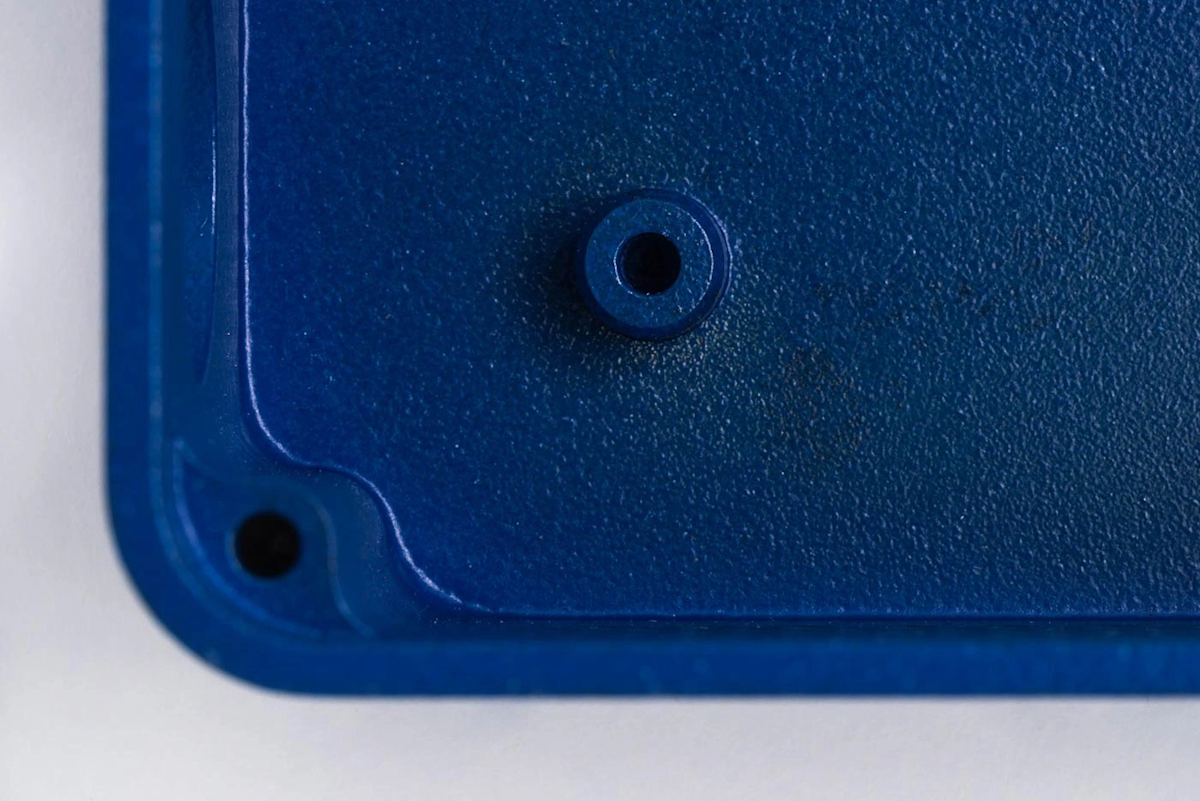
Texturing is commonly applied to the outer surface of overmolded parts to improve grip, aesthetics, and overall functionality.

Polishing

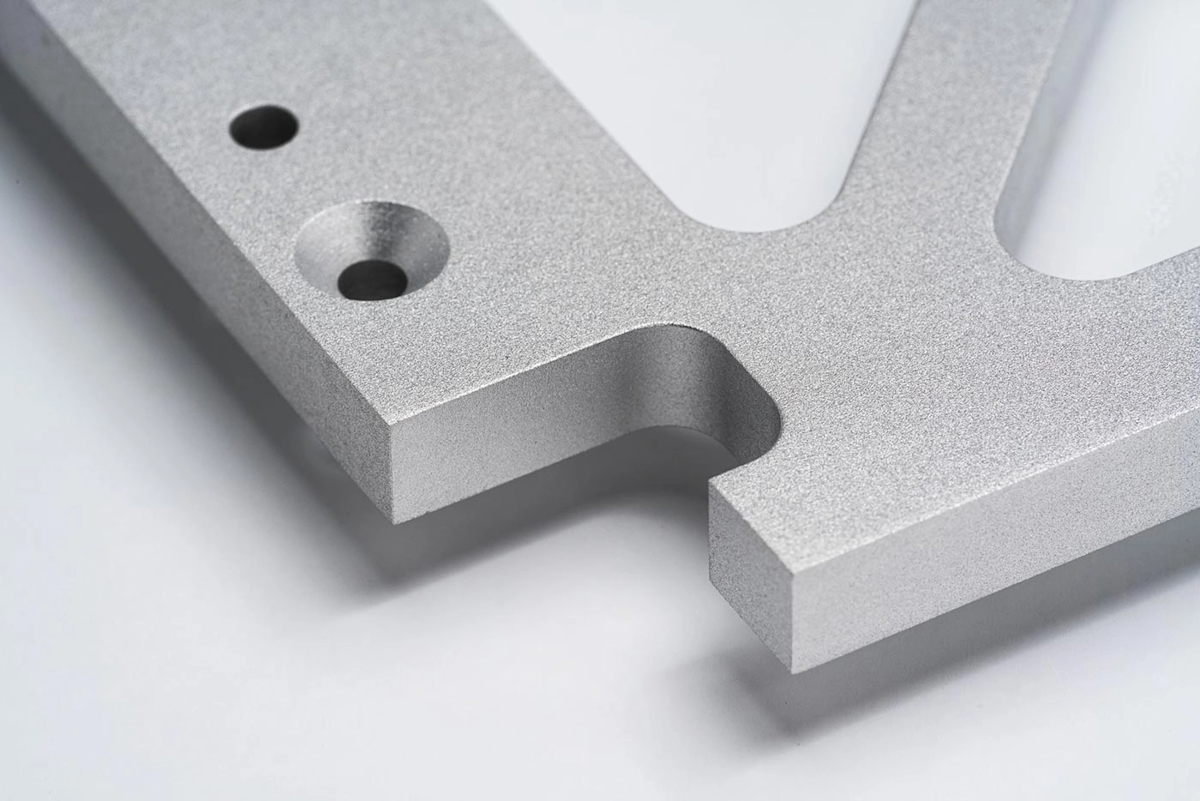
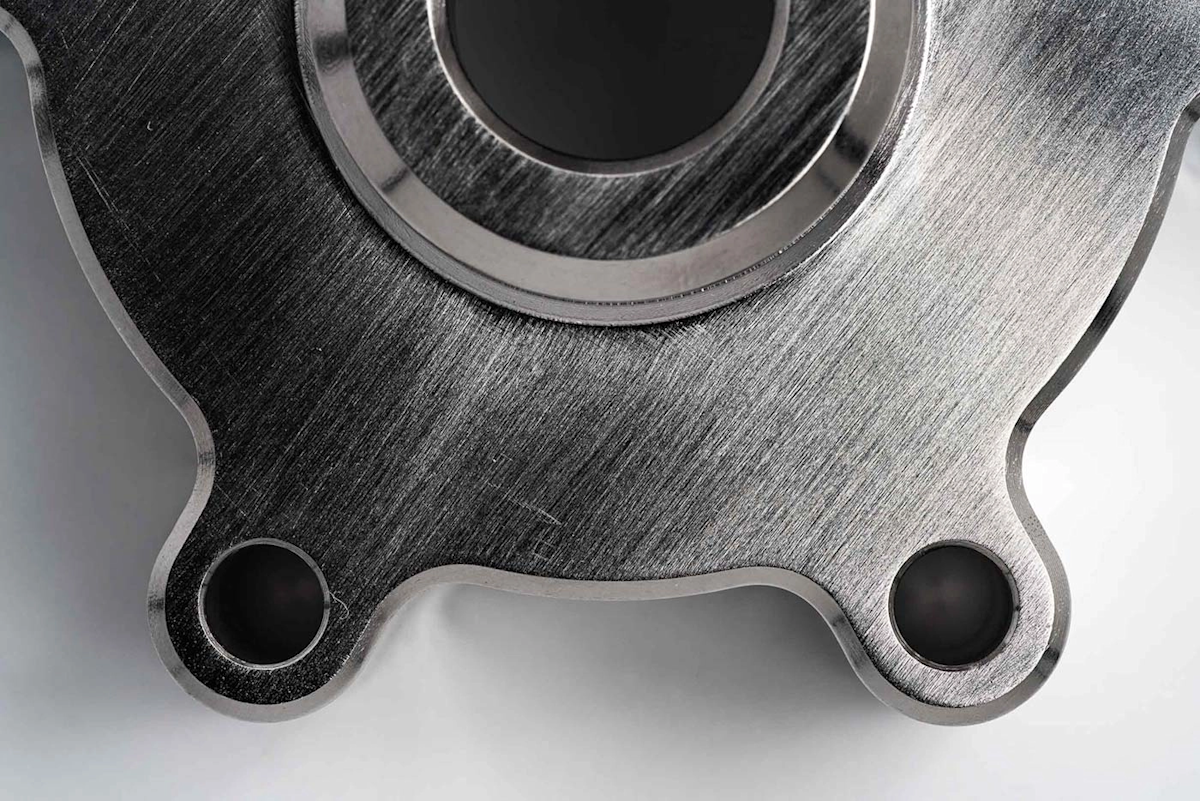
Polishing provides a smooth finish on the outer surface of overmolded parts, ideal for high-end consumer products where aesthetics matter.

Bead Blasting

Bead blasting is effective for achieving a uniform matte finish that hides imperfections and gives overmolded parts a premium feel.

Laser Engraving

Laser engraving allows for precise detailing or branding on the surface of overmolded parts, ensuring durability and high-quality designs.

Plasma Treatment

Plasma treatment is used to enhance the adhesion of the overmold material to the substrate, ensuring a strong bond and a smooth surface.

Electroplating

Electroplating adds an additional layer of protection to the surface, improving both the aesthetic appearance and the resistance to corrosion.

Materials for OverMolding

Engineers and leading manufacturers trust TUOWEI  for fast iterations and durable, high-performance parts. Whether for prototyping or full-scale production, our extensive material selection ensures precision, strength, and reliability for any CNC machining project.

ABS

Polycarbonate

Nylon, Acrylic, PVC

Polypropylene

PETG

POM (Acetal)

Polyamide (Nylon)

TPE

Silicone

EPDM

Buna-N

Neoprene

TPE

Urethane

Epoxy


TPE (Thermoplastic Elastomer)

SiliconeRubber

TPE (Thermoplastic Elastomer)

EPDM

Nitrile

With Tuowei Precision’s CNC milling service, you’re not just investing in advanced machinery. You’re gaining the assurance of flawless precision, commitment to strict timelines, and the expertise of skilled professionals dedicated to meeting your needs.

Choose Us

Why
/01

High Quality Parts

Tuowei Precision’s ISO-certified CNC machining guarantees exceptional accuracy and quality. Every part is crafted for perfect fit and flawless performance, with rigorous quality control at each stage.

/02
Fast Turnaround

Stay on schedule with Tuowei Precision. Our state-of-the-art equipment and local workshops deliver rapid production to meet your tight deadlines.

/03
Expert Engineering Support

Rely on our team for comprehensive CNC machining support. Our experts are available to optimize design efficiency and ensure top-quality results at every step.

Advantages

Advantages of Overmolding

Overmolding is a powerful manufacturing method that combines multiple materials into a single part, boosting strength, performance, and design flexibility. By eliminating secondary assembly, it not only reduces costs but also enhances aesthetics, comfort, and product lifespan.

Applications

Applications of Overmolding

Overmolding’s versatility makes it ideal for industries that demand precision, durability, and advanced product functionality. From medical devices to household goods, it delivers custom solutions that merge performance with usability.

让我们共创未来

与杜维合作,塑造您的愿景

从详细的原型到大批量生产,TUOWEI 是您值得信赖的精密 CNC 加工合作伙伴。今天就联系我们,迈出简化、高质量制造解决方案的第一步。.

与我们联系!
保证在 12 小时内迅速回复
🔐 所有上传内容均安全保密

The Overmolding Process at TUOWEI Precision

TUOWEI PRECISION follows a refined overmolding workflow that ensures every part meets the highest standards of precision, durability, and aesthetics. Our process is a combination of technical expertise, material science, and advanced tooling.

Substrate Design & Engineering

We begin by designing and engineering the core substrate with exacting specifications. Our engineering team considers dimensional accuracy, bonding requirements, and mechanical performance to ensure the substrate is an ideal foundation for the overmold layer.

Precision Substrate Molding

Using advanced injection molding machines, we produce the rigid substrate often from materials such as ABS, PC, or metal inserts. Every piece is checked against tolerance benchmarks to guarantee a perfect fit for the overmolding stage.

Surface Preparation & Treatment

Before applying the overmold, we prepare the substrate’s surface to maximize adhesion. This may involve cleaning, texturing, or plasma treatment, ensuring the secondary material bonds securely and resists peeling or cracking over time.

Secondary Material Injection

The prepared substrate is placed into a specialized mold where a softer material such as TPE, TPU, or silicone is precisely injected over or around it. Our temperature and pressure controls ensure consistent bonding, dimensional stability, and defect-free finishes.

Quality Inspection & Finishing

Once molded, each part undergoes a rigorous inspection process. We check for bonding strength, dimensional accuracy, and visual quality. Any necessary finishing, such as trimming or polishing, is completed before parts are packaged for delivery.

What Challenges Occur in Overmolding And How to Overcome Them?

While overmolding offers significant advantages, it comes with unique manufacturing challenges. Addressing these issues early can reduce waste, improve cycle times, and ensure consistent product quality.

Material Compatibility

Challenge: Not all materials bond well. If the substrate and overmold material are incompatible, the layers may peel, crack, or fail under stress.
Solution: Select materials with proven adhesion properties. For example, pairing polycarbonate (PC) substrates with TPE overmolds has a high success rate. Conduct adhesion tests before mass production investing in compatibility testing can save up to 20% in rework costs.

Dimensional Accuracy and Shrinkage

Challenge: Differences in thermal expansion between materials can cause warping or dimensional inconsistencies.
Solution: Adjust mold design to compensate for material shrinkage rates. Using precise temperature control during the second molding stage can reduce deformation by up to 30%.

Flash and Parting Line Defects

Challenge: Overmolding sometimes causes excess material (flash) at parting lines, leading to poor aesthetics and additional finishing costs.
Solution: Ensure high-precision tooling and optimal clamping force. Regular mold maintenance and inspection can cut defect rates by half.

Cycle Time and Production Efficiency

Challenge: Overmolding is naturally more time-intensive than single-material molding.
Solution: Use automated part handling between molding stages and optimize cooling times. Some manufacturers see a 15–25% cycle time improvement with robotics integration.

Bonding Failures Under Stress

Challenge: In applications like automotive seals or medical grips, repeated stress may cause delamination.
Solution: Incorporate mechanical interlocks into the substrate design. Even if chemical bonding weakens over time, the physical interlock maintains structural integrity.

Tuowei Proto 的解决方案

无论您是创建小批量定制零件,还是扩大规模进行大批量生产,拓威 Proto 服务都能为您提供所需的灵活性。.

快速原型制作

数控快速原型加工是创建工程或生产原型的完美选择,这些原型在外观和功能上都与最终产品非常相似。在拓维,我们提供即时报价和快速交付,为您提供精确、高质量的 CNC 加工原型,以满足您的需求。.

小批量生产

小批量数控加工通常是新兴产品从原型设计到批量生产之间的桥梁。有了拓威,这一过程变得更加简单、高效和经济,使您能够在保持高质量标准的同时迅速扩大生产规模。.

最终用途 生产

数控生产加工是高效生产千件或更多零件的最佳解决方案。拓威利用多样化的材料选择、自动化和多轴加工能力,实现了大批量生产,具有公差小、尺寸精度高、可靠性高和周转时间短等特点。.

探索洞察与创新

了解拓威团队的专业技巧、行业趋势和精密制造见解,保持领先地位。阅读我们的最新博客,获取有价值的知识,了解我们如何塑造数控生产的未来。.

常见问题

外包装

  • 什么是包覆成型工艺?

    包覆成型是一种先进的注塑成型技术,它将两种或两种以上的材料组合在一起,形成单一的集成产品。该工艺首先要模塑塑料或金属等刚性基材,形成产品的核心。然后在基材上模塑第二种材料,通常是柔性热塑性弹性体(TPE)。这种外层材料可提高抓握力、舒适度和美观度,同时增加耐用性、柔软度或色彩变化等功能特性。包覆成型广泛应用于汽车、医疗和消费电子等行业,可提高性能、简化装配并实现创新的产品设计。. 

  • 包覆成型和嵌入成型有什么区别?

    包覆成型和嵌件成型都是专业技术,但用途不同。包覆成型是在现有成型部件上添加第二层材料,通常是为了提高抓握力、外观或耐用性。而嵌入成型则是在注入塑料之前,将金属嵌入件等预成型部件整合到模具中,从而在材料之间形成牢固的粘合。包覆成型最适用于符合人体工程学的产品,如手柄和把手,而嵌入成型通常用于结构性应用,如汽车零件,在这些应用中,强度和功能性至关重要。.

  • 包覆成型的设计注意事项有哪些?

    设计对包覆成型的成功起着至关重要的作用。主材料和辅材料必须在粘合性、柔韧性和热性能方面相容,以确保持久粘合。产品的几何形状应包括下切、肋或凹槽等特征,以增强机械互锁并降低剥离风险。模具设计必须进行优化,以保证适当的材料流动,并仔细注意浇口和排气。最后,公差应考虑到冷却过程中的收缩和热膨胀,以保持尺寸精度并满足规格要求。. 

  • 三元乙丙橡胶可用于包覆成型吗?

    是的,三元乙丙橡胶非常适合与热塑性塑料进行包覆成型。其柔韧性、出色的耐候性和承受极端温度的能力使其成为户外和汽车应用的理想材料。为确保较强的粘合力,三元乙丙橡胶表面可能需要在成型前进行清洁或表面处理。加工过程中对温度和压力的适当控制也至关重要。如果操作得当,三元乙丙橡胶包覆成型可生产出耐用、可靠的部件,能够在苛刻的环境中正常工作。. 

与我们联系!
保证在 12 小时内迅速回复
🔐 所有上传内容均安全保密