Expert sheet metal bending solutions for high-quality prototypes and production components. From simple bends to complex formed parts, TOUWEI delivers precise sheet metal bending with rapid DFM review and exceptional turnaround times.
Metal bending is a core fabrication process that reshapes sheet metal into precise angles or curves by applying mechanical force. This technique is vital for producing strong, accurate, and functional components used across a wide range of industries.
At TUOWEI Precision, we specialize in high-quality sheet metal bending services designed to meet both simple and complex project requirements. Our advanced electric and hydraulic press brakes deliver superior accuracy, ensuring consistent results even for parts with tight tolerances.
Beyond bending, we provide comprehensive post-processing solutions, ensuring your components are not only precisely formed but also ready for immediate use, whether in prototypes or end-use products.
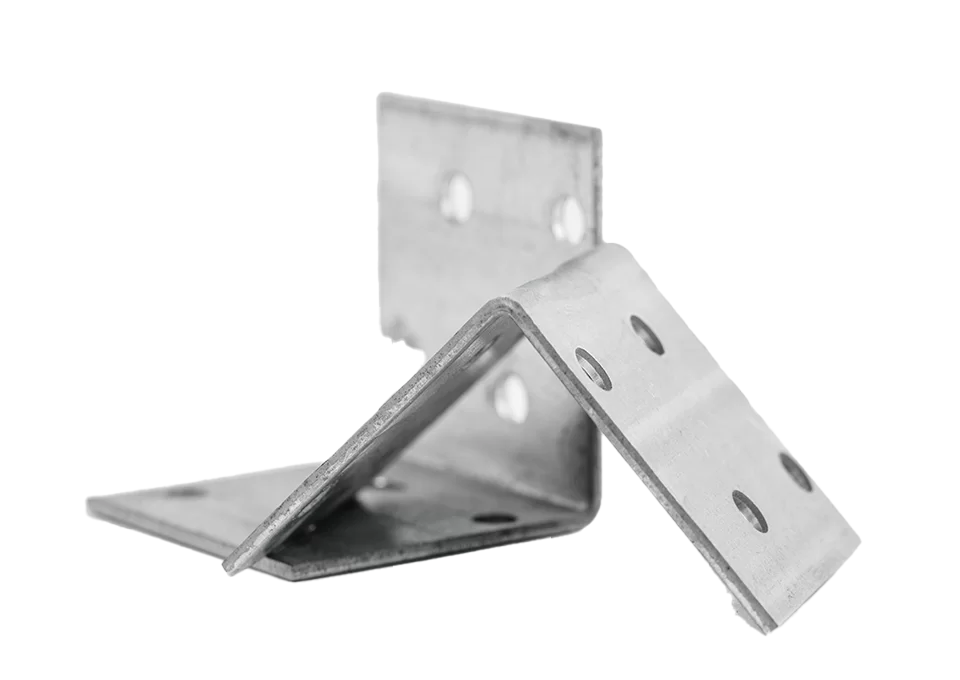
Metal bending is a fundamental fabrication technique used to reshape sheet metal into a desired angle or form by applying force through a press brake or similar equipment. This process enables the creation of V-shapes, U-shapes, channels, and other precise geometries along a straight line in the material.
The bending operation involves placing sheet metal between a punch and die set. As the punch presses the metal into the die, the material conforms to the die’s shape. Critical factors such as bend angle, bend radius, and applied force determine the final geometry, while the material’s thickness and ductility influence the bending conditions. Importantly, bending alters the form of the sheet without significantly changing its thickness.
We utilize both manual setups and advanced CNC (Computer Numerical Control) systems. CNC bending technology ensures superior accuracy, repeatability, and the ability to create complex bends with minimal variation—ideal for both prototypes and high-volume production runs.
Tuowei provides precision metal bending services that combine advanced machinery and strict quality standards to handle a wide range of materials and part sizes. Our capabilities ensure accuracy, consistency, and efficiency for both prototypes and large-scale production.
| Features | Description |
|---|---|
| Maximum Part Size | 1.5 m × 1.5 m |
| Metal Bending Forces | Up to 1000 tons |
| Bending Line Length | Up to 7200 mm |
| Bending Thickness | Up to 60 mm |
| General Tolerances | Based on ISO 2768. Bend to edge/hole, single surface: ±0.254 mm (±0.010 in.) |
| Bend Radius | Equal to material thickness |
| Bend Angle | ±1° |
| Bend Cutting Area | Up to 4000 mm |
| Lead Time | 5 days or more |
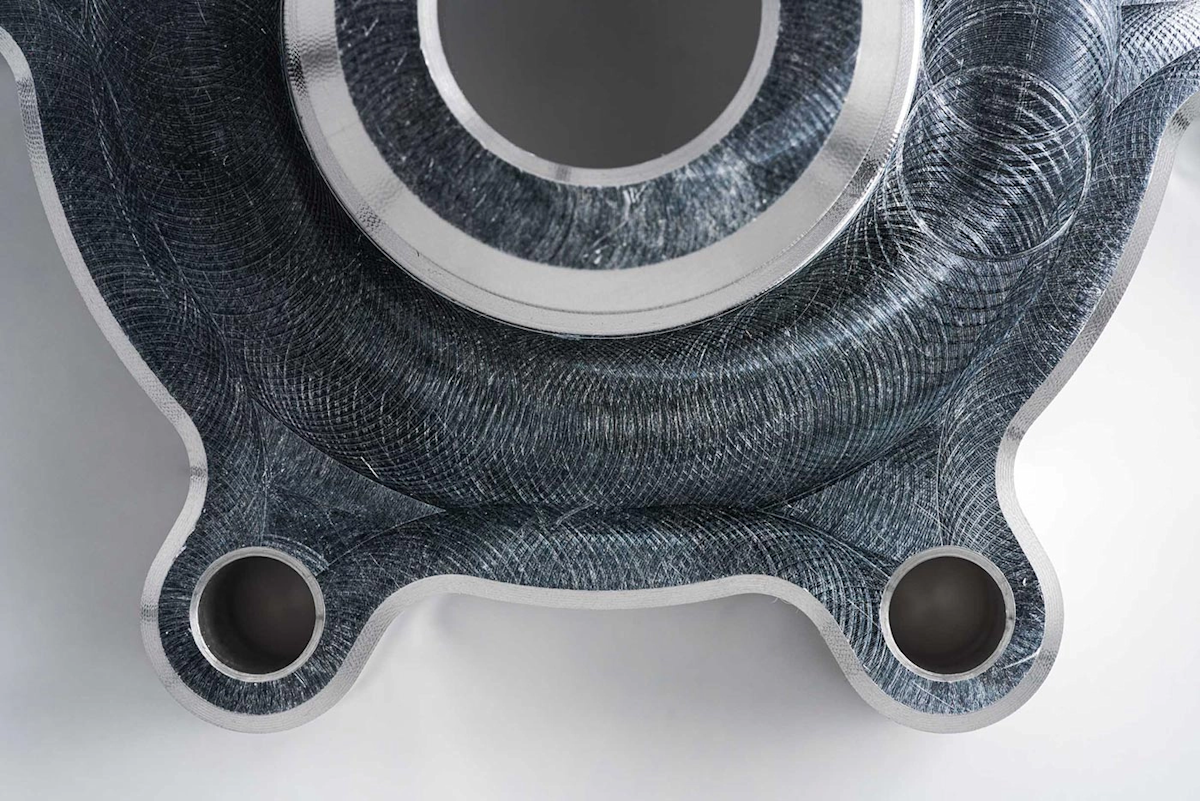
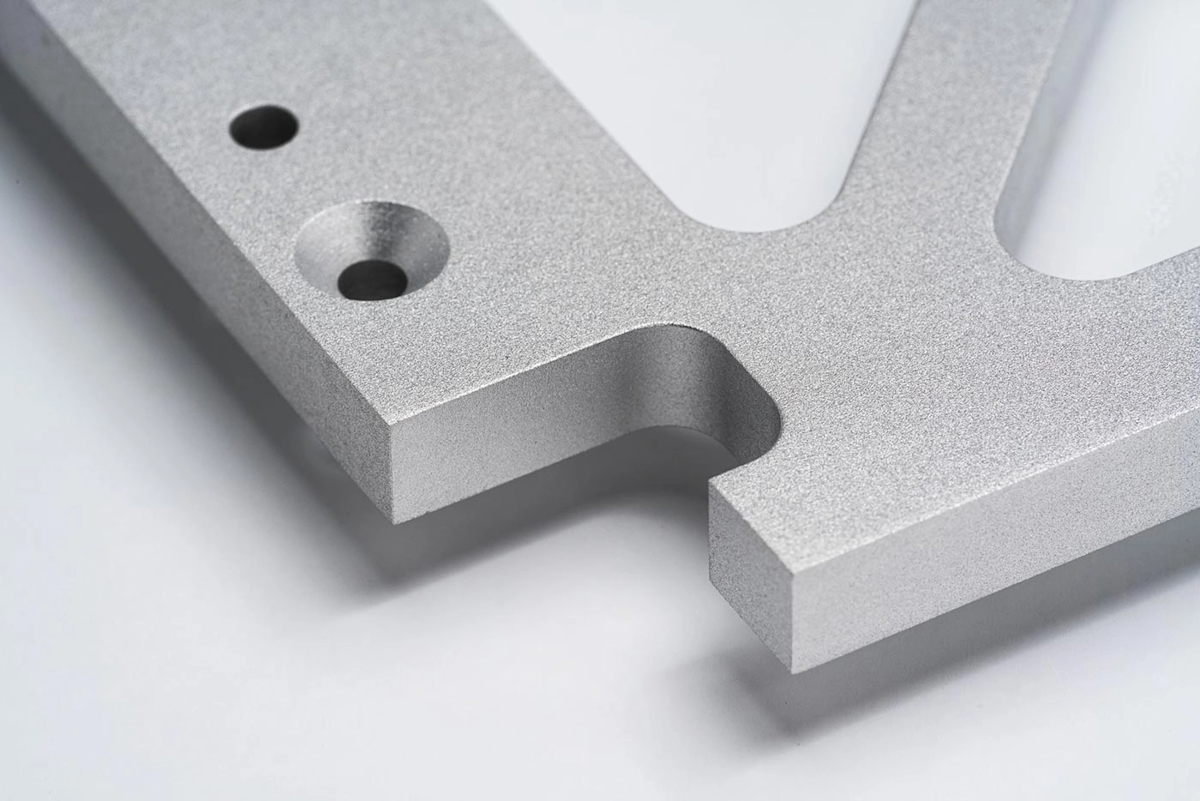
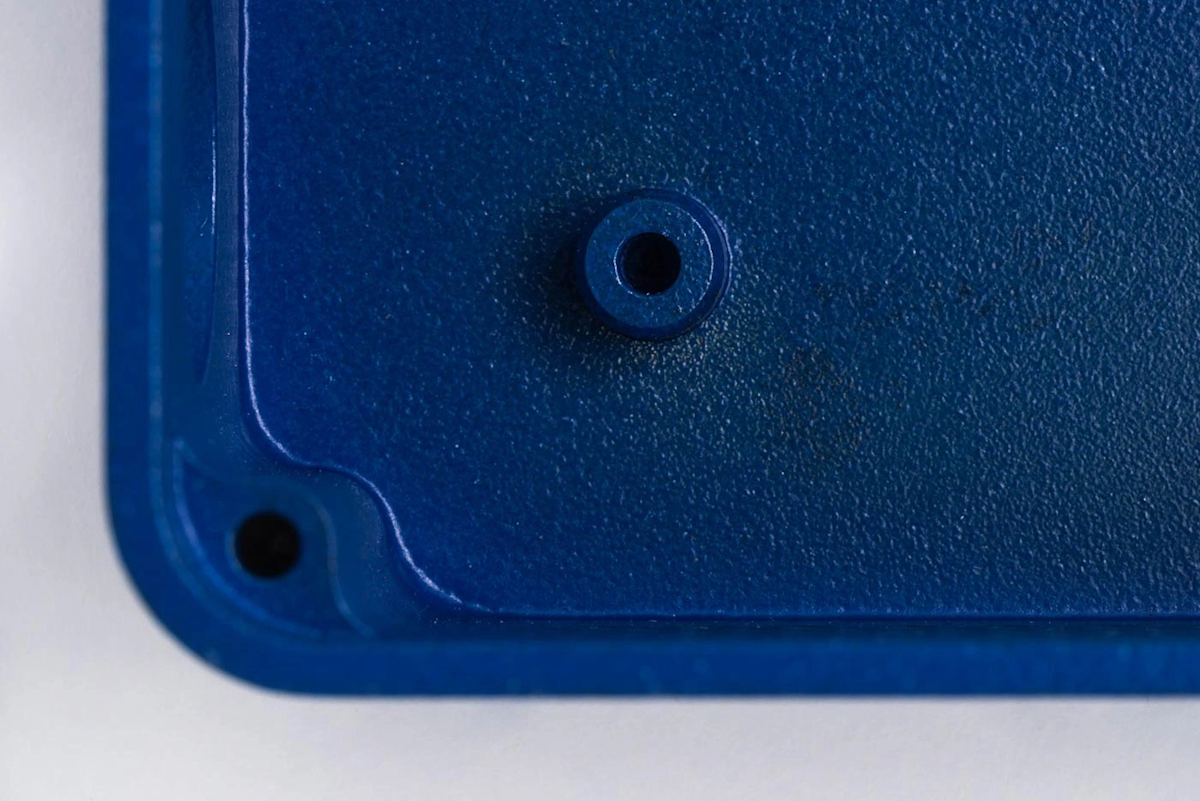
Surface finishes for metal bending parts enhance their strength, durability, and appearance, making them suitable for both functional and aesthetic applications.
Advantages
Metal bending manufacturing offers significant benefits, making it a critical process across multiple industries.
Applications
Bent metal components are versatile, transforming flat sheets into functional and durable parts suitable for a wide range of uses.
从详细的原型到大批量生产,TUOWEI 是您值得信赖的精密 CNC 加工合作伙伴。今天就联系我们,迈出简化、高质量制造解决方案的第一步。.
Metal bending uses specialized techniques to shape metal with precision, meeting diverse manufacturing needs across industries.
Air bending is the most common method, where the punch presses the metal into a die without fully contacting the bottom. This creates flexibility in producing multiple angles with the same tooling. It requires less force than other methods, making it cost-efficient.
In bottoming, the punch forces the metal to fully contact the bottom of the V-shaped die, resulting in high accuracy and reduced springback. However, it needs specific tooling for each angle, which can increase costs.
Coining uses extreme pressure to stamp the bend angle into the metal, eliminating springback almost entirely. This method delivers exceptional accuracy but demands high-tonnage machines.
Roll bending shapes metal into large-radius curves or cylinders using a series of rollers. It is ideal for producing structural beams, enclosures, or curved panels.
This technique bends metal, especially tubes and pipes, by drawing it around a fixed-radius die while maintaining dimensional accuracy. It’s widely used in the automotive and HVAC industries.
Wipe bending involves clamping the sheet and bending it over a shaped edge, making it excellent for creating flanges and intricate profiles quickly.
Getting flawless bends requires more than just the right tools is about technique, precision, and experience. Here’re some proven tips and tricks to achieve precise, consistent, and high-quality results in every metal bending project.
Choosing tooling that matches the metal type and thickness is the first step to precision. The wrong die or punch can cause deformation, poor angles, or uneven bends.
Correctly calculating bend allowance and bend deduction ensures the final part dimensions meet design requirements. Small calculation errors can lead to costly rework.
CNC bending machines improve repeatability and reduce human error, especially in large production runs. Adjusting for springback during setup also maintains precise angles.
Use angle gauges for quick verification during production and laser measurement systems for micron-level accuracy in critical parts. Regular checks prevent defects from reaching later stages.
无论您是创建小批量定制零件,还是扩大规模进行大批量生产,拓威 Proto 服务都能为您提供所需的灵活性。.
数控快速原型加工是创建工程或生产原型的完美选择,这些原型在外观和功能上都与最终产品非常相似。在拓维,我们提供即时报价和快速交付,为您提供精确、高质量的 CNC 加工原型,以满足您的需求。.
小批量数控加工通常是新兴产品从原型设计到批量生产之间的桥梁。有了拓威,这一过程变得更加简单、高效和经济,使您能够在保持高质量标准的同时迅速扩大生产规模。.
数控生产加工是高效生产千件或更多零件的最佳解决方案。拓威利用多样化的材料选择、自动化和多轴加工能力,实现了大批量生产,具有公差小、尺寸精度高、可靠性高和周转时间短等特点。.
了解拓威团队的专业技巧、行业趋势和精密制造见解,保持领先地位。阅读我们的最新博客,获取有价值的知识,了解我们如何塑造数控生产的未来。.