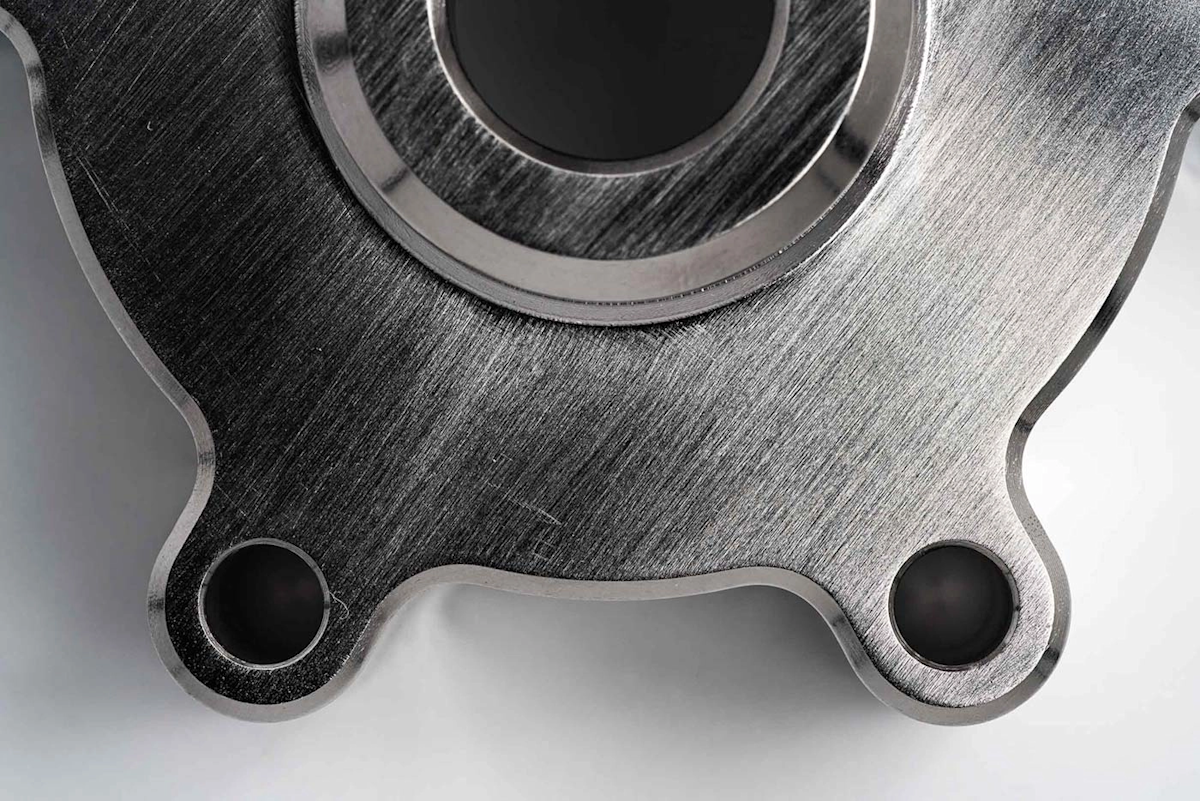
オーバーモールディング

High-quality custom overmolding solutions for prototypes and on-demand production parts. From multi-material components to enhanced product functionality, TOUWEI delivers precise overmolding services with rapid tooling.

best overmolding services-Tuowei Precision
What is Overmolding?

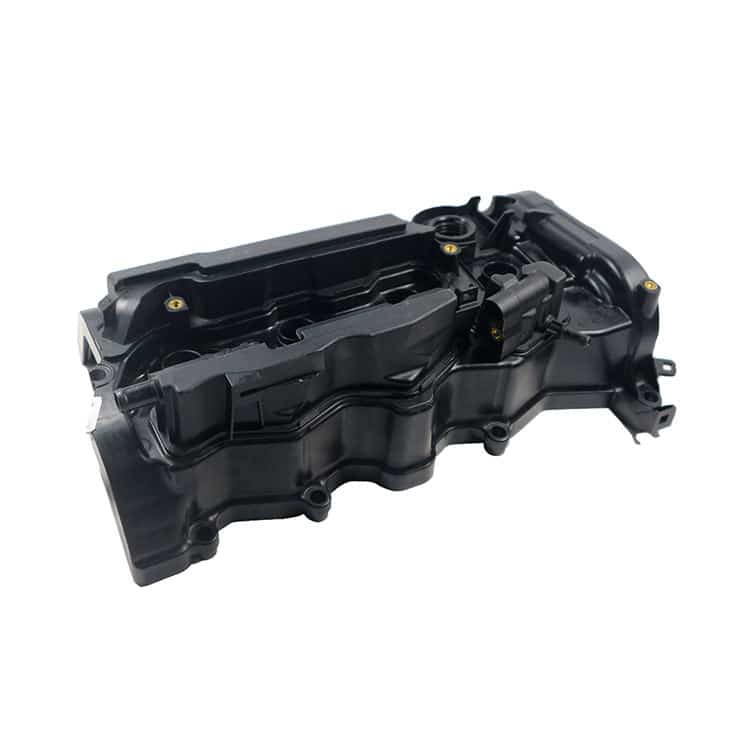
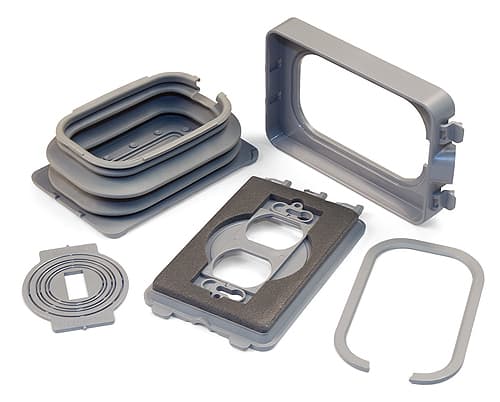
Overmolding is a specialized injection molding technique that combines two or more thermoplastic materials into a single, integrated component. The process begins with molding the first material, known as the substrate, which forms the base structure. A secondary material, called the overmold, is then injected over or around the substrate, creating a strong mechanical and chemical bond as the materials cool.

This advanced method not only improves durability and functionality but also enhances the appearance and ergonomics of products. We specialize in delivering custom overmolding solutions that elevate both product performance and aesthetics. Reach out to TUOWEI Precision today for a custom quote and discover how our overmolding expertise can bring your designs to life.

TUOWEI Precision’s Custom Overmolding

Looking for durable, custom overmolded parts? TUOWEI Precision is your trusted partner for high-quality overmolding solutions, supporting both prototype and mass production needs.

Overmolding allows multiple materials to be seamlessly combined into one functional part. Typically, a thermoplastic elastomer (TPE/TPV) is bonded onto a rigid plastic substrate, creating a component that is strong, ergonomic, and visually appealing. Everyday examples include toothbrush handles or electronic housings with both rigid and soft-touch elements.

Overmolding Process

Plastic Over Plastic

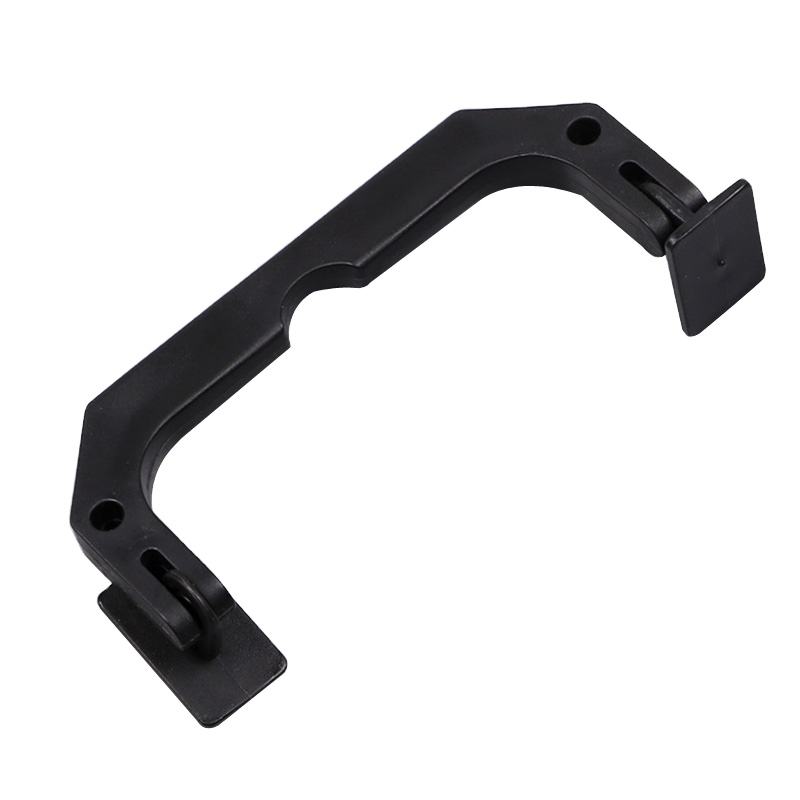
Plastic over plastic overmolding creates strong, precise parts by bonding two thermoplastics into a single structure. This technique is widely used for mass production where consistency, durability, and design flexibility are essential for reliable performance.

Rubber Over Plastic

Rubber over plastic overmolding improves both comfort and functionality by adding soft, flexible layers to rigid substrates. It enhances grip, aesthetics, and overall usability, making it ideal for consumer goods and ergonomic designs.

Plastic Over Metal

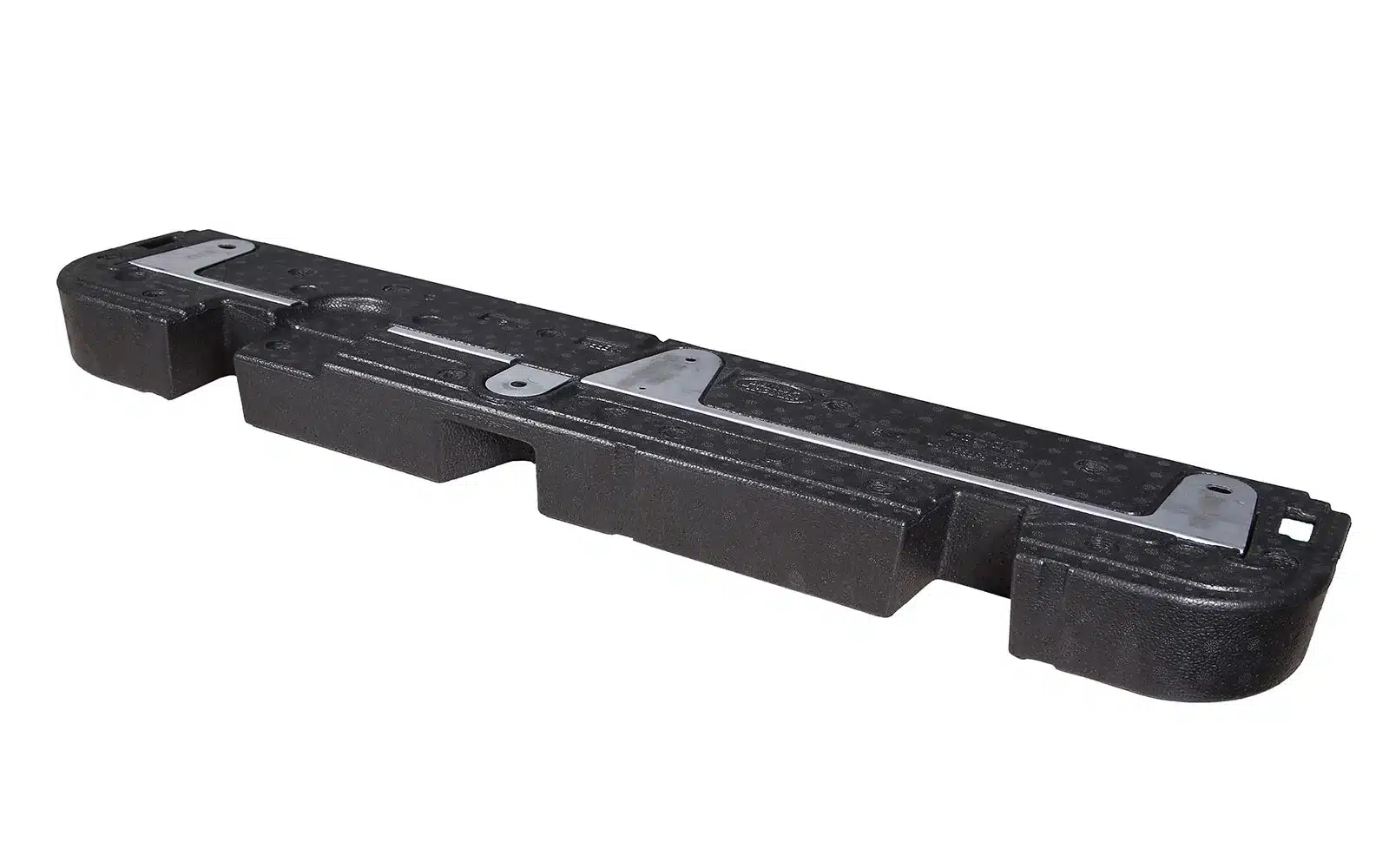
Plastic over metal, also called insert molding, integrates metal inserts into plastic during the molding cycle. This process eliminates secondary assembly while providing parts with enhanced durability and embedded functional features.

Rubber Over Metal

Rubber over metal molding creates durable, vibration-resistant parts by permanently bonding elastomers to rigid metal substrates. This process ensures strong adhesion, improved shock absorption, and long-lasting performance.

Our Overmolding Capabilities

TUOWEI Precision provides advanced custom overmolding solutions that merge multiple materials into one seamless part. Our process enhances both appearance and performance, ensuring durable, high-quality plastic components.

Overmolding Service 寛容
Standard Overmolding ±0.005インチ(±0.127mm)
Precision Overmolding ±0.002インチ(±0.051mm)
Overmolding with Metal Inserts ±0.005インチ(±0.127mm)
Overmolding for Complex Parts ±0.003インチ(±0.076mm)

Surface Finishes for Overmolding

Overmolding surface finishing techniques used to improve the performance and appearance of overmolded components:

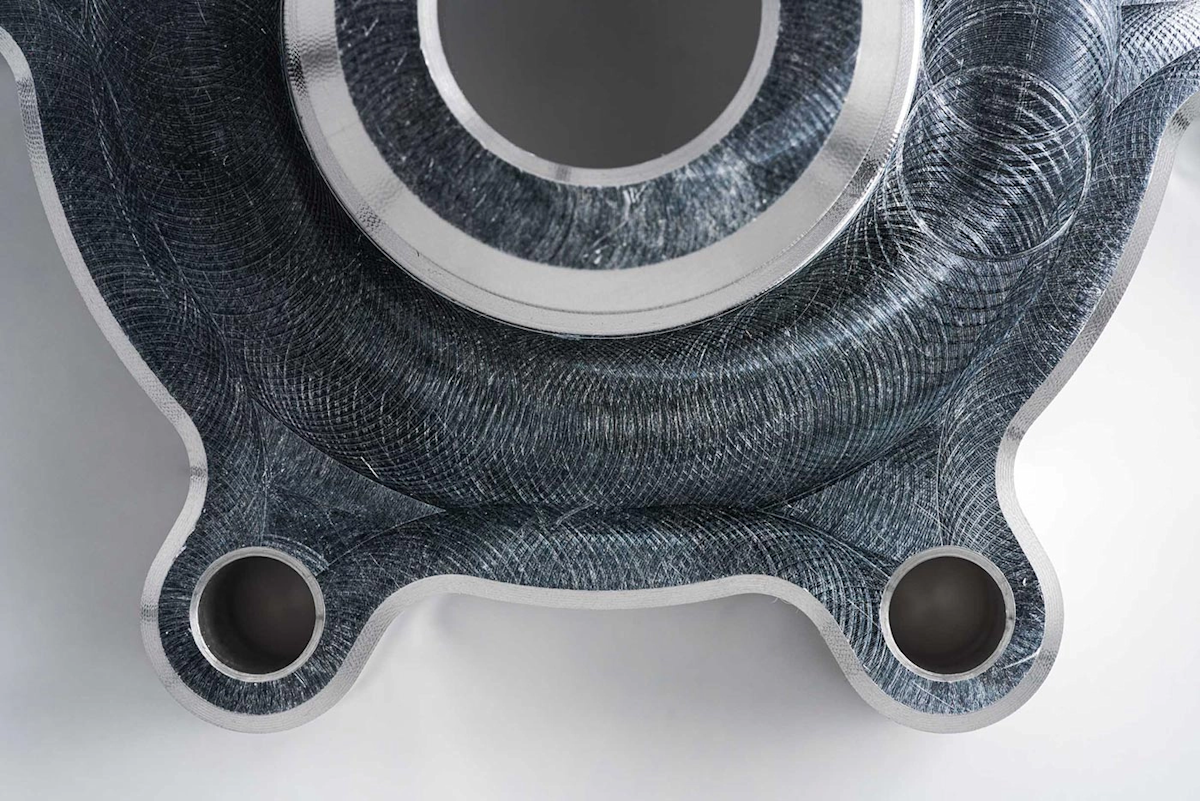
テクスチャリング

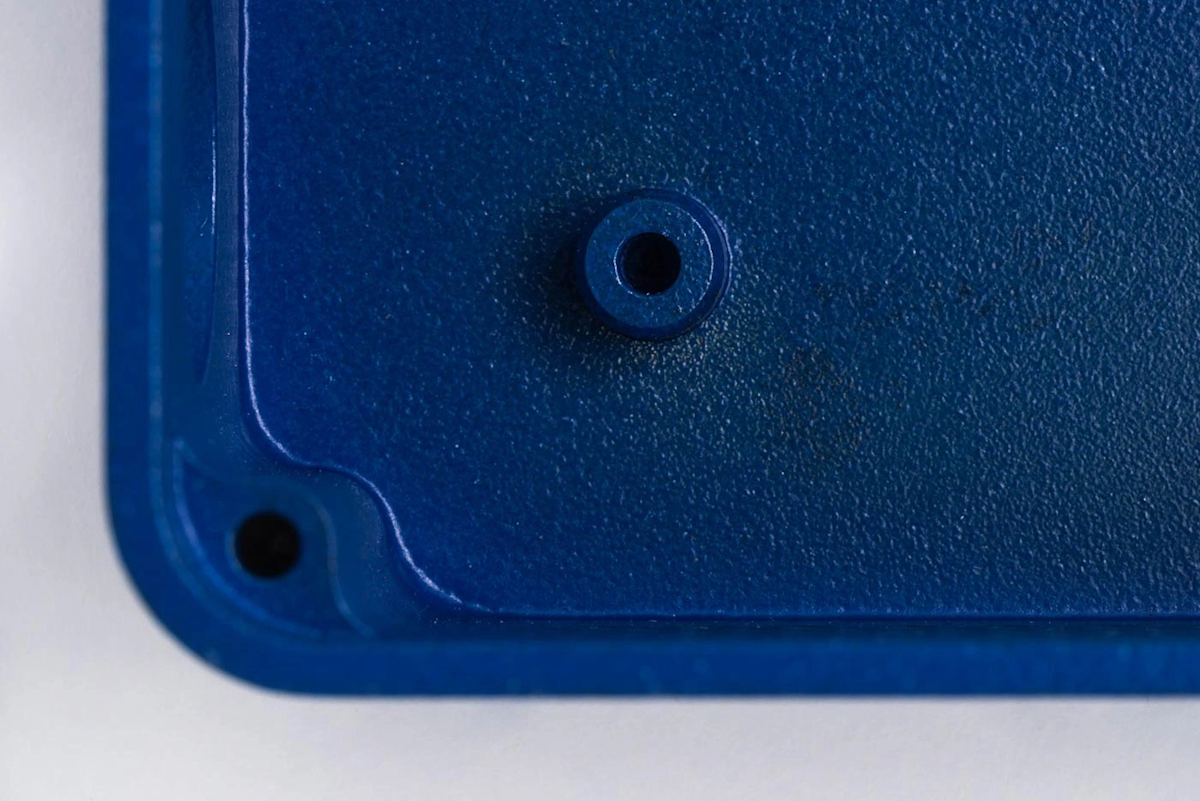
Texturing is commonly applied to the outer surface of overmolded parts to improve grip, aesthetics, and overall functionality.

研磨

Polishing provides a smooth finish on the outer surface of overmolded parts, ideal for high-end consumer products where aesthetics matter.

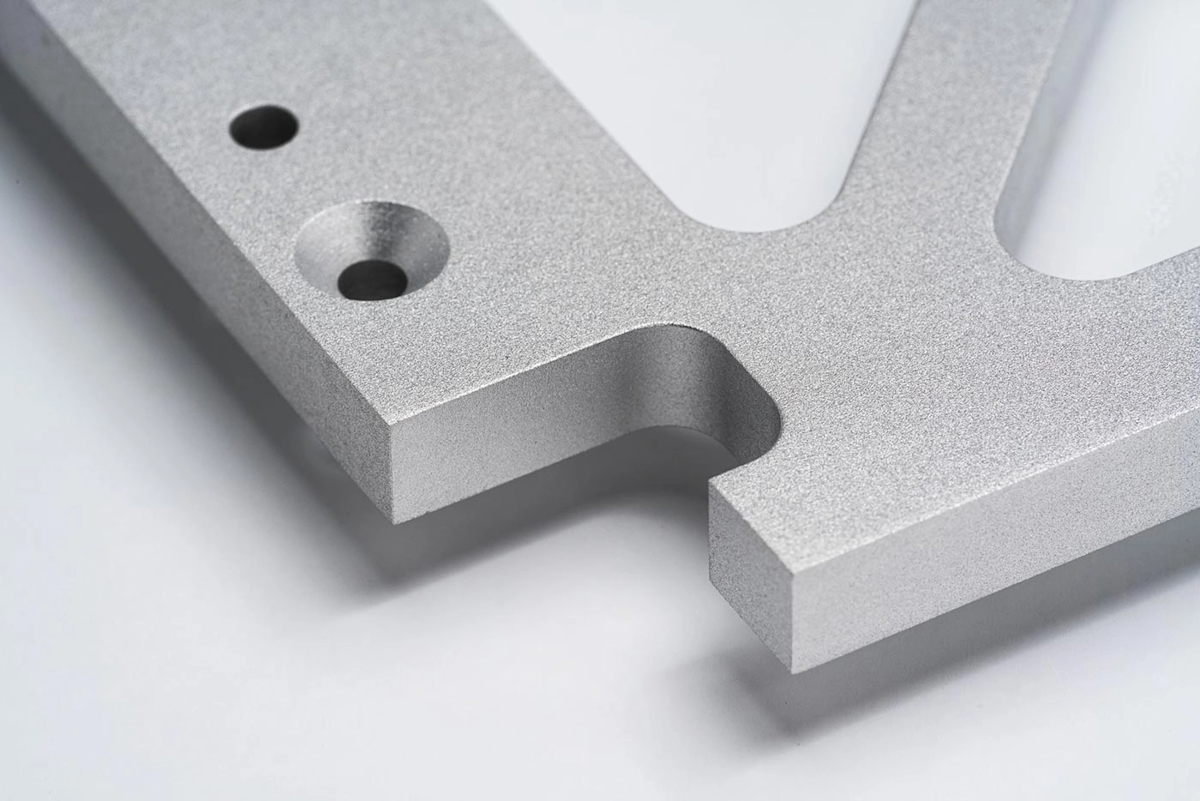
ビーズブラスト

Bead blasting is effective for achieving a uniform matte finish that hides imperfections and gives overmolded parts a premium feel.

レーザー彫刻

Laser engraving allows for precise detailing or branding on the surface of overmolded parts, ensuring durability and high-quality designs.

Plasma Treatment

Plasma treatment is used to enhance the adhesion of the overmold material to the substrate, ensuring a strong bond and a smooth surface.

電気めっき

Electroplating adds an additional layer of protection to the surface, improving both the aesthetic appearance and the resistance to corrosion.

Materials for OverMolding

TUOWEIは、迅速な試作と耐久性に優れた高性能部品を提供することで、エンジニアや大手メーカーから信頼を得ています。プロトタイピングであれ、本格的な生産であれ、当社の豊富な材料セレクションは、あらゆるCNC機械加工プロジェクトの精度、強度、信頼性を保証します。.

ABS

ポリカーボネート

ナイロン、アクリル、PVC

ポリプロピレン

PETG

POM(アセタール)

ポリアミド(ナイロン)

ティーピーイー

シリコーン

EPDM

ブナN

ネオプレン

ティーピーイー

ウレタン

エポキシ樹脂


TPE(熱可塑性エラストマー)

SiliconeRubber

TPE(熱可塑性エラストマー)

EPDM

ニトリル

Tuowei PrecisionのCNCフライス加工サービスでは、高度な機械に投資するだけではありません。完璧な精度の保証、厳格なスケジュールへのコミットメント、そしてお客様のニーズを満たすために献身する熟練した専門家の専門知識を得ることができます。

当社をお選びください

なぜ
/01

高品質部品

TuoweiプレシジョンのISO認定CNC機械加工は、卓越した精度と品質を保証します。すべての部品は、各段階で厳格な品質管理を行い、完璧なフィット感と完璧なパフォーマンスを実現するために作られています。

/02
迅速なターンアラウンド

Tuowei Precisionでスケジュールを守りましょう。当社の最新鋭の設備と現地のワークショップは、お客様の厳しい納期を満たす迅速な生産を実現します。

/03
専門技術サポート

包括的なCNC加工サポートは、当社のチームにお任せください。当社のエキスパートが設計効率を最適化し、すべての工程で最高品質の結果をお約束します。

メリット

Advantages of Overmolding

Overmolding is a powerful manufacturing method that combines multiple materials into a single part, boosting strength, performance, and design flexibility. By eliminating secondary assembly, it not only reduces costs but also enhances aesthetics, comfort, and product lifespan.

アプリケーション

Applications of Overmolding

Overmolding’s versatility makes it ideal for industries that demand precision, durability, and advanced product functionality. From medical devices to household goods, it delivers custom solutions that merge performance with usability.

次なるものを一緒に作ろう

TUOWEIとともにビジョンを描く

ラピッドプロトタイピングからスケーラブル生産の時代になって以来、Tuowei Precisionは信頼性の高いCNC機械加工と製造サービスにより、お客様のプロジェクトを支援します。私たちのチームは、すべてのレベルで精度、一貫性、スムーズな実行があることを確認するためにあなたと協力します。.

今すぐプロジェクトを開始し、Tuoweiで効率的で高品質な製造への第一歩を踏み出しましょう。.

お問い合わせ
12時間以内の迅速な対応を保証
🔐 すべてのアップロードは安全かつ機密です。

The Overmolding Process at TUOWEI Precision

TUOWEI PRECISION follows a refined overmolding workflow that ensures every part meets the highest standards of precision, durability, and aesthetics. Our process is a combination of technical expertise, material science, and advanced tooling.

Substrate Design & Engineering

We begin by designing and engineering the core substrate with exacting specifications. Our engineering team considers dimensional accuracy, bonding requirements, and mechanical performance to ensure the substrate is an ideal foundation for the overmold layer.

Precision Substrate Molding

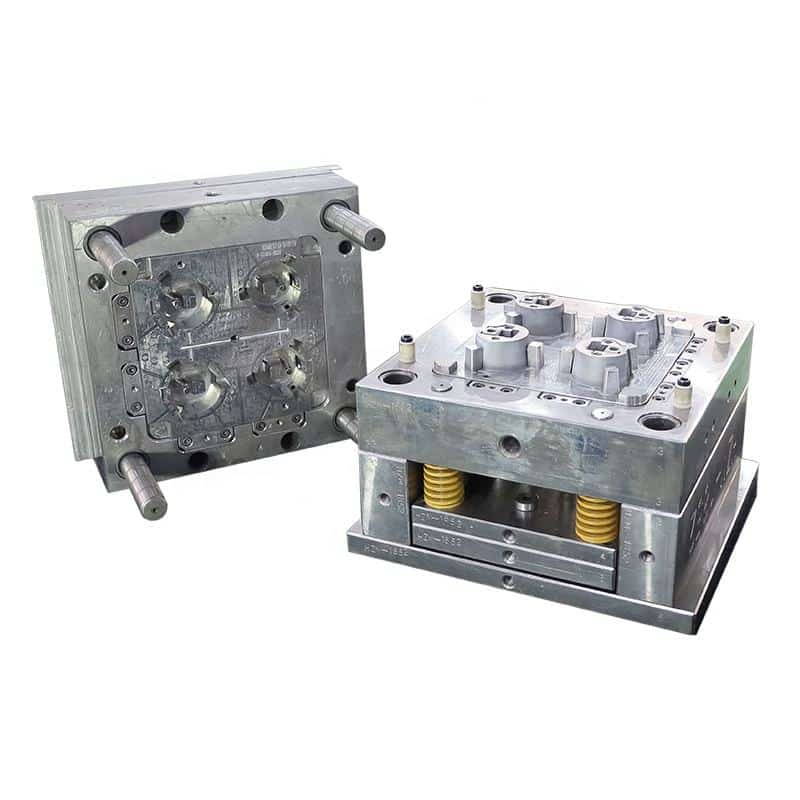
Using advanced injection molding machines, we produce the rigid substrate often from materials such as ABS, PC, or metal inserts. Every piece is checked against tolerance benchmarks to guarantee a perfect fit for the overmolding stage.

Surface Preparation & Treatment

Before applying the overmold, we prepare the substrate’s surface to maximize adhesion. This may involve cleaning, texturing, or plasma treatment, ensuring the secondary material bonds securely and resists peeling or cracking over time.

Secondary Material Injection

The prepared substrate is placed into a specialized mold where a softer material such as TPE, TPU, or silicone is precisely injected over or around it. Our temperature and pressure controls ensure consistent bonding, dimensional stability, and defect-free finishes.

Quality Inspection & Finishing

Once molded, each part undergoes a rigorous inspection process. We check for bonding strength, dimensional accuracy, and visual quality. Any necessary finishing, such as trimming or polishing, is completed before parts are packaged for delivery.

What Challenges Occur in Overmolding And How to Overcome Them?

While overmolding offers significant advantages, it comes with unique manufacturing challenges. Addressing these issues early can reduce waste, improve cycle times, and ensure consistent product quality.

Material Compatibility

Challenge: Not all materials bond well. If the substrate and overmold material are incompatible, the layers may peel, crack, or fail under stress.
Solution: Select materials with proven adhesion properties. For example, pairing polycarbonate (PC) substrates with TPE overmolds has a high success rate. Conduct adhesion tests before mass production investing in compatibility testing can save up to 20% in rework costs.

Dimensional Accuracy and Shrinkage

Challenge: Differences in thermal expansion between materials can cause warping or dimensional inconsistencies.
Solution: Adjust mold design to compensate for material shrinkage rates. Using precise temperature control during the second molding stage can reduce deformation by up to 30%.

Flash and Parting Line Defects

Challenge: Overmolding sometimes causes excess material (flash) at parting lines, leading to poor aesthetics and additional finishing costs.
Solution: Ensure high-precision tooling and optimal clamping force. Regular mold maintenance and inspection can cut defect rates by half.

Cycle Time and Production Efficiency

Challenge: Overmolding is naturally more time-intensive than single-material molding.
Solution: Use automated part handling between molding stages and optimize cooling times. Some manufacturers see a 15–25% cycle time improvement with robotics integration.

Bonding Failures Under Stress

Challenge: In applications like automotive seals or medical grips, repeated stress may cause delamination.
Solution: Incorporate mechanical interlocks into the substrate design. Even if chemical bonding weakens over time, the physical interlock maintains structural integrity.
トゥオウェイ・プロトのソリューション

カスタムパーツの少量生産から大量生産まで、Tuowei Protoサービスは柔軟な対応が可能です。

ラピッドプロトタイピング

CNCラピッドプロトタイプ加工は、外観と機能性の両方で最終製品に酷似したエンジニアリングまたは生産プロトタイプを作成するのに最適です。Tuoweiでは、即座の見積もりと迅速な配達を提供し、お客様のニーズに合った正確で高品質のCNC機械加工プロトタイプを提供します。

少量生産

少量生産のCNC加工は、多くの場合、新製品や新興製品の試作と大量生産の橋渡しの役割を果たします。Tuoweiを使用することで、このプロセスがより簡単に、より効率的に、そしてコスト効率よくなり、高品質な基準を維持しながら迅速に生産規模を拡大することができます。

最終用途 生産

CNC生産加工は、千個以上の部品を効率的に生産するための最適なソリューションです。Tuoweiは、多様な材料と自動化、多軸機能を活用し、厳しい公差、優れた寸法精度、高い信頼性、迅速な納期で大量生産を実現します。

インサイト&イノベーション

Tuowei精密の実際のCNC加工、業界動向、生産洞察力を常に更新しますが、より良い生産の意思決定を行うことができるようにインストールされています。.

よくある質問

Over Molding

  • What is the Overmolding Process?

    Overmolding is an advanced injection molding technique where two or more materials are combined to create a single, integrated product. The process begins with molding a rigid substrate, such as plastic or metal, which forms the product’s core. A second material—commonly a flexible thermoplastic elastomer (TPE)—is then molded over the substrate. This outer layer improves grip, comfort, and aesthetics while adding functional properties like durability, softness, or color variation. Widely used in industries such as automotive, medical, and consumer electronics, overmolding enhances performance, simplifies assembly, and allows for innovative product designs. 

  • What is the Difference Between Overmolding and Insert Molding?

    Overmolding and insert molding are both specialized techniques, but they serve different purposes. Overmolding involves adding a second material layer over an existing molded part, often to improve grip, appearance, or durability. Insert molding, on the other hand, integrates a pre-formed component—such as a metal insert—into the mold before plastic is injected, creating a strong bond between materials. Overmolding is best suited for ergonomic products like handles and grips, while insert molding is commonly used in structural applications, such as automotive parts, where strength and functionality are critical.

  • What are the Design Considerations for Overmolding?

    Design plays a crucial role in the success of overmolding. The primary and secondary materials must be compatible in terms of adhesion, flexibility, and thermal properties to ensure a durable bond. Product geometry should include features such as undercuts, ribs, or grooves to enhance mechanical interlocking and reduce the risk of peeling. Mold design must be optimized for proper material flow, with careful attention to gating and venting. Finally, tolerances should account for shrinkage and thermal expansion during cooling to maintain dimensional accuracy and meet specifications. 

  • Can EPDM Be Used for Overmolding?

    Yes, EPDM is well-suited for overmolding with thermoplastics. Its flexibility, excellent weather resistance, and ability to withstand extreme temperatures make it ideal for outdoor and automotive applications. To ensure strong adhesion, the EPDM surface may require cleaning or surface treatment before molding. Proper control of temperature and pressure during processing is also essential. When done correctly, EPDM overmolding produces durable, reliable parts capable of performing in demanding environments. 

お問い合わせ
12時間以内の迅速な対応を保証
🔐 すべてのアップロードは安全かつ機密です。