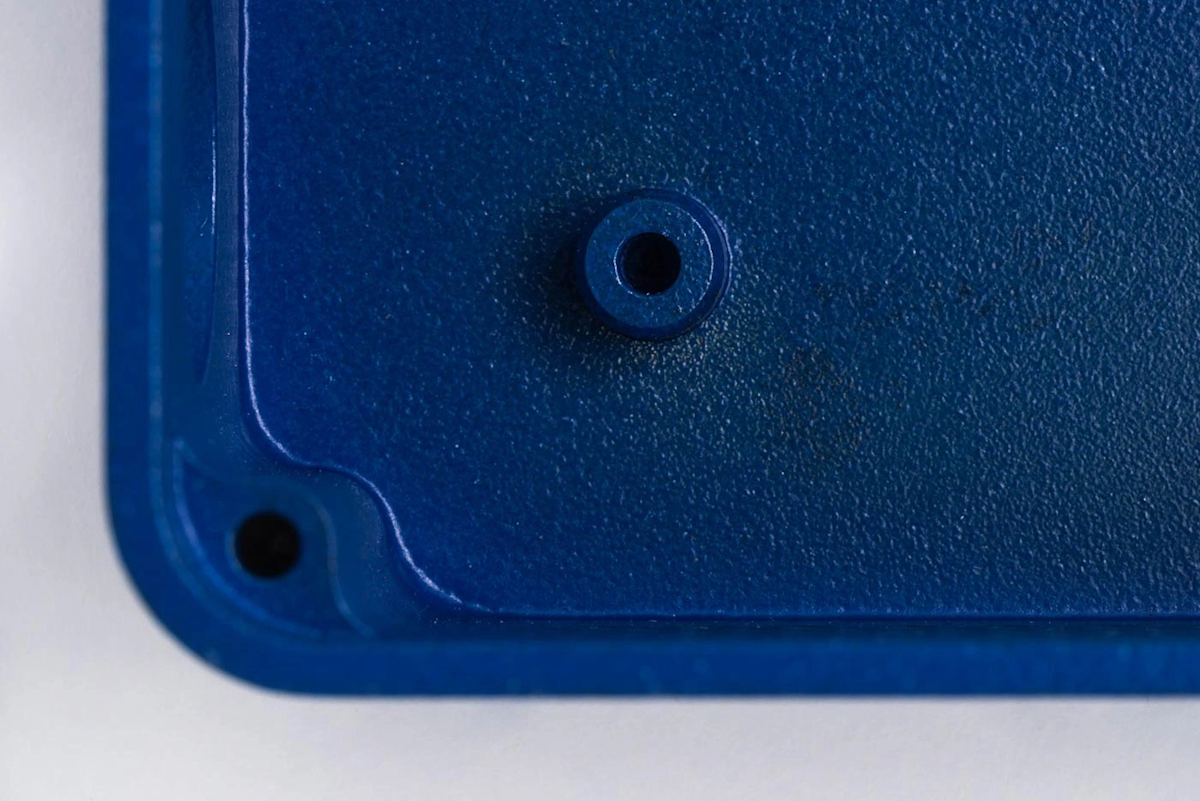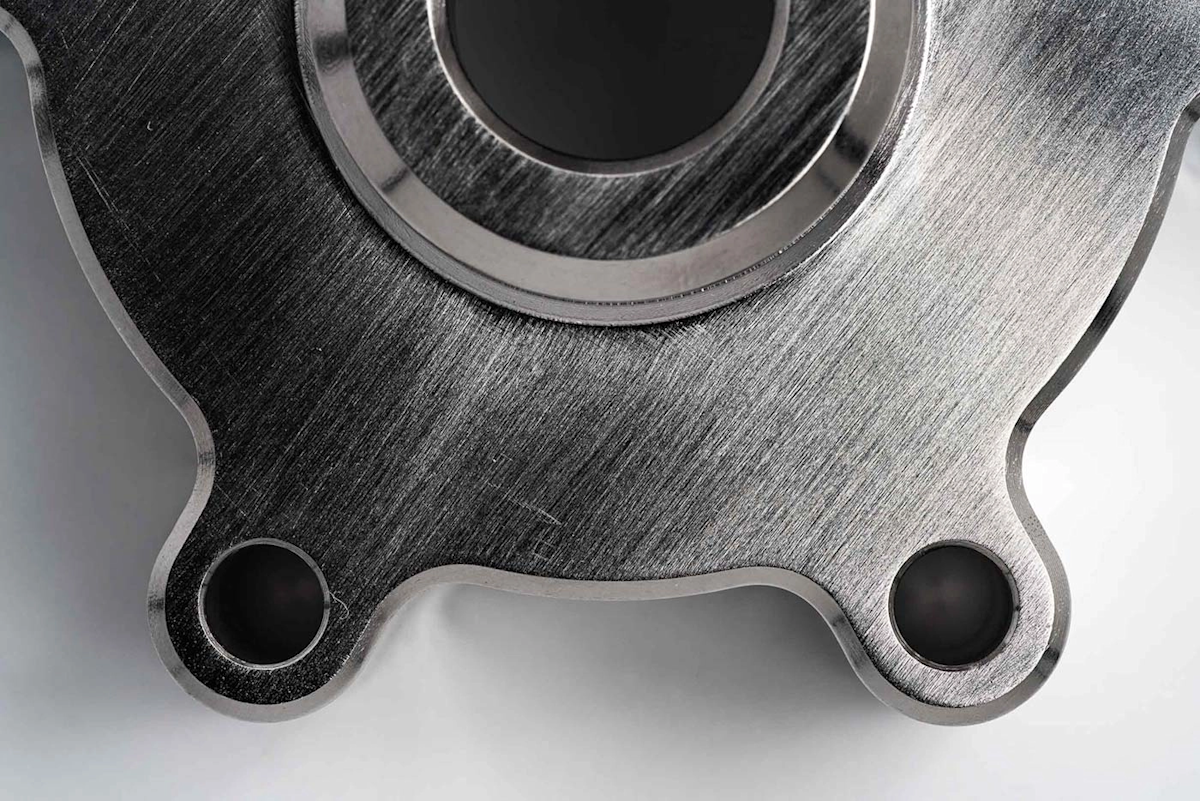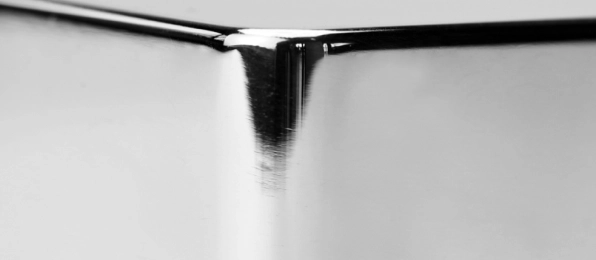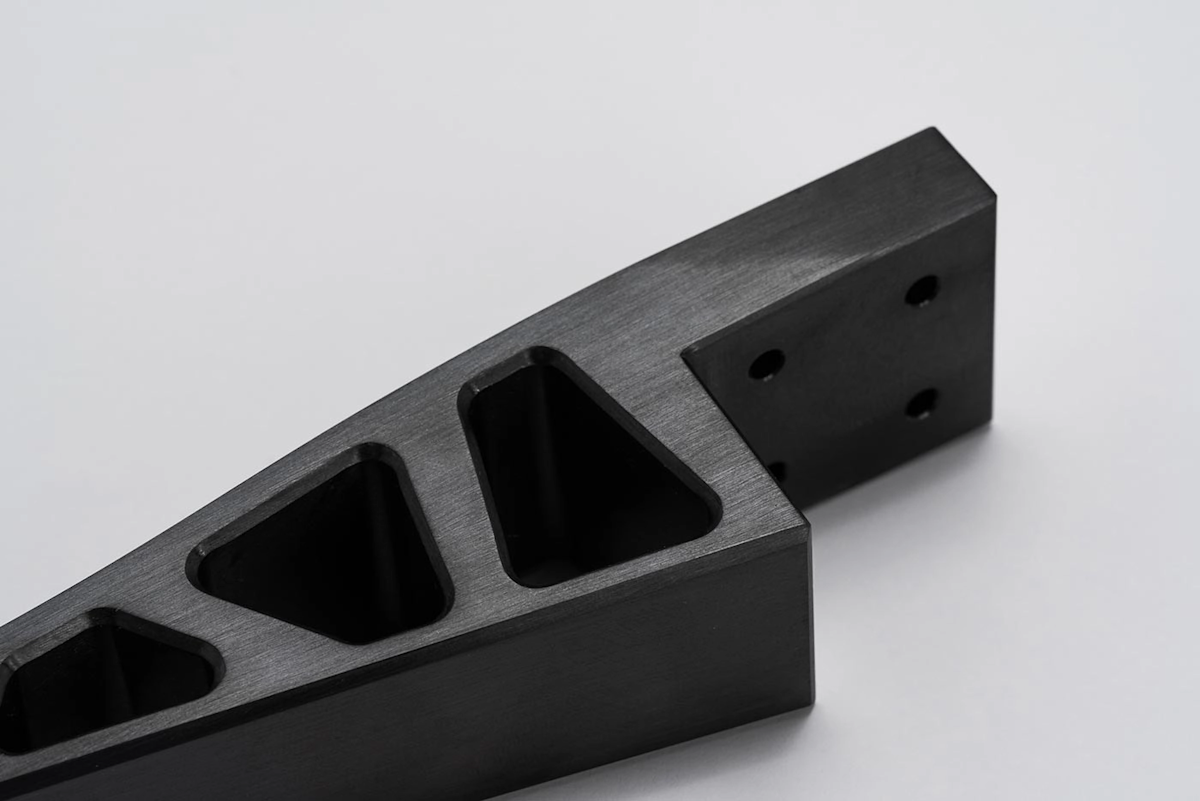
板材加工

Expert sheet metal fabrication solutions for custom-formed metal parts and components. TOUWEI delivers precise sheet metal fabrication with quick turnaround times and exceptional quality.

custom sheet metal fabrication- Tuowei Precision
TUOWEI Precision Sheet Metal Fabrication

Sheet metal fabrication is a precise manufacturing process that shapes parts from thin metal sheets. Engineers frequently select sheet metal for its accuracy, strength, and reliability, making it ideal for applications such as enclosures, chassis, brackets, and other end-use components.

At TUOWEI Precision, our sheet metal fabrication services deliver fast, cost-effective solutions for parts designed from 3D CAD files or engineering drawings. We offer a wide range of materials, including aluminum, copper, steel, and stainless steel, along with assembly and finishing options such as PEM insert installation, welding, and surface treatments. Leveraging our network of domestic and international fabricators, TUOWEI Precision can handle any order size—from low-volume, high-mix prototypes to large-scale production runs. Our competitive pricing ensures cost efficiency for both prototypes and high-volume parts, with transparent quotes that include tariffs and standard shipping for prototypes.

Custom Sheet Metal Fabrication Services

TUOWEI Precision offers comprehensive sheet metal fabrication services for custom parts, backed by a network of over 100 advanced machines, including laser cutters, bending machines, and welders. Whether you need low-volume prototypes or high-volume production, we can deliver parts of any quantity with consistent precision.

激光切割

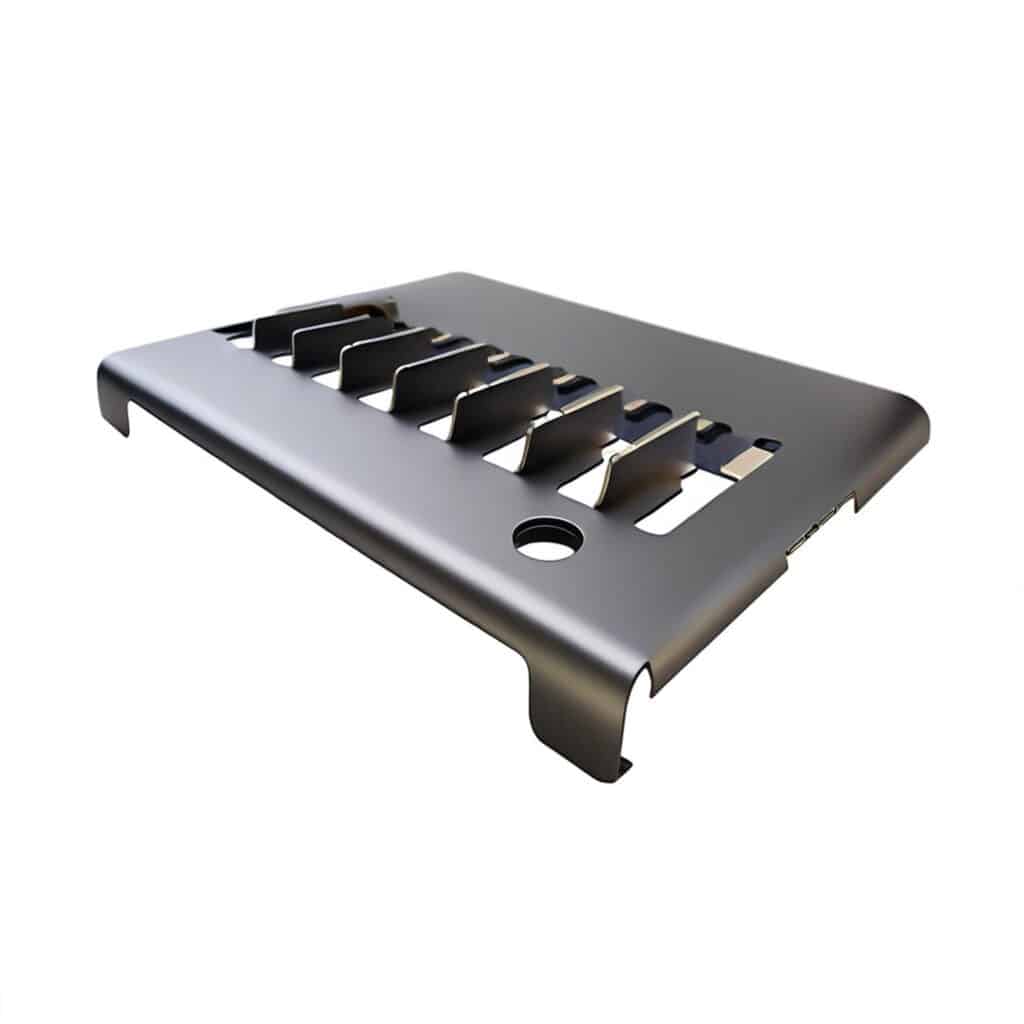
Laser cutting uses a precise focused beam to cut, engrave, or etch materials accurately.

Bending

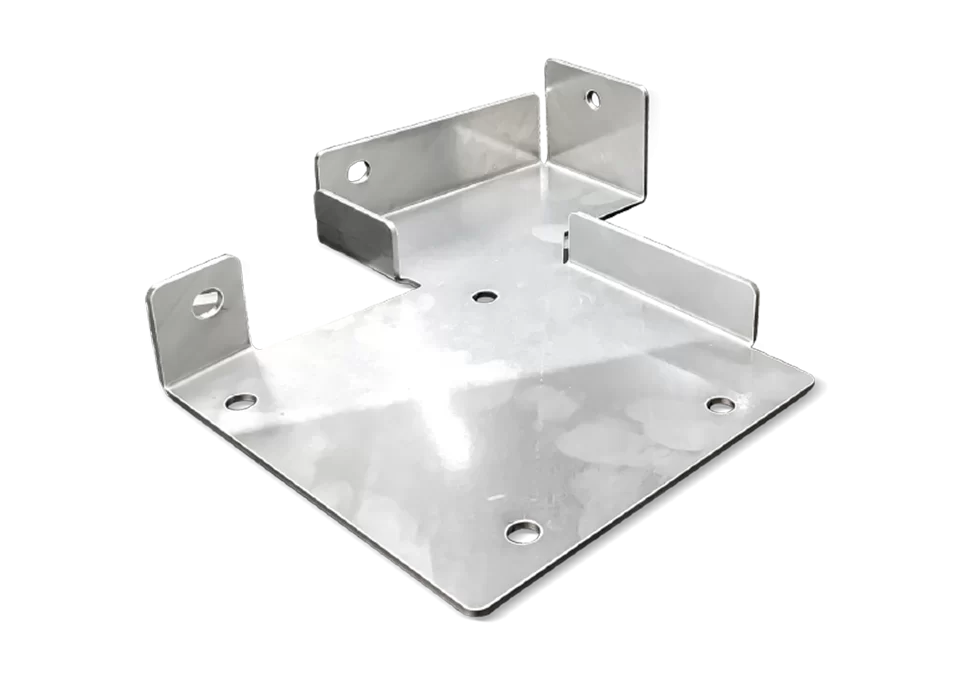
 Bending applies controlled force to thin metal sheets, shaping them into U, V, or channel forms.

Stamping

Stamping transforms flat metal sheets using dies and presses, creating complex three-dimensional shapes efficiently.

Sheet Metal Fabrication Capabilities at Tuowei

Our sheet metal services are designed to deliver precision, consistency, and quality across every project. With advanced equipment and strict standards, we ensure your parts meet exact specifications from prototyping to production.

Description Tolerance
General Tolerances (Metals: ISO 2768-c)
Cutting Feature ± 0.00787" / 0.2 mm
Bend Angle ± 1.0°
Bend to Edge ± 0.010" / 0.254 mm
Bend to Hole ± 0.2 mm

Surface Finishing Sheets Metal Fabrication

Surface finishes for sheet metal fabrication enhance durability, improve corrosion resistance, and refine aesthetics, allowing parts to meet both functional and visual requirements.

Polishing

 Polishing smooths the surface, providing a high-gloss finish that improves both appearance and resistance to wear.

Anodizing

This process adds a protective oxide layer to metal surfaces, increasing corrosion resistance and enhancing aesthetic appeal.

Bead Blasting

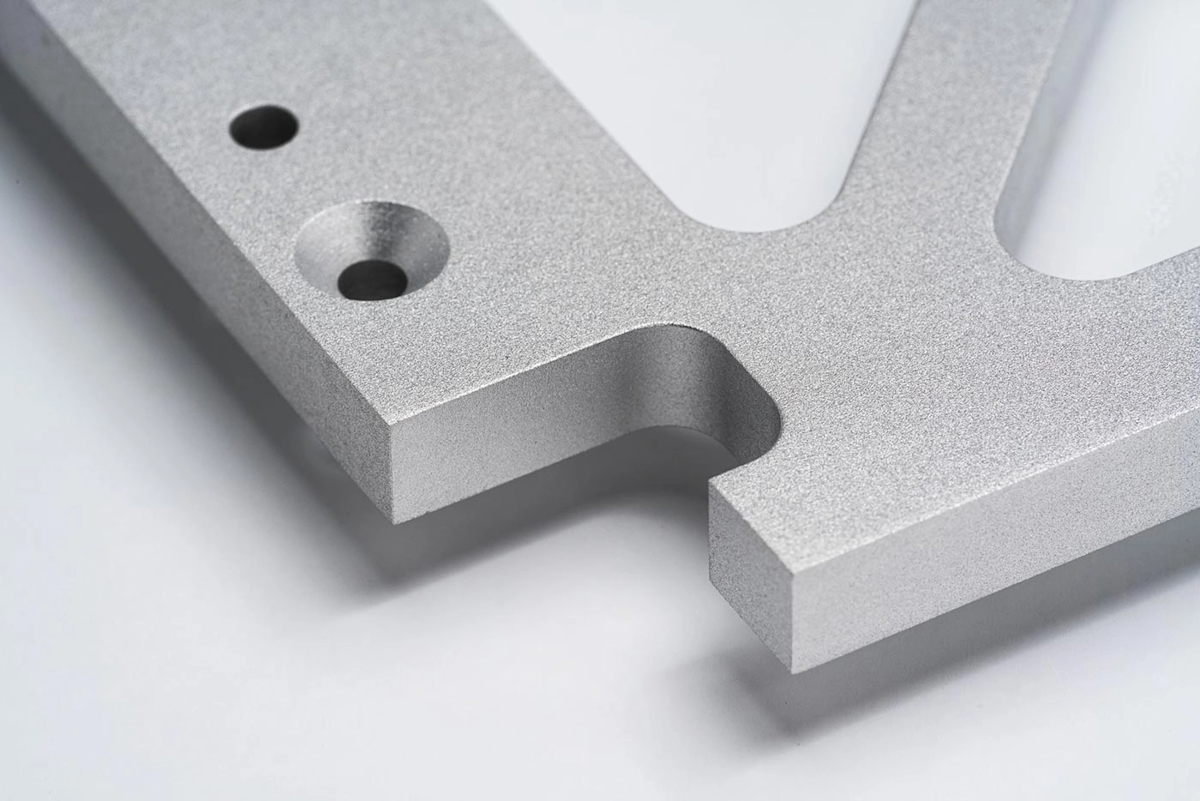
Bead blasting involves spraying fine beads onto the surface to create a smooth, matte finish with a uniform texture.

Electroplating

Electroplating adds a thin metal coating to a surface, offering enhanced corrosion resistance, wear protection, and improved conductivity.

Lapping

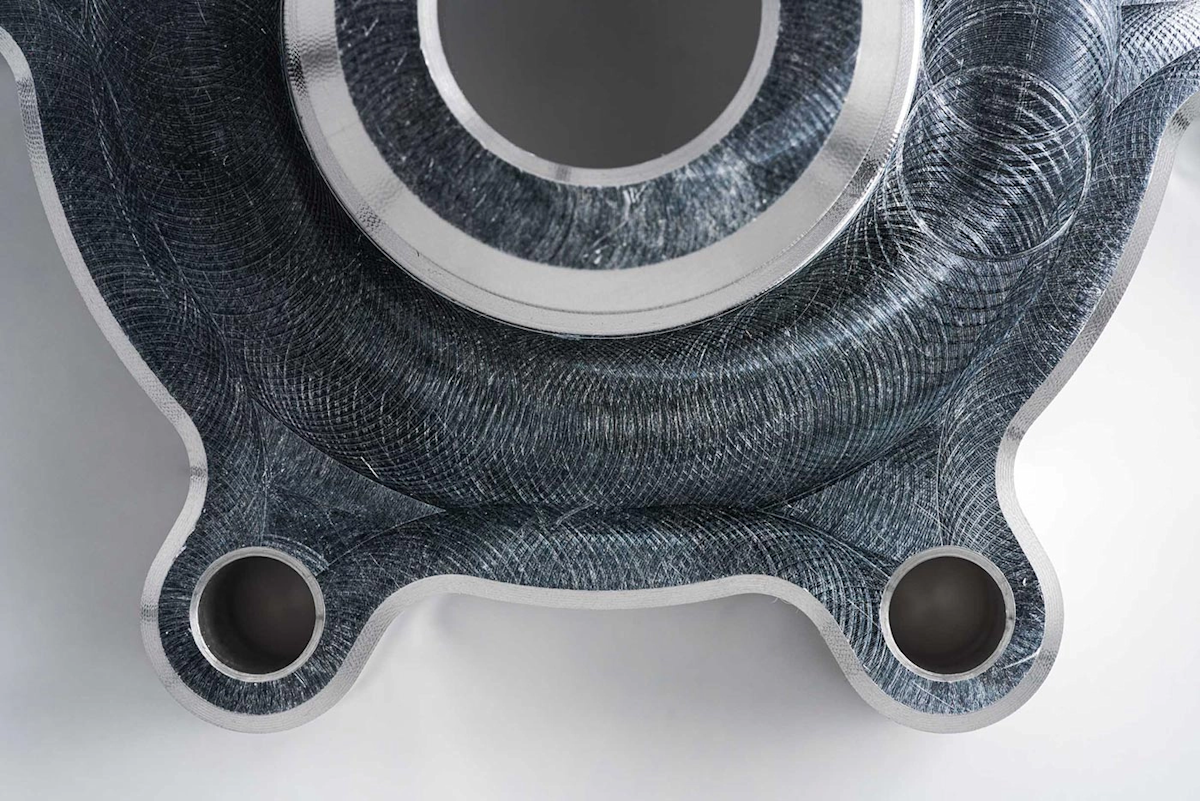
Lapping is a precision process that improves surface flatness and smoothness, reducing surface roughness for high-tolerance applications.

Shot Peening

Shot peening involves bombarding the surface with small spherical media, improving fatigue resistance and reducing stress concentrations.

With Tuowei Precision’s CNC milling service, you’re not just investing in advanced machinery. You’re gaining the assurance of flawless precision, commitment to strict timelines, and the expertise of skilled professionals dedicated to meeting your needs.

Choose Us

Why
/01

High Quality Parts

Tuowei Precision’s ISO-certified CNC machining guarantees exceptional accuracy and quality. Every part is crafted for perfect fit and flawless performance, with rigorous quality control at each stage.

/02
Fast Turnaround

Stay on schedule with Tuowei Precision. Our state-of-the-art equipment and local workshops deliver rapid production to meet your tight deadlines.

/03
Expert Engineering Support

Rely on our team for comprehensive CNC machining support. Our experts are available to optimize design efficiency and ensure top-quality results at every step.

Advantages

Advantages of Sheet Metal Fabrication

Sheet metal fabrication provides a versatile and efficient solution for producing high-quality parts across industries.

Applications

Applications of Sheet Metal Fabrication

Sheet metal fabrication supports a wide variety of applications, producing components that meet both functional and design requirements.

让我们共创未来

与杜维合作,塑造您的愿景

从详细的原型到大批量生产,TUOWEI 是您值得信赖的精密 CNC 加工合作伙伴。今天就联系我们,迈出简化、高质量制造解决方案的第一步。.

与我们联系!
保证在 12 小时内迅速回复
🔐 所有上传内容均安全保密

What Are the Different Techniques Used in Sheet Metal Fabrication?

Sheet metal fabrication combines time-tested craftsmanship with cutting-edge technology, using a variety of specialized techniques to transform flat metal sheets into precise, functional, and durable components for industries worldwide.

激光切割

Laser cutting uses a high-powered, focused beam to slice through metal sheets with extreme precision. It’s ideal for complex shapes and delivers clean, burr-free edges. Modern systems can achieve tolerances as tight as ±0.1 mm, making it a go-to for high-accuracy parts.

CNC Punching

CNC punching employs a programmable turret press to punch holes, slots, or shapes into sheet metal at high speeds. It’s cost-effective for repetitive patterns and mass production. Capable of up to hundreds of hits per minute, it balances speed with consistent quality.

Press Brake Bending

This technique uses a press brake machine to bend metal sheets into desired angles and shapes. With CNC controls, it can produce precise bends for parts like brackets, enclosures, and structural components. It’s essential for shaping flat sheets into functional forms.

Deep Drawing

Deep drawing forms metal sheets into hollow or contoured shapes by stretching them into a die. It’s perfect for producing items like automotive panels, kitchen sinks, and metal casings. The process offers high strength and durability due to minimal seams.

MIG and TIG Welding

These welding methods join fabricated parts into final assemblies. MIG welding is faster and suited for thicker materials, while TIG welding produces cleaner, more precise joints for thinner or aesthetic applications. Both ensure structural integrity in finished products.

What Are The Advantages and Limitations of Sheet Metal Fabrication?

Sheet metal fabrication offers clear benefits but also comes with certain challenges that businesses should consider before starting a project.

Advantages of Sheet Metal Fabrication

High Strength and Durability

Sheet metal components are known for their excellent mechanical strength and ability to withstand heavy loads, high temperatures, and harsh environments.

Precision and Consistency

Modern fabrication methods like CNC cutting and bending achieve tolerances as tight as ±0.1 mm, ensuring repeatable, high-quality results.

Cost-Effective for High Volumes

Once tooling is set up, large production runs become highly economical due to fast cycle times and material efficiency.

Design Flexibility

A wide range of metals and processes allow for complex geometries, custom finishes, and tailored properties to match project needs.

Limitations of Sheet Metal Fabrication

High Initial Tooling Costs

Processes like stamping and deep drawing require expensive tooling, making them less economical for very low-volume production.

Material Thickness Restrictions

Some techniques are best suited for thin to medium gauge metals; very thick sheets require specialized machinery or alternative processes.

Risk of Deformation

Excessive bending, welding heat, or poor handling can lead to warping or dimensional inaccuracies.

Surface Finish Challenges

Cutting, punching, and welding may leave marks or burrs that require secondary finishing steps, increasing lead time and cost.

Tuowei Proto 的解决方案

无论您是创建小批量定制零件,还是扩大规模进行大批量生产,拓威 Proto 服务都能为您提供所需的灵活性。.

快速原型制作

数控快速原型加工是创建工程或生产原型的完美选择,这些原型在外观和功能上都与最终产品非常相似。在拓维,我们提供即时报价和快速交付,为您提供精确、高质量的 CNC 加工原型,以满足您的需求。.

小批量生产

小批量数控加工通常是新兴产品从原型设计到批量生产之间的桥梁。有了拓威,这一过程变得更加简单、高效和经济,使您能够在保持高质量标准的同时迅速扩大生产规模。.

最终用途 生产

数控生产加工是高效生产千件或更多零件的最佳解决方案。拓威利用多样化的材料选择、自动化和多轴加工能力,实现了大批量生产,具有公差小、尺寸精度高、可靠性高和周转时间短等特点。.

探索洞察与创新

了解拓威团队的专业技巧、行业趋势和精密制造见解,保持领先地位。阅读我们的最新博客,获取有价值的知识,了解我们如何塑造数控生产的未来。.

常见问题

板材加工

  • 如何开始钣金项目?

    在拓威开始钣金项目既简单又高效。首先要对部件或零件进行清晰的设计。如果您对尺寸或细节不确定,我们的工程团队可以通过审查和改进设计为您提供支持,以确保优化制造。.

    准备就绪后,将您的文件上传到我们的在线系统,您可以选择材料、厚度和表面处理要求等规格。提交后,您将收到一份符合您项目需求的定制报价单。.

    经您批准后,我们的团队将使用先进的设备和成熟的工艺开始生产。从生产到质量检验和最终交付,我们会随时向您通报每个阶段的最新情况。.
     

  • 收到我的定制部件需要多长时间?

    交货时间取决于设计复杂程度、订单量和所需流程。对于简单部件,在确认设计和下订单后,最快可在 3 个工作日内完成生产。.

    对于大批量或更复杂的装配,交货时间可能会延长,以确保适当的处理和质量保证。通过我们的报价系统提交您的文件后,您将收到一份精确的报价时间表。.
     

  • 钣金加工的成本是多少?

    钣金加工的定价取决于多个因素,如设计复杂程度、材料选择、加工要求和订单量。由于采用了简化流程和自动化设备,简单部件通常更具成本效益。.

    为了确定准确的成本,您可以将您的设计上传到我们的报价平台。选择材料、厚度和表面处理后,您将收到一份清晰明了的估价单。.

    对于复杂项目或大批量生产,成本可能会因额外的加工步骤而增加。拓威专注于提供有竞争力的价格,同时确保卓越的质量和可靠的性能。.
     

  • 加工服务是否有最小订购量?

    从单个原型到批量生产,拓维既支持小型项目,也支持大型项目。我们没有严格的最低订货量限制,允许各种规模的企业使用我们的制造服务。这种灵活性确保初创企业、产品开发商和成熟企业都能从我们量身定制的解决方案中受益。. 

  • 金属板中的 K 因子是多少?

    金属板材中的 K 因子是指在弯曲过程中确定中性轴位置的计算比率。当内表面压缩而外表面拉伸时,中轴线保持稳定。K 因子有助于确定弯曲余量,确保在成型前进行精确的平面长度计算。.

    通常情况下,K 系数在 0.3 到 0.5 之间,具体取决于材料类型和折弯方法。正确使用该值可确保零件在弯曲后保持正确的尺寸和功能。.
     

  • 金属板和金属片有什么区别?

    金属板和金属片的区别在于厚度和用途。金属板的厚度在 0.006 英寸到 0.25 英寸之间,广泛用于需要弯曲、塑形或轻质的部件,如汽车部件、电器外壳和飞机面板。.

    另一方面,金属板的厚度从 0.25 英寸开始,一直延伸到几英寸。其强度和刚度使其成为建筑、重型机械和桥梁等结构应用的理想材料。如果对耐用性和承重能力要求很高,就会选择金属板。.
     

与我们联系!
保证在 12 小时内迅速回复
🔐 所有上传内容均安全保密