真空铸造

Tuowei Precision offers vacuum casting for low-volume production and rapid prototyping, ensuring high-quality cast components.

Custom Vacuum Casting Services for Production-Grade Parts

At TUOWEI Precision, we provide custom vacuum casting services designed to deliver high-quality parts with exceptional accuracy and consistency. Backed by our ISO 9001:2015, ISO 13485, ISO 14001:2015, and IATF 16949:2016 certifications, we ensure strict quality standards are met throughout the process. Using silicone molds, we replicate master patterns—often produced through CNC machining or 3D printing—allowing us to create prototypes and low-volume production parts.

We work with a wide selection of polyurethane resins and elastomers, enabling us to mimic the look, feel, and performance of production-grade plastics. With our advanced capabilities, experienced team, and commitment to precision, TUOWEI Precision is your trusted partner for efficient and cost-effective vacuum casting solutions.

Vacuum Casting Capabilities

Tuowei provides precise vacuum casting services that enable the production of high-quality, consistent parts with excellent surface finish and color flexibility.

Details Specifications
Tolerance Replicated casts follow ISO-2768-CL standards. Local tolerances reach ±0.15 mm, with small holes achieving up to ±0.10 mm precision.
Color and Finishing Supports a wide range of colors, transparency levels, and surface finishes.
Maximum Part Size Up to 2.3 × 1.3 × 0.6 meters.
Daily Capacity Up to 200 pieces per day.
Lead Time Depends on part complexity and order volume. Simple single parts can ship in under 5 days; larger batches require more time due to prototype making, silicone mold creation, casting, and finishing.

Materials for Vacuum Casting

Engineers and leading manufacturers trust TUOWEI  for fast iterations and durable, high-performance parts. Whether for prototyping or full-scale production, our extensive material selection ensures precision, strength, and reliability for any CNC machining project.

Rigid

Flexible

Rubber-like

High-Temperature Resistant

High-impact

Durable

Machinable

Lightweight

Chemical-resistant

Tough

Soft

Flexible

Elastomeric

Optical-grade

High Clarity

UV-resistant

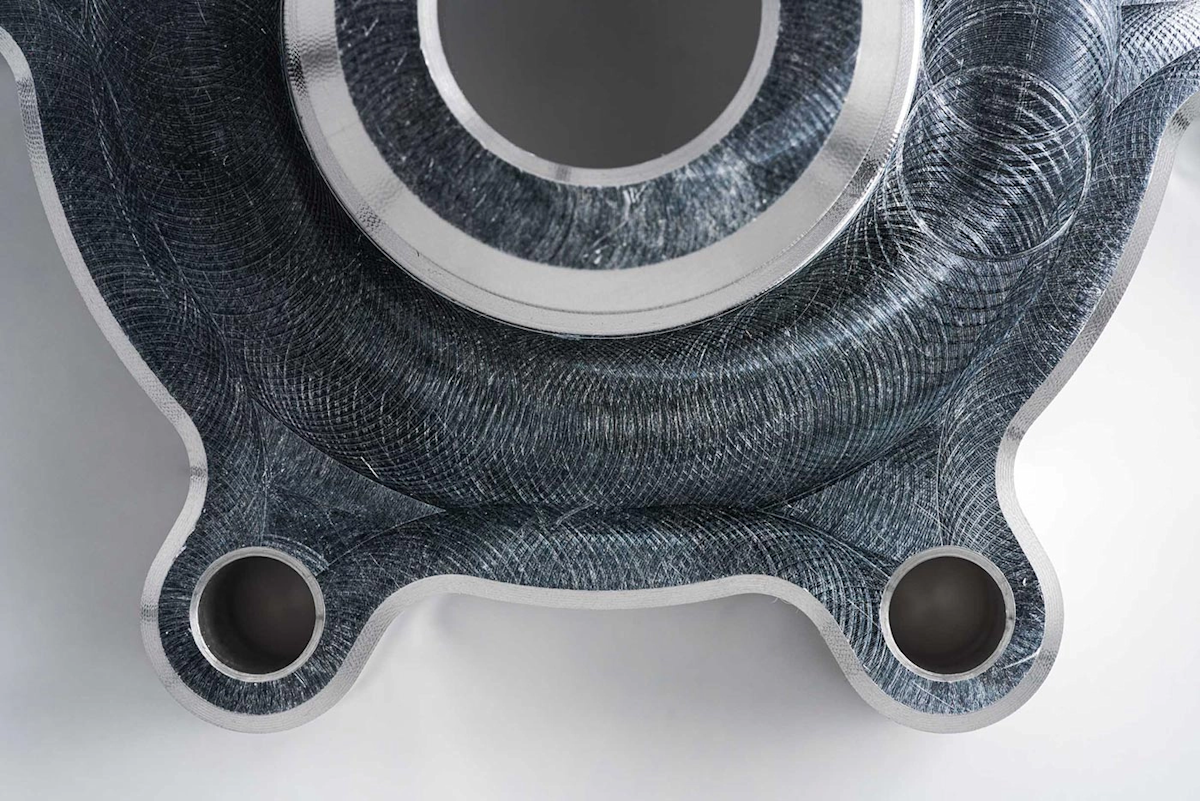
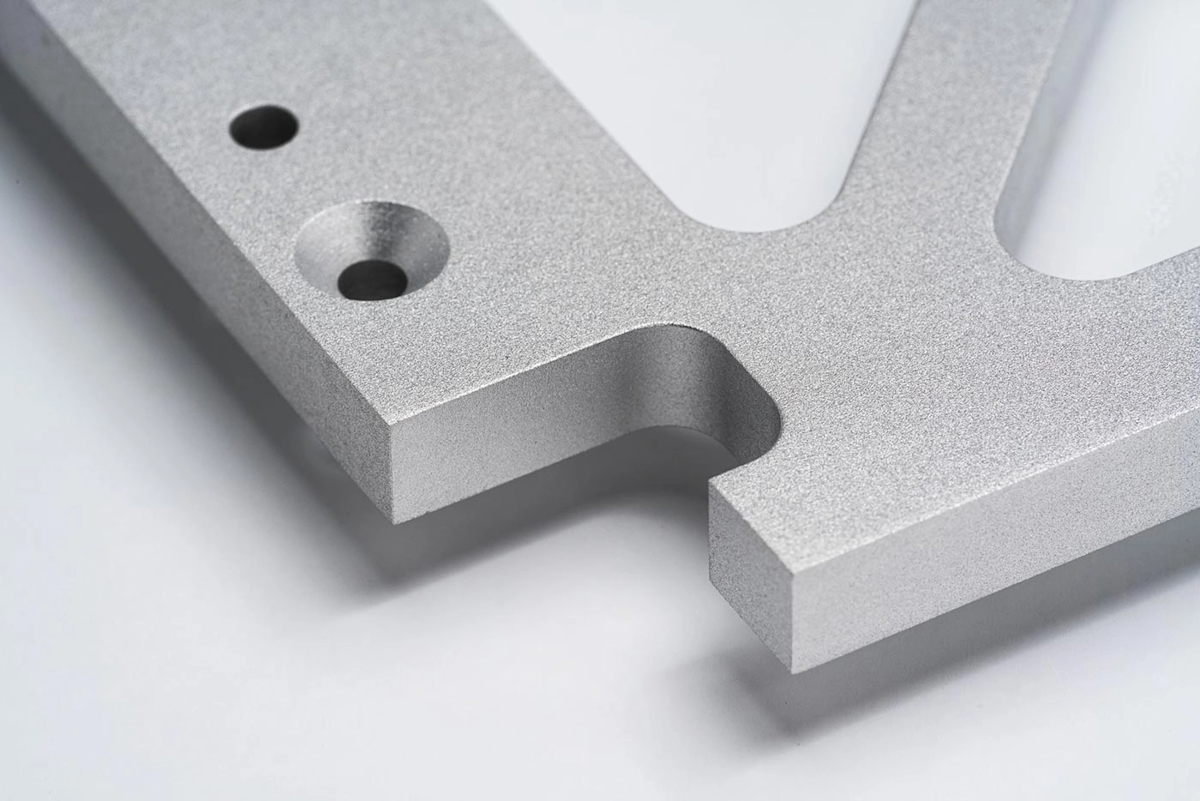
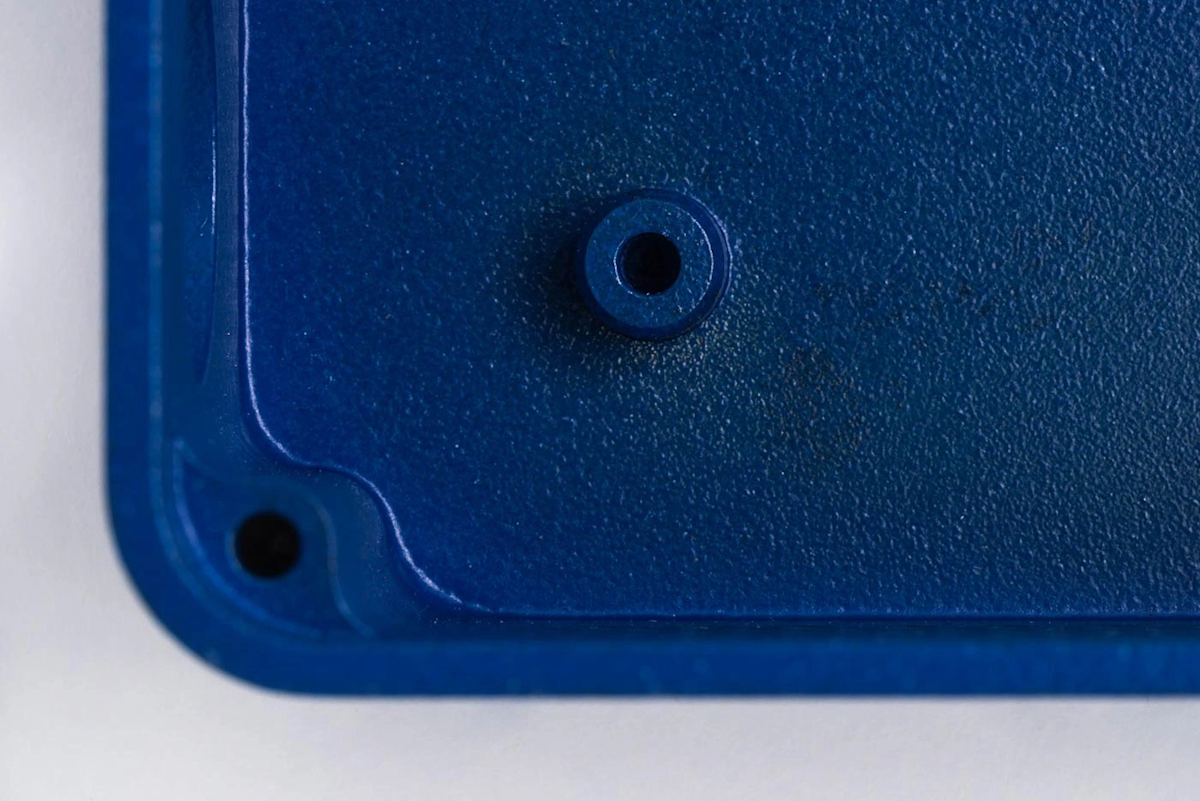
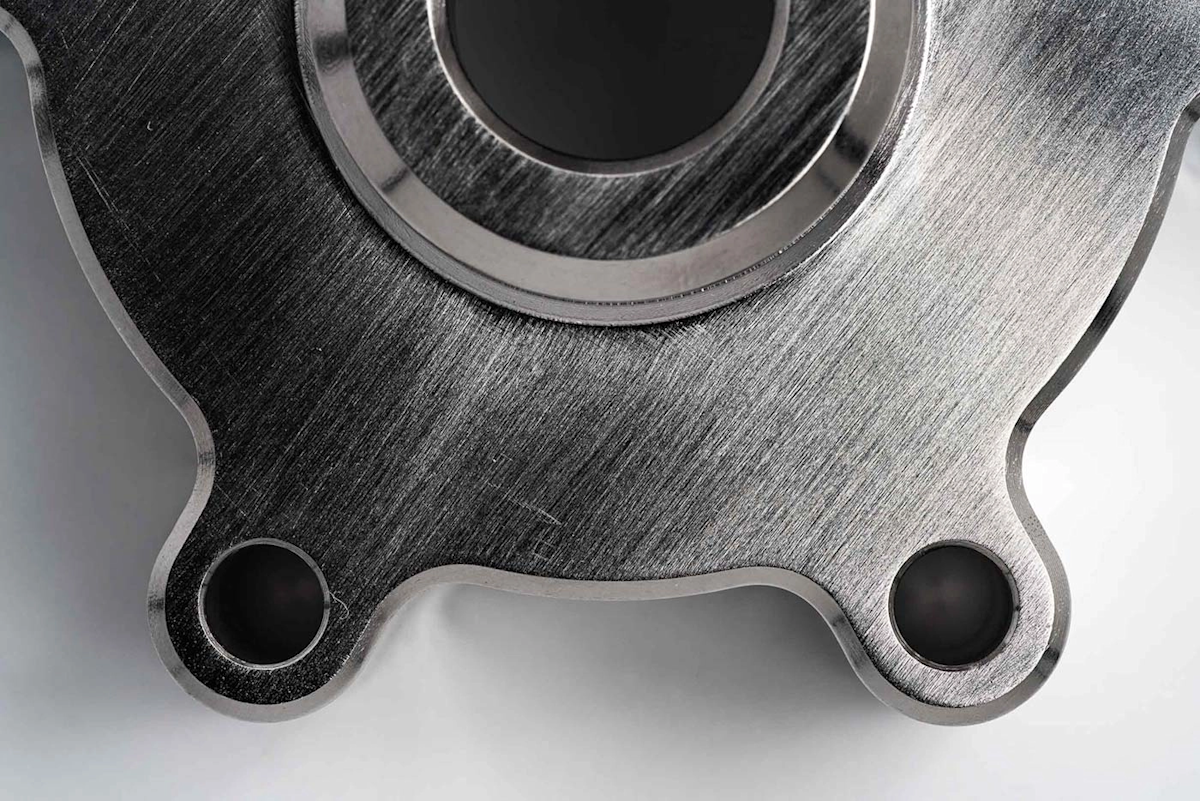
Surface Finishes For Silicone Vacuum Casting

The surface finishing techniques that are commonly applied to silicone casted parts are:

Polishing

Polishing removes imperfections and burrs from the surface, providing a smooth, glossy finish on the molded parts.

Bead Blasting

Bead blasting creates a consistent matte surface finish that helps mask any mold lines or imperfections on quick-turn parts.

UV Coating

UV coating provides a clear protective finish to silicone cast parts, improving resistance to wear and UV light degradation.

Painting

 Painting is used for silicone cast parts that require color application, allowing for a consistent finish across large production runs.

Laser Engraving

Laser engraving adds intricate details, markings, or logos to the silicone surface, ensuring precision and durability.

Electroplating

Electroplating applies a thin metal coating, enhancing the part’s appearance, wear resistance, and corrosion protection.

Advantages

Advantages of Vacuum Casting

Vacuum casting provides manufacturers with an affordable and flexible solution for producing high-quality prototypes and small production runs.

Applications

Applications of Vacuum Casting

Vacuum casting is widely applied across industries to deliver high-quality prototypes, functional parts, and product testing solutions.

让我们共创未来

与杜维合作,塑造您的愿景

从详细的原型到大批量生产,TUOWEI 是您值得信赖的精密 CNC 加工合作伙伴。今天就联系我们,迈出简化、高质量制造解决方案的第一步。.

与我们联系!
保证在 12 小时内迅速回复
🔐 所有上传内容均安全保密

What is the process of Vacuum Casting?

The vacuum casting process blends precision and craftsmanship, turning a single master model into multiple flawless replicas with speed, accuracy, and remarkable surface quality.

Master Model Creation

The process starts with a high-quality master model, usually made using CNC machining or 3D printing. This model serves as the template, capturing all the fine details that will be reproduced in the final parts.

Silicone Mold Making

The master model is placed in a casting frame and surrounded by liquid silicone rubber. Once the silicone cures, it is cut open to form a cavity that perfectly matches the shape of the master model.

Mold Preparation

The silicone mold halves are reassembled and placed in a vacuum chamber. This step removes any trapped air, ensuring the resin will fill every detail without bubbles or voids.

Resin Pouring Under Vacuum

A polyurethane resin is mixed and poured into the mold while under vacuum conditions. The vacuum ensures the resin spreads evenly, capturing sharp edges and fine textures accurately.

Curing

The filled mold is placed in an oven for controlled heating, typically for 2–4 hours. It allows the resin to harden and achieve its intended strength and durability.

Demolding

Once cured, the silicone mold is opened carefully to remove the finished part. Each mold can usually produce between 15–25 parts before losing its precision.

Finishing

The part is cleaned, trimmed, and given any necessary surface finishes such as painting, polishing, or texturing, making it ready for functional use or display.

What Are The Challenges in Vacuum Casting?

Vacuum casting can produce parts with injection-mold–like quality for short runs, but factors like mold wear and resin behavior can affect cost, accuracy, and production time.

Limited Mold Lifespan

Silicone molds in vacuum casting have a relatively short service life, usually producing only 15–25 parts before they lose precision. Over time, the mold surface wears out, affecting detail accuracy and surface finish quality. This makes the process best suited for small-batch runs.

Material Limitations

Vacuum casting mainly uses polyurethane resins, which can imitate the appearance and feel of common plastics. However, they can’t fully replicate the mechanical properties of high-performance engineering materials like PEEK or fiber-reinforced polymers, limiting their use in demanding applications.

Shrinkage and Dimensional Variations

During the curing process, polyurethane resins shrink slightly around 0.2–0.5%. If designers don’t account for this, it can result in parts that are slightly smaller or off-spec, requiring adjustments in the master model.

Detail Degradation Over Time

As silicone molds are reused, fine textures and sharp edges gradually degrade. This loss of detail affects both the functional precision and the visual appeal of the parts, especially for designs that rely on intricate patterns.

Time Constraints for Complex Designs

Complex parts may require additional mold-making steps, vacuum cycles, or finishing work. These extra processes can extend lead times, particularly for intricate geometries or multi-part assemblies.

Tuowei Proto 的解决方案

无论您是创建小批量定制零件,还是扩大规模进行大批量生产,拓威 Proto 服务都能为您提供所需的灵活性。.

快速原型制作

数控快速原型加工是创建工程或生产原型的完美选择,这些原型在外观和功能上都与最终产品非常相似。在拓维,我们提供即时报价和快速交付,为您提供精确、高质量的 CNC 加工原型,以满足您的需求。.

小批量生产

小批量数控加工通常是新兴产品从原型设计到批量生产之间的桥梁。有了拓威,这一过程变得更加简单、高效和经济,使您能够在保持高质量标准的同时迅速扩大生产规模。.

最终用途 生产

数控生产加工是高效生产千件或更多零件的最佳解决方案。拓威利用多样化的材料选择、自动化和多轴加工能力,实现了大批量生产,具有公差小、尺寸精度高、可靠性高和周转时间短等特点。.

探索洞察与创新

了解拓威团队的专业技巧、行业趋势和精密制造见解,保持领先地位。阅读我们的最新博客,获取有价值的知识,了解我们如何塑造数控生产的未来。.

与我们联系!
保证在 12 小时内迅速回复
🔐 所有上传内容均安全保密