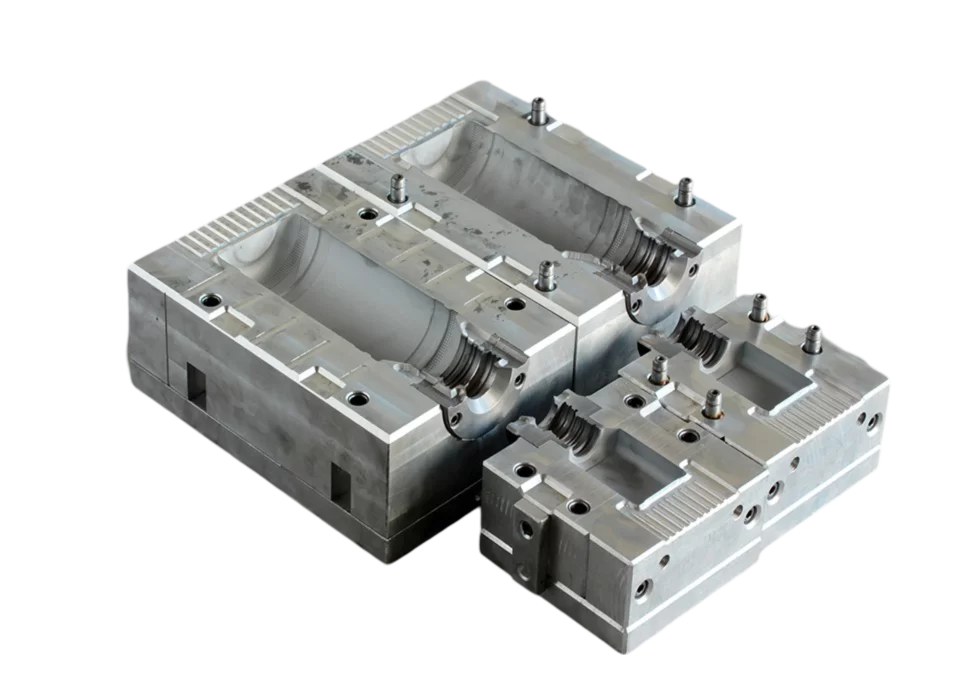
注塑模具的设计由多个因素决定。零件的几何形状、尺寸和复杂程度会直接影响模具特征,包括冷却通道和浇口系统。塑料材料的类型会影响收缩率、流动性和对模具的磨损,从而影响材料选择和设计细节。高精度零件要求更严格的公差,而顶出系统必须在不造成损坏的情况下安全脱模。浇口位置和类型会影响流动性、表面光洁度和循环时间。最后,带有底切或复杂形状的零件可能需要侧面动作或升降器,从而增加了模具的复杂性和总成本。.
Expert injection mold tooling solutions for precise, high-quality custom injection molds. From prototype tooling to production molds, TOUWEI delivers outstanding mold craftsmanship to produce superior plastic parts.
TUOWEI Precision creates injection molded parts with unmatched accuracy and innovation. Our custom tooling solutions are designed to meet the exact needs of your project, ensuring reliable performance and long-term success. We collaborate closely with you to understand every detail of your requirements, then engineer precise mold designs that bring your concepts to life.
Our skilled technicians manage all aspects of mold fabrication, from simple prototypes to complex production tools. With cost-effective solutions, rapid lead times, and ISO-certified quality standards, we help you accelerate product development and achieve market readiness faster. Whether you need prototype tooling or high-volume production molds, TUOWEI Precision is your trusted partner for advancing plastic part manufacturing.

TUOWEI Precision provides diverse mold tooling options, tailored for your unique applications and production requirements.
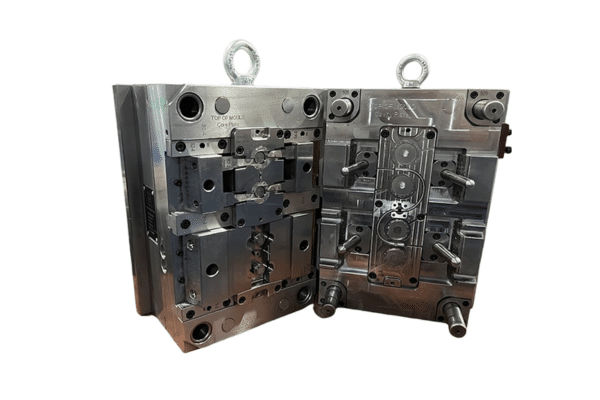
Produce low-volume plastic parts cost-effectively with single cavity molds, ensuring precision and better process control.
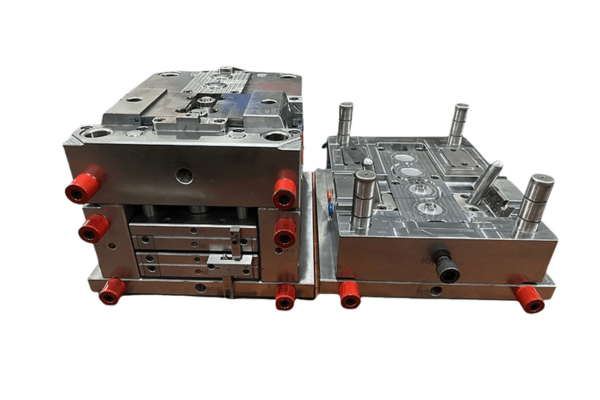
Achieve high-volume production efficiently with multi-cavity molds, reducing unit costs and optimizing cycle times significantly.
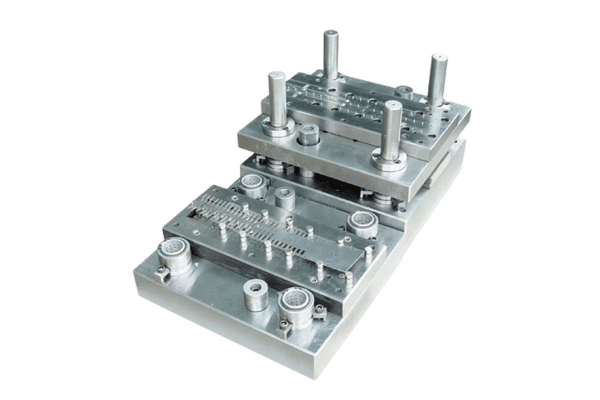
Boost molding productivity with stack molds, enabling multi-component assemblies while reducing part cost effectively.
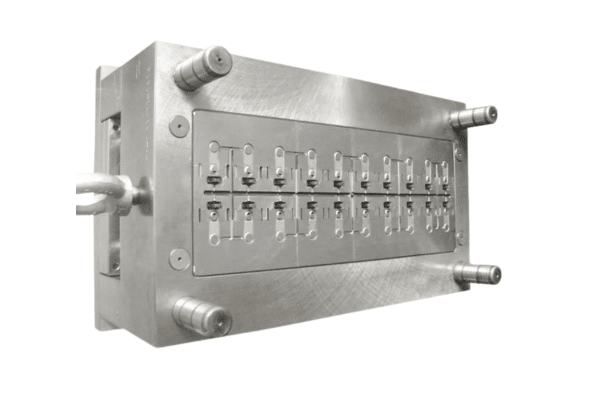
Combine two plastics seamlessly using 2K molds, creating durable, cost-efficient products in a single process.
Obtain quick design validation and functional testing with our advanced prototype tooling solutions. We deliver small batches of molded parts within days, helping you assess performance and market potential. Using cost-effective aluminum tooling, we minimize risks while providing reliable prototypes before scaling to full production.
Our production tooling is built for long-lasting performance and high-volume manufacturing. Crafted from premium tool steel, these molds support the production of hundreds of thousands of parts with precision. We adapt tooling materials and construction methods to fit your project’s unique specifications.
We manufacture accurate custom injection molds using premium materials and advanced processes. Our expertise guarantees consistent results, quick lead times, and cost-effective solutions for diverse applications. Each mold complies with international standards, ensuring reliability. From prototypes to production tooling, we deliver durable and precise mold tools.
| Injection Molding Service | Tolerance |
|---|---|
| Standard Injection Molding | ±0.005" (±0.127 mm) |
| Precision Molding | ±0.003" (±0.076 mm) |
| Rapid Prototyping Molding | ±0.005" (±0.127 mm) |
These are the surface finishing techniques for Quick Turn Injection Molding to accelerate production while maintaining quality:
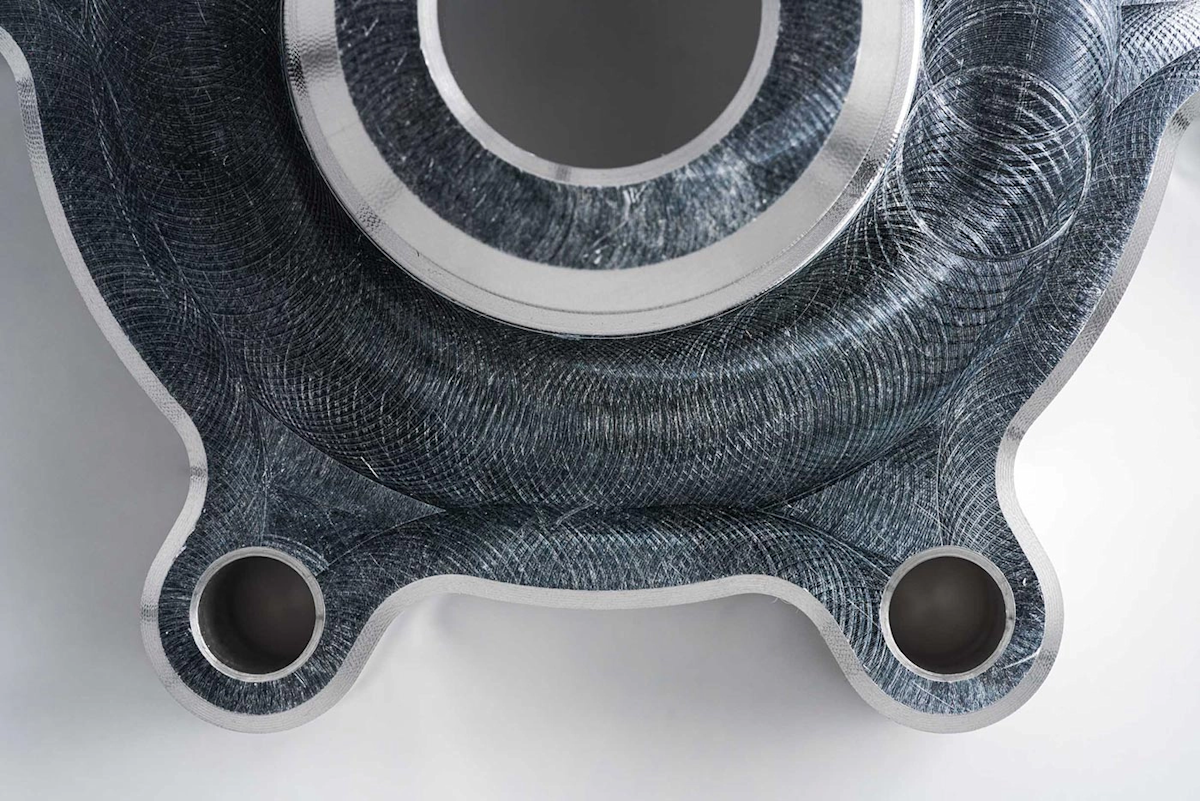
Polishing removes imperfections and burrs from the surface, providing a smooth, glossy finish on the molded parts.
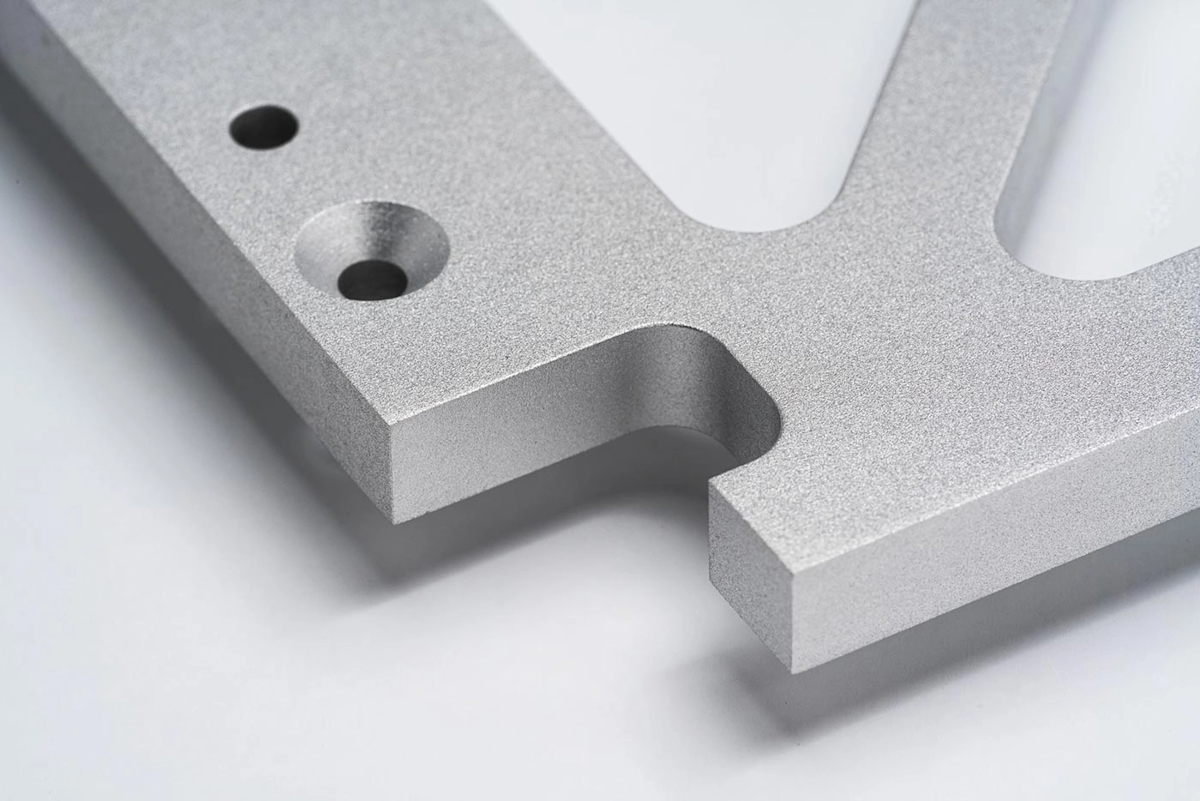
Bead blasting creates a consistent matte surface finish that helps mask any mold lines or imperfections on quick-turn parts.
Texturing adds visual appeal and grip to the surface of the part, commonly used for quick-turn consumer goods with tactile requirements.
Laser engraving is used for precise marking or part identification, allowing for high-speed production without compromising quality.
Vibratory finishing is used to smooth rough edges and surfaces, ensuring quick-turn molded parts meet both aesthetic and functional standards.
Plasma treatment ensures the part’s surface is free of contaminants and enhances adhesion properties, ideal for quick-turn molded parts.
Engineers and leading manufacturers trust TUOWEI for fast iterations and durable, high-performance parts. Whether for prototyping or full-scale production, our extensive material selection ensures precision, strength, and reliability for any CNC machining project.
17-4 PH
316L
304L
420
430
A2
D2
H13
M2
Ti-6Al-4V
Ti-64
Ti-15V-3Cr-3Sn
Bronze (CuSn)
Brass (CuZn)
CuNi
Inconel (625, 718)
Monel
Hastelloy C22
CoCr
CoNiCr
Soft Magnetic Alloys (Fe-Si, Fe-Ni)
2011
2024
6061
7075
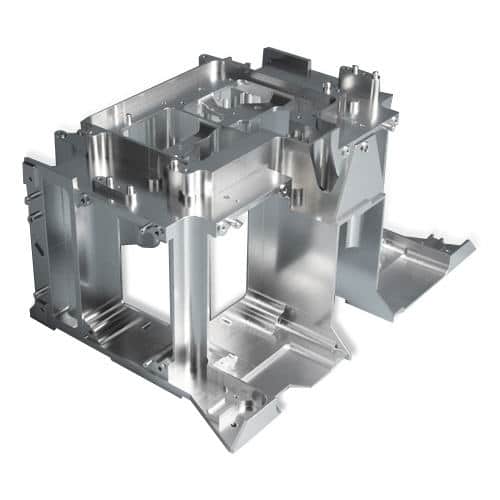
With Tuowei Precision’s CNC milling service, you’re not just investing in advanced machinery. You’re gaining the assurance of flawless precision, commitment to strict timelines, and the expertise of skilled professionals dedicated to meeting your needs.
Tuowei Precision’s ISO-certified CNC machining guarantees exceptional accuracy and quality. Every part is crafted for perfect fit and flawless performance, with rigorous quality control at each stage.
Stay on schedule with Tuowei Precision. Our state-of-the-art equipment and local workshops deliver rapid production to meet your tight deadlines.
Rely on our team for comprehensive CNC machining support. Our experts are available to optimize design efficiency and ensure top-quality results at every step.
Plastic injection molding is an efficient and flexible method for producing precise and detailed plastic parts.
Prototype tooling plays a crucial role in streamlining product development, providing a fast and cost-effective bridge from concept to functional prototype. Its main benefits include:
从详细的原型到大批量生产,TUOWEI 是您值得信赖的精密 CNC 加工合作伙伴。今天就联系我们,迈出简化、高质量制造解决方案的第一步。.
The production of an injection mold tool involves several precisely executed stages that transform a digital design into a high-performance mold. Each phase plays a crucial role in achieving durability, accuracy, and efficiency.
Engineers create a 3D CAD model and conduct mold flow analysis to prevent defects before production begins. This stage defines part geometry, cooling systems, and overall mold performance.
Key Features:
Choosing the right material impacts mold cost, lifespan, and cycle count. High-volume production requires hardened steel, while prototypes may use aluminum.
Key Features:
CNC milling shapes the core and cavity with high precision, while EDM creates intricate details. This stage achieves tolerances as fine as ±0.005 mm.
Key Features:
Heat treatment hardens the mold to improve wear resistance. It ensures the mold withstands high pressures over long production runs.
Key Features:
The mold surface is polished or textured based on the product’s needs. It affects part appearance, ejection, and defect prevention.
Key Features:
All mold components are fitted together with micron-level alignment. Proper assembly ensures smooth operation and defect-free parts.
Key Features:
Initial trials detect and correct molding issues before full production. Adjustments are made until final part accuracy is achieved.
Key Features:
The finished mold undergoes thorough inspection and documentation. It’s then shipped with maintenance guidelines to extend its lifespan.
Key Features:
Injection mold tools come in several designs, each tailored to different production volumes, part complexities, and cost considerations.
Here’re the five main types of mold tools used in modern manufacturing.
A single cavity mold produces one part per molding cycle, making it ideal for low-volume production or specialized parts. This design offers lower tooling costs, easier maintenance, and faster design-to-production timelines, but it’s less efficient for large-scale manufacturing.
Multi-cavity molds contain two or more cavities, producing multiple identical parts in one cycle. They are perfect for high-volume production, as they significantly reduce cycle times and per-unit costs, though they require higher initial investment and more complex mold design.
Family molds have different cavities within the same mold, allowing the production of multiple part shapes or sizes simultaneously. They are cost-effective for assemblies with multiple components, but require careful balance in cooling and material flow to ensure consistent part quality.
Hot runner molds use heated channels to deliver molten material directly into the cavities, reducing waste and cycle time. Cold runner molds, on the other hand, use unheated channels, which are simpler and less expensive but produce more material waste and require additional trimming.
Overmold molds allow one material to be molded over another, enabling soft-touch grips or multi-material designs. Insert molds involve placing a pre-formed part (such as a metal insert) into the mold before injection, ideal for producing components with integrated hardware.
无论您是创建小批量定制零件,还是扩大规模进行大批量生产,拓威 Proto 服务都能为您提供所需的灵活性。.
数控快速原型加工是创建工程或生产原型的完美选择,这些原型在外观和功能上都与最终产品非常相似。在拓维,我们提供即时报价和快速交付,为您提供精确、高质量的 CNC 加工原型,以满足您的需求。.
小批量数控加工通常是新兴产品从原型设计到批量生产之间的桥梁。有了拓威,这一过程变得更加简单、高效和经济,使您能够在保持高质量标准的同时迅速扩大生产规模。.
数控生产加工是高效生产千件或更多零件的最佳解决方案。拓威利用多样化的材料选择、自动化和多轴加工能力,实现了大批量生产,具有公差小、尺寸精度高、可靠性高和周转时间短等特点。.
了解拓威团队的专业技巧、行业趋势和精密制造见解,保持领先地位。阅读我们的最新博客,获取有价值的知识,了解我们如何塑造数控生产的未来。.
影响注塑模具设计的因素有哪些?
注塑模具的设计由多个因素决定。零件的几何形状、尺寸和复杂程度会直接影响模具特征,包括冷却通道和浇口系统。塑料材料的类型会影响收缩率、流动性和对模具的磨损,从而影响材料选择和设计细节。高精度零件要求更严格的公差,而顶出系统必须在不造成损坏的情况下安全脱模。浇口位置和类型会影响流动性、表面光洁度和循环时间。最后,带有底切或复杂形状的零件可能需要侧面动作或升降器,从而增加了模具的复杂性和总成本。.
注塑模具为何如此昂贵?
注塑模具因材料、精度和劳动力的综合因素而成本高昂。模具通常由优质钢材或铝材制成,其中钢材因其耐用性更适合长期生产。制造过程本身很复杂,涉及数控加工、放电加工(EDM),有时还需要手工抛光。要达到汽车、航空航天和医疗等行业所要求的严格公差,需要熟练的技术人员和先进的设备,这也增加了成本。此外,每个模具都是为特定产品定制设计的,需要详细的工程设计来处理零件几何形状、冷却和顶出系统。这些因素加在一起使注塑模具成为一项重大投资。.