激光切割

High-precision laser cutting solutions for custom metal and plastic parts. TOUWEI delivers exceptional laser cut parts with quick turnaround times and superior edge quality.

Cost-Effective Custom Laser Cut Parts

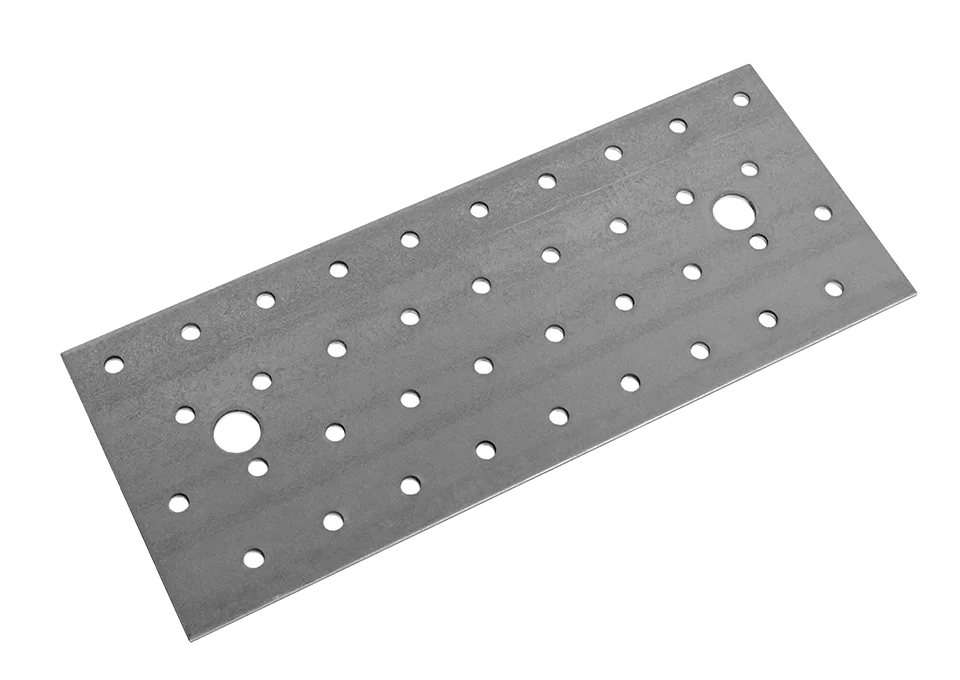
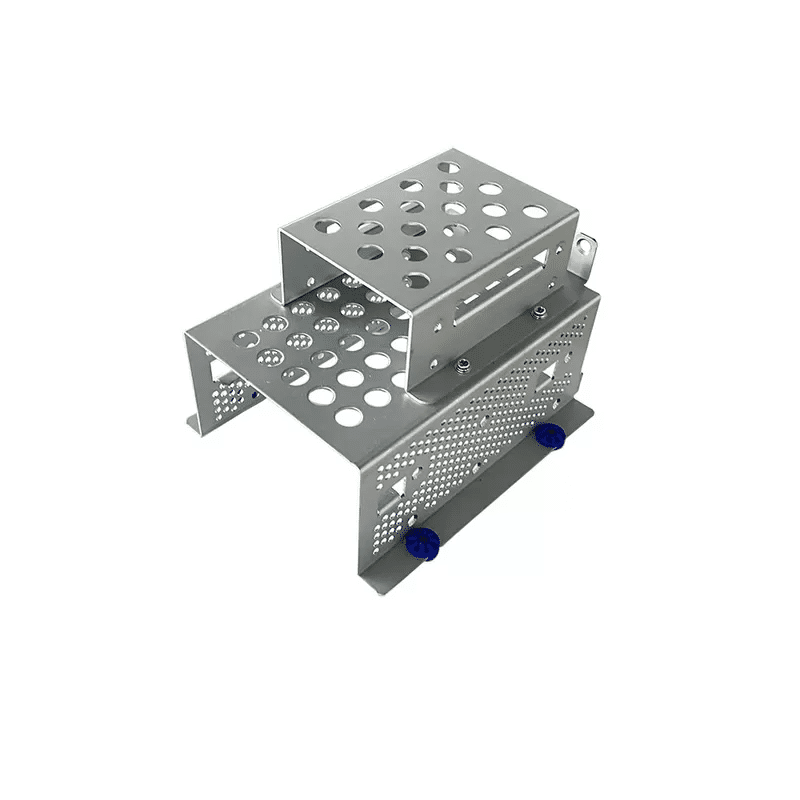
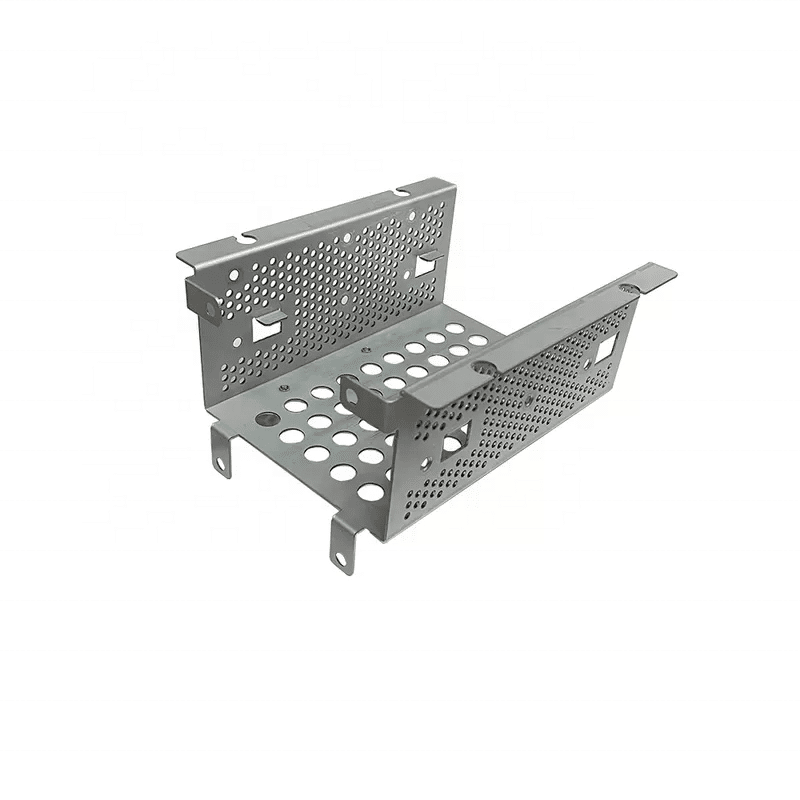
TUOWEI Precision provides online custom laser cutting services for a wide range of materials, including metals, plastics, rubber, foam, and wood. Our service delivers a cost-effective, on-demand solution for all manufacturing needs, whether for prototypes, low-volume batches, or high-volume production runs. We support numerous material types, such as steel, aluminum, acrylic, and other engineering-grade plastics. Using your 3D CAD files—including STEP, STP, SLDPRT, DXF, IPT, PRT, or SAT formats—you can receive an instant quote through our user-friendly quoting system. The quoted price is transparent, including tariffs and standard shipping for prototypes, ensuring there are no hidden costs.

An Overview of Laser Cutting


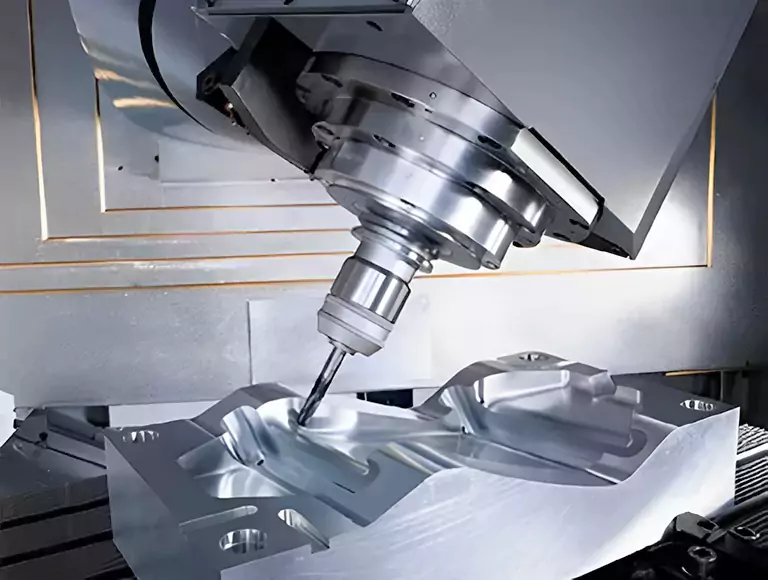
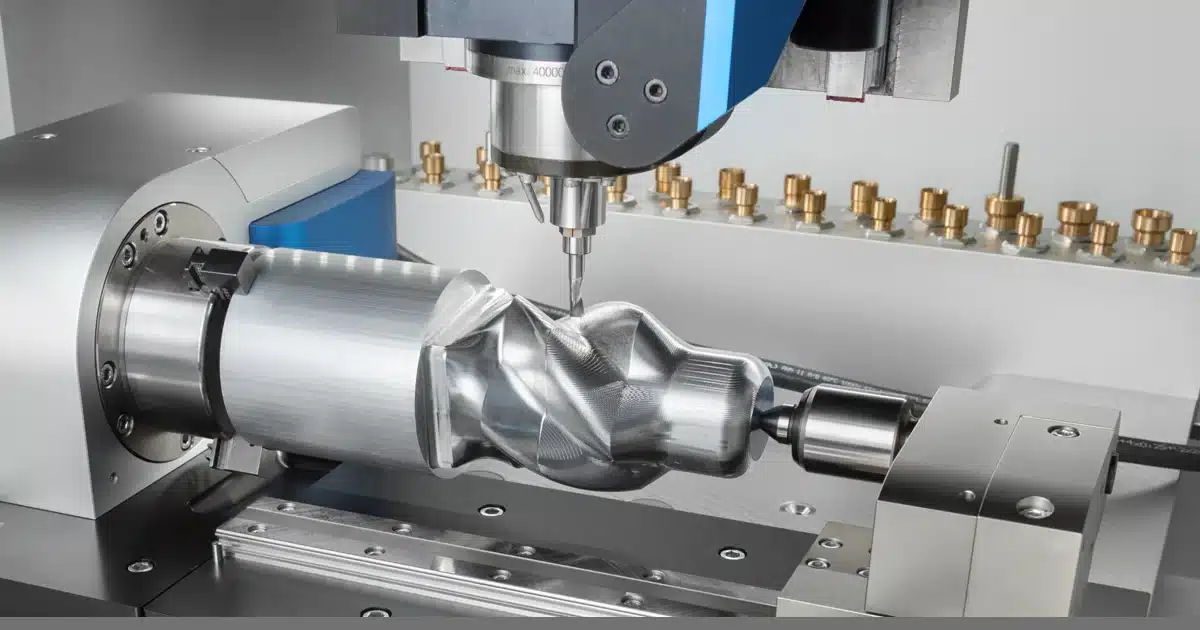
Laser cutting directs a high-powered laser through specialized optics to precisely cut materials for industrial applications. Compared to plasma cutting, laser cutting is more accurate and consumes less energy, though it has limitations on material thickness. A laser cutting machine is a type of CNC system that uses a focused, high-powered laser beam to process materials. While commonly used for industrial sheet metal and precision welding, laser cutters are also effective on materials such as plastic, rubber, glass, wood, and aluminum.

The Laser Cutting Process
Laser cutting machines employ focusing optics to concentrate electrical energy into a high-density light beam. CNC systems control either the laser beam or the workpiece to ensure precision. During processing, the material is melted, burned, vaporized, or removed using a jet of oxygen or nitrogen, creating clean cuts and intricate designs with minimal material waste.

Types of Laser Cutters at TUOWEI Precision

TUOWEI Precision’s laser cutting facility is equipped with advanced machinery capable of handling diverse materials with high precision and efficiency.

Fiber Laser Cutting

Our fiber laser cutters deliver exceptional accuracy with minimal setup time, ideal for reflective metals. They provide high energy efficiency and rapid cutting speeds, making them perfect for both custom projects and high-volume metal cutting applications.

CO2 Laser Cutting

CO2 laser cutters at TUOWEI Precision efficiently process a wide variety of materials, including metals, plastics, and wood. The fine laser beam allows for clean cuts and intricate detailing, ensuring superior quality for your laser-cut parts.

Nd:YAG Laser Cutting

Nd:YAG laser cutters are designed for high-power applications, capable of cutting thick and hard materials. TUOWEI Precision uses Nd:YAG lasers for tasks requiring extreme precision and deep cutting, suitable for complex industrial components and advanced design challenges.

Surface Finishes for Laser Cutting

Surface finishing for laser cutting enhances part quality by improving durability, corrosion resistance, and appearance, ensuring precision components meet both performance and aesthetic standards.

As-Milled
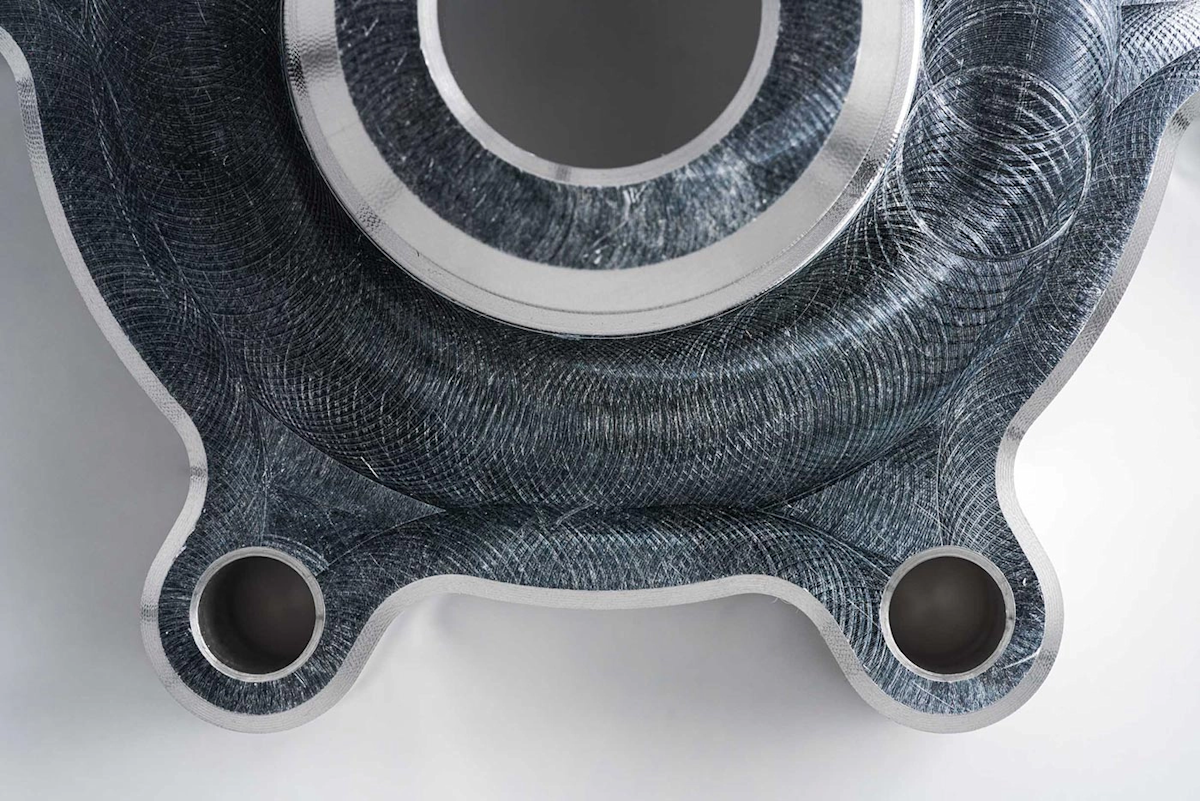
A standard finish with visible tool marks; surface roughness ~125 µin Ra, ideal for functional applications where a smooth finish is not critical.
Bead Blasting
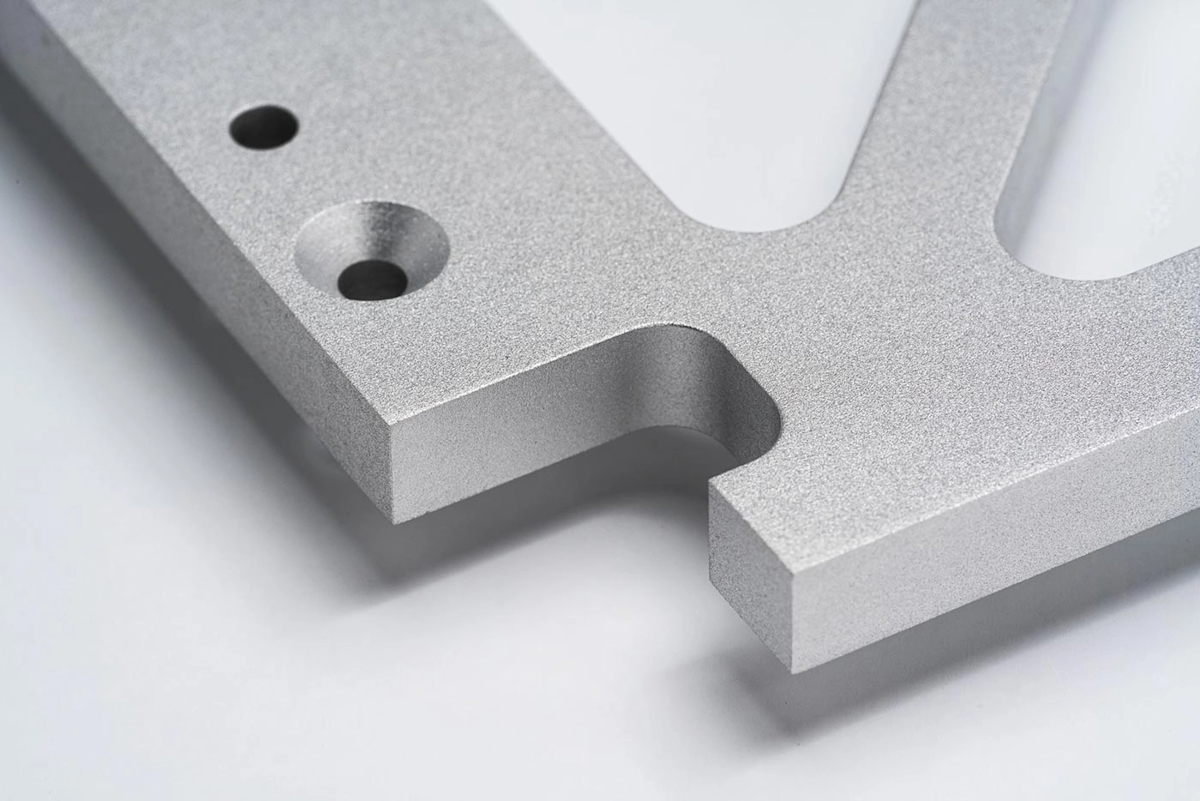
A process that creates a smooth, matte finish by propelling media (like glass beads) at the surface, improving texture and providing an aesthetically pleasing, uniform surface.
Powder Coating
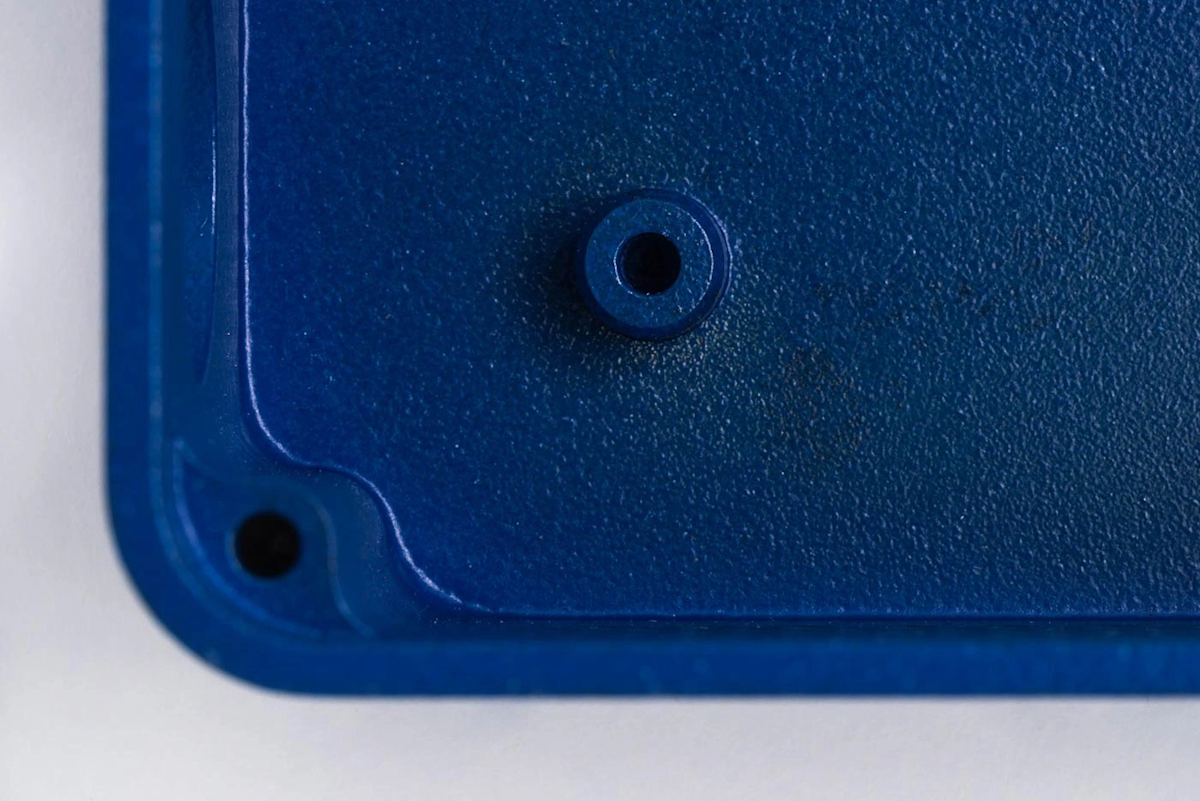
This durable finish offers excellent resistance to wear, corrosion, and UV exposure.
Brushing
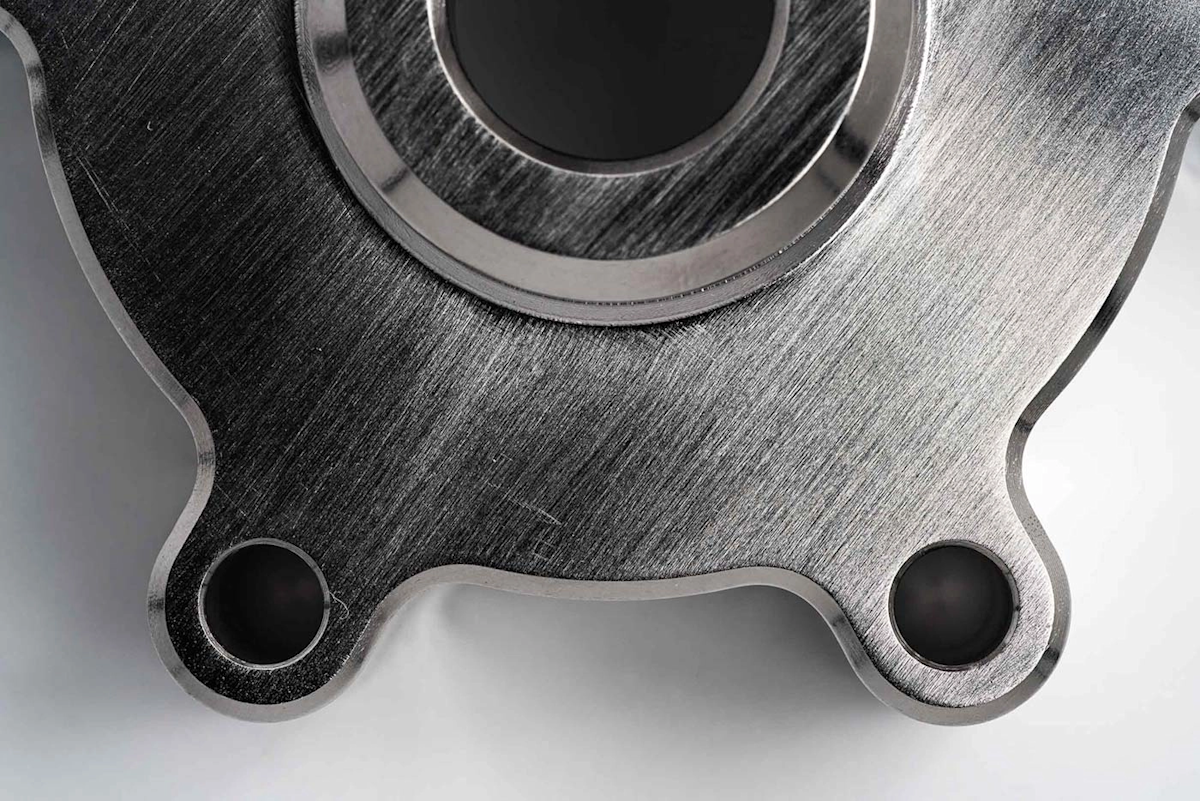
A linear, uniform grain texture is applied to parts, creating a satin-like finish.
Polishing
Achieves a high-gloss, mirror-like surface that enhances the visual quality of the part.
Black Oxide
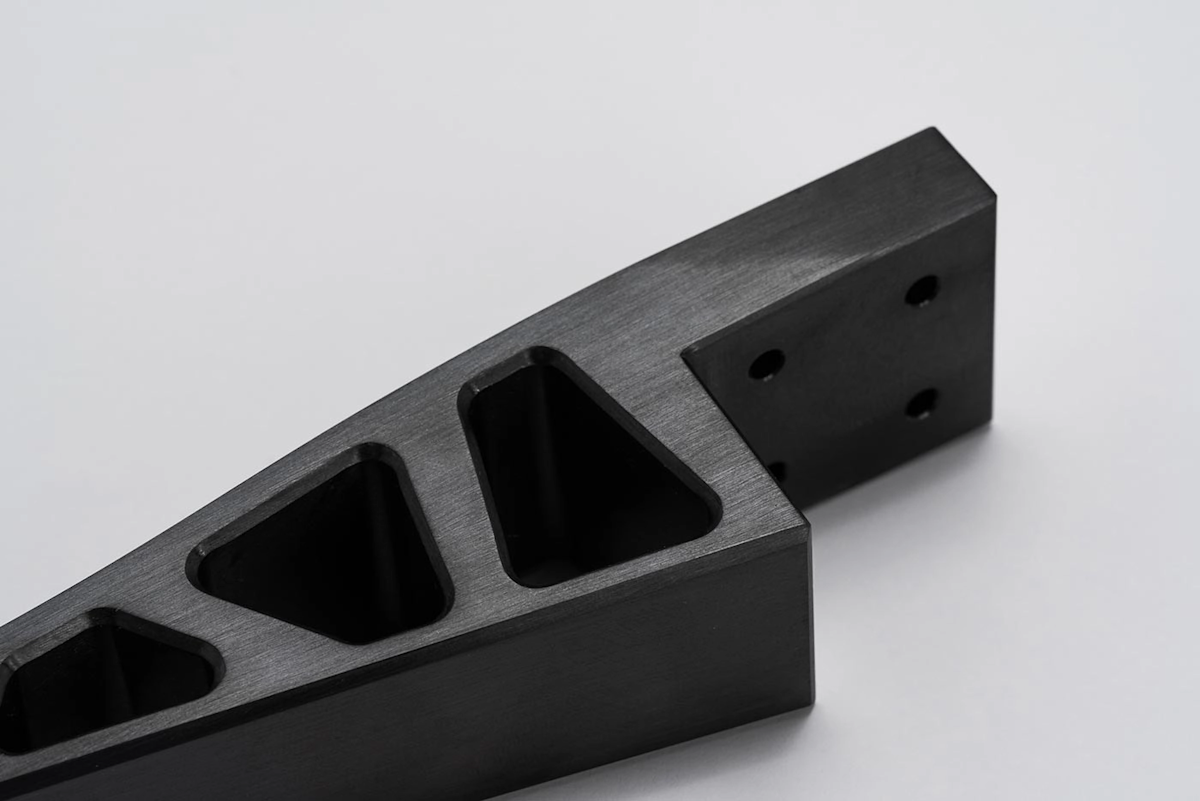
Ideal for steel components, this dark, matte finish provides mild corrosion resistance while maintaining a high-quality appearance.

Laser Cutting Capabilities

Tuowei offers precision laser cutting services that follow international standards to ensure accuracy, durability, and efficiency. Our advanced equipment and expertise allow us to handle diverse materials and complex designs with consistent quality.

Description Specification
Maximum Part Size 10 mm (0.40 in.)
Minimum Part Size 2 × material thickness with a minimum of 1 mm (0.04 in.)
Distance Dimensions Based on ISO 2768-c. Typical size: ±0.2 mm (0.008 in.) for length, width, diameter, and location
Maximum Material Thickness Carbon steel < 25 mm (0.98 in.)
Stainless steel < 15 mm (0.59 in.)
Aluminum < 15 mm (0.59 in.)
Copper < 12.7 mm (0.5 in.)
Kerf (Slit Size) About 0.5 mm (0.02 in.)
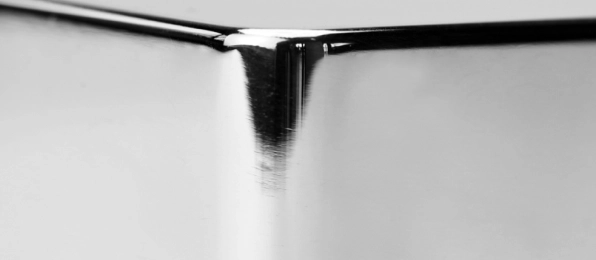
Edge Condition Matte finish with visible vertical lines
Laser Sources CO₂ and fiber lasers, up to 10 kW
Repeatability ±0.05 mm (0.002 in.)
Positioning Accuracy ±0.10 mm (0.004 in.)
Lead Time 5–7 days

With Tuowei Precision’s CNC milling service, you’re not just investing in advanced machinery. You’re gaining the assurance of flawless precision, commitment to strict timelines, and the expertise of skilled professionals dedicated to meeting your needs.

Choose Us

Why
/01

High Quality Parts

Tuowei Precision’s ISO-certified CNC machining guarantees exceptional accuracy and quality. Every part is crafted for perfect fit and flawless performance, with rigorous quality control at each stage.

/02
Fast Turnaround

Stay on schedule with Tuowei Precision. Our state-of-the-art equipment and local workshops deliver rapid production to meet your tight deadlines.

/03
Expert Engineering Support

Rely on our team for comprehensive CNC machining support. Our experts are available to optimize design efficiency and ensure top-quality results at every step.

Advantages

Advantages of Laser Cutting

The advantages of using laser cutting technology are numerous and highly valuable across different industries.

Applications

Applications of Laser Cutting

Laser cutting is applied across a wide variety of sectors, producing both functional and decorative components.

让我们共创未来

与杜维合作,塑造您的愿景

从详细的原型到大批量生产,TUOWEI 是您值得信赖的精密 CNC 加工合作伙伴。今天就联系我们,迈出简化、高质量制造解决方案的第一步。.

与我们联系!
保证在 12 小时内迅速回复
🔐 所有上传内容均安全保密

What Are the Main Types of Laser Cutting Machines?

Laser cutting machines come in several specialized types, each designed to deliver optimal speed, precision, and material compatibility for different industrial needs.

CO₂ Laser Cutting

CO₂ laser machines generate a focused infrared beam (10.6 µm wavelength) by exciting a gas mixture of carbon dioxide, nitrogen, and helium. They are ideal for cutting, engraving, and marking non-metallic materials like wood, acrylic, leather, plastics, and paper. In favorable conditions, they achieve speeds of 20–30 m/min with precision around ±0.1 mm. Industries use CO₂ lasers for signage, architectural models, decorative panels, and packaging prototypes.

  • Best for: High-quality engraving and non-metal applications.
  • Key limitation: Limited performance with reflective metals.

Fiber Laser Cutting

Fiber lasers use rare-earth-doped optical fibers (commonly ytterbium) to produce a 1.06 µm wavelength, which metals absorb efficiently. They excel at cutting stainless steel, carbon steel, aluminum, brass, copper, and titanium—handling up to 30 mm thickness with high precision. At power levels of 12–20 kW, cutting speeds for thin metals can exceed 40 m/min. They are widely used in automotive manufacturing, aerospace, and electronics fabrication.

  • Best for: Fast, high-precision cutting of metals up to industrial thicknesses.
  • Not ideal for: Plastics, wood, or acrylics.

Nd:YAG Laser Cutting

Nd:YAG lasers (Neodymium-doped Yttrium Aluminum Garnet) operate at 1.064 µm and can be run in pulsed or continuous modes. Known for their high peak power, they are well-suited for cutting thicker metals, drilling, and marking high-reflectivity materials such as gold and copper. Applications include jewelry manufacturing, precision medical devices, and micro-machining.

  • Best for: Precious metals and specialized high-reflectivity materials.
  • Key advantage: Handles applications where other lasers struggle with reflectivity.

Hybrid Laser Systems

Hybrid systems combine the strengths of multiple laser technologies, CO₂ and fiber, into one flexible machine. This allows manufacturers to switch between sources for high-speed metal cutting or fine engraving on non-metals. By adapting beam properties to each material, hybrid lasers are ideal for varied manufacturing needs.

  • Best for: Shops handling both metals and non-metals in a single workflow.
  • Key benefit: Eliminates the need for separate machines for different materials.

What Are the Environmental Impacts of Laser Cutting?

Laser cutting is often seen as a cleaner, more precise alternative to traditional cutting methods, but it still has an environmental footprint. Understanding its energy use, emissions, and sustainability practices can help manufacturers make greener choices.

Energy Consumption

Laser cutting machines, especially high-power fiber and CO₂ systems, can consume 3 to 12 kW per hour depending on material and thickness. Fiber lasers are up to 30% more energy-efficient than CO₂ models, but prolonged operation still impacts overall energy use. Efficient power management and optimized cutting paths help reduce this footprint.

Emissions and Air Quality

Cutting plastics, composites, or coated metals can release fumes and particulate matter. Without proper filtration, these emissions can harm indoor air quality and worker health. Most modern setups use fume extraction and HEPA filtration systems to meet environmental and safety standards.

Material Waste Reduction

Laser cutting produces a narrow kerf width, often less than 0.5 mm, allowing parts to be nested closely and minimizing scrap. This can reduce raw material waste by up to 90% compared to traditional cutting methods, lowering both costs and environmental impact.

Eco-Friendly Advancements

Many manufacturers are turning to renewable energy, AI-driven process optimization, and closed-loop cooling systems to reduce their carbon footprint. Fiber laser technology is also favored for its lower energy use and minimal consumable requirements, making it a greener choice.

Tuowei Proto 的解决方案

无论您是创建小批量定制零件,还是扩大规模进行大批量生产,拓威 Proto 服务都能为您提供所需的灵活性。.

快速原型制作

数控快速原型加工是创建工程或生产原型的完美选择,这些原型在外观和功能上都与最终产品非常相似。在拓维,我们提供即时报价和快速交付,为您提供精确、高质量的 CNC 加工原型,以满足您的需求。.

小批量生产

小批量数控加工通常是新兴产品从原型设计到批量生产之间的桥梁。有了拓威,这一过程变得更加简单、高效和经济,使您能够在保持高质量标准的同时迅速扩大生产规模。.

最终用途 生产

数控生产加工是高效生产千件或更多零件的最佳解决方案。拓威利用多样化的材料选择、自动化和多轴加工能力,实现了大批量生产,具有公差小、尺寸精度高、可靠性高和周转时间短等特点。.

探索洞察与创新

了解拓威团队的专业技巧、行业趋势和精密制造见解,保持领先地位。阅读我们的最新博客,获取有价值的知识,了解我们如何塑造数控生产的未来。.

常见问题

激光切割

  • 激光切割的成本是多少?

    激光切割的成本受多种因素影响,包括材料的类型和厚度,因为有些材料需要更高的功率和更长的加工时间。设计的复杂程度也有影响,因为复杂的形状或详细的图案需要更多的时间来制作。订单数量也会影响定价,通常情况下,大批量生产会通过规模经济降低单件成本。此外,去毛刺、阳极氧化或粉末喷涂等任何表面处理要求都将包含在总定价中。在拓威,我们根据您的具体项目提供快速、透明的报价。.
     

  • 什么是激光切割工艺?

    激光切割的工作原理是通过透镜将高能光束照射到材料表面。光束沿着编程路径,熔化或汽化材料,以达到所需的形状。这种方法可以在金属、塑料、木材等材料上实现严格的公差、光滑的表面处理和复杂的细节处理。这是一种高效的非接触式工艺,可最大限度地减少材料浪费,并最大限度地提高精度。. 

  • 激光切割和等离子切割有什么区别?

    这两种工艺都被广泛使用,但它们满足不同的需求。激光切割使用聚焦光束熔化或蒸发材料,可提供极其精细的细节、光滑的边缘和高精度,非常适合精度和光洁度要求极高的项目。.

    相比之下,等离子切割使用离子化气体射流来切割导电金属。等离子切割速度通常比切割厚板更快,但切割出的边缘较粗糙,可能需要额外加工。等离子切割速度快,适用于重型材料,而激光切割则适用于对细节和公差要求较高的情况。.
     

  • 激光切割材料需要多长时间?

    生产时间取决于材料类型、厚度和设计复杂程度。较薄材料的简单切割只需几个小时即可完成,而较厚板材或复杂几何形状的切割则可能需要更长的时间。在拓威,我们注重优化效率,同时保持严格的质量标准。为了获得准确的交货时间,我们会对每个项目进行单独审查,并根据您的具体要求提供明确的估算。.
     

  • 除了激光切割,我还能弯曲材料吗?

    当然可以。除激光切割外,我们还提供各种精密折弯服务,如 V 形折弯、辊式折弯、旋转折弯和擦拭折弯。这些工艺可根据您的项目规格将扁平型材加工成功能部件。通过在内部将切割和折弯相结合,拓威提供高效的端到端解决方案,确保您的最终产品满足性能和设计要求。.
     

  • 您是否提供激光雕刻或蚀刻服务?

    是的,拓为可为需要详细标记、图形或文字的项目提供激光雕刻和蚀刻服务。我们技术精湛的团队可确保不同材料上的高分辨率效果,无论是功能性标识、品牌还是装饰性应用。每一个雕刻都清晰、耐用,并根据您的要求量身定制,为您的部件增加价值和视觉吸引力。.
     

  • 激光切割的最厚平板是多少?

    我们的激光切割能力适用于各种材料和厚度。对于不锈钢和铝,我们可以切割厚度达 15 毫米的材料,从而实现整洁的表面效果和结构完整性。对于碳钢,我们可加工最大 25 毫米的板材,是重型应用的理想选择。对于铜,我们的系统可以精确地处理最大 12.7 毫米的板材,因此适用于复杂和精细的项目。这种多功能性使我们能够在不影响精度的情况下满足各种制造需求。.
     

  • 激光切割服务的精确度如何?

    拓威的激光切割解决方案精度极高,切割精度达到 ±0.002 英寸,定位精度达到 ±0.004 英寸。这确保了每个部件都能与您的设计要求保持一致。从复杂的图案到可重复的生产运行,我们的激光切割技术为要求精细、可靠和完美边缘质量的行业提供支持。.
     

与我们联系!
保证在 12 小时内迅速回复
🔐 所有上传内容均安全保密