在数控铣削中,刀具偏置是用于补偿切削刀具长度和直径的调整。这种校准可确保刀具精确地切削工件,防止出现尺寸误差。通过设置精确的偏置,机械师可以确定正确的加工起点,确保零件符合精确的规格要求。正确的刀具偏置对于在整个铣削过程中保持精度、一致性和高质量结果至关重要。.
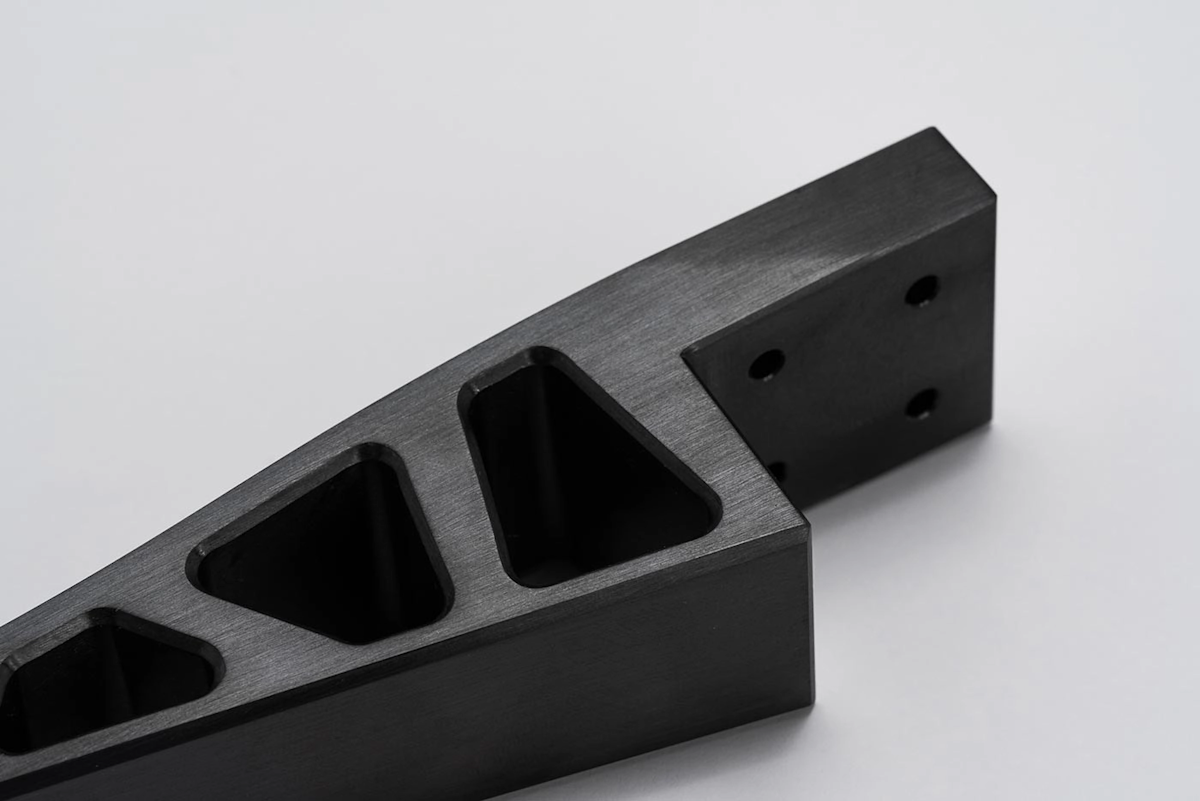
TUOWEI Precision delivers expert CNC milling services for custom metal and plastic components, providing rapid prototyping and efficient production solutions for high-precision parts with quick turnaround.
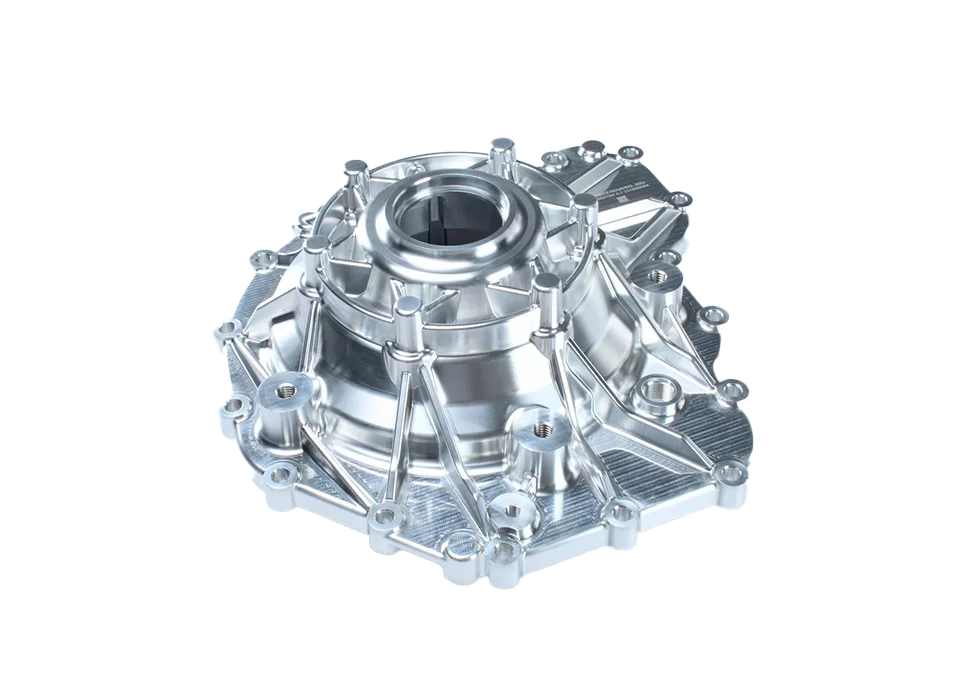
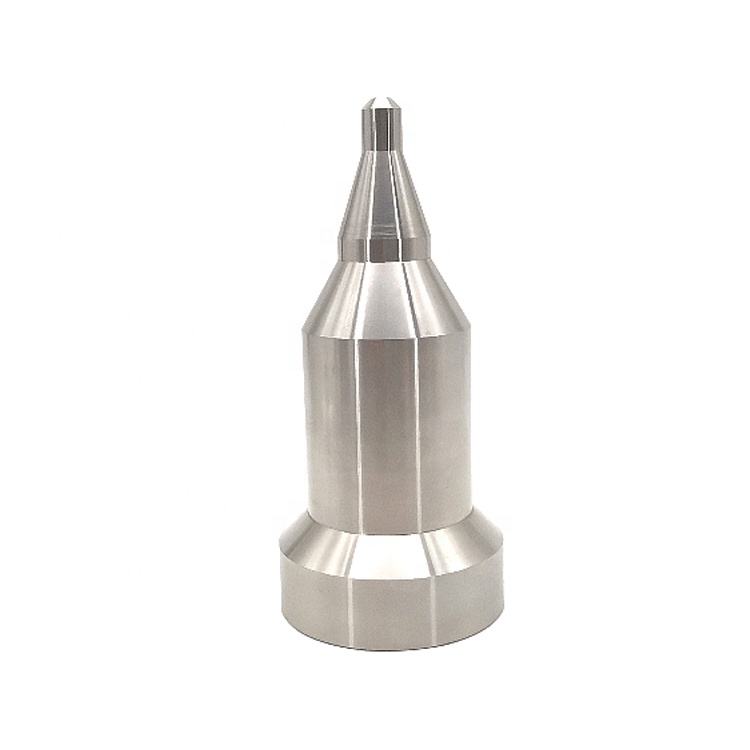
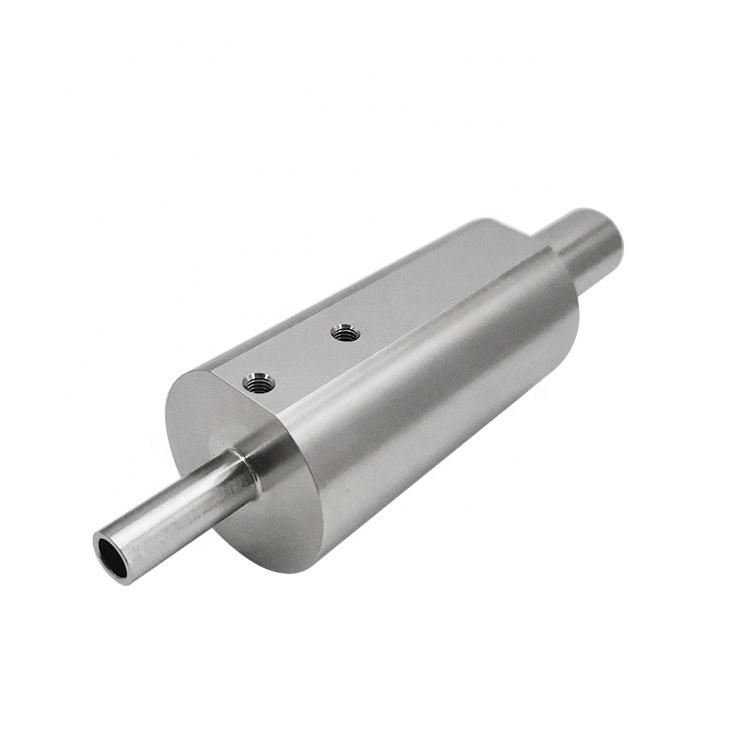
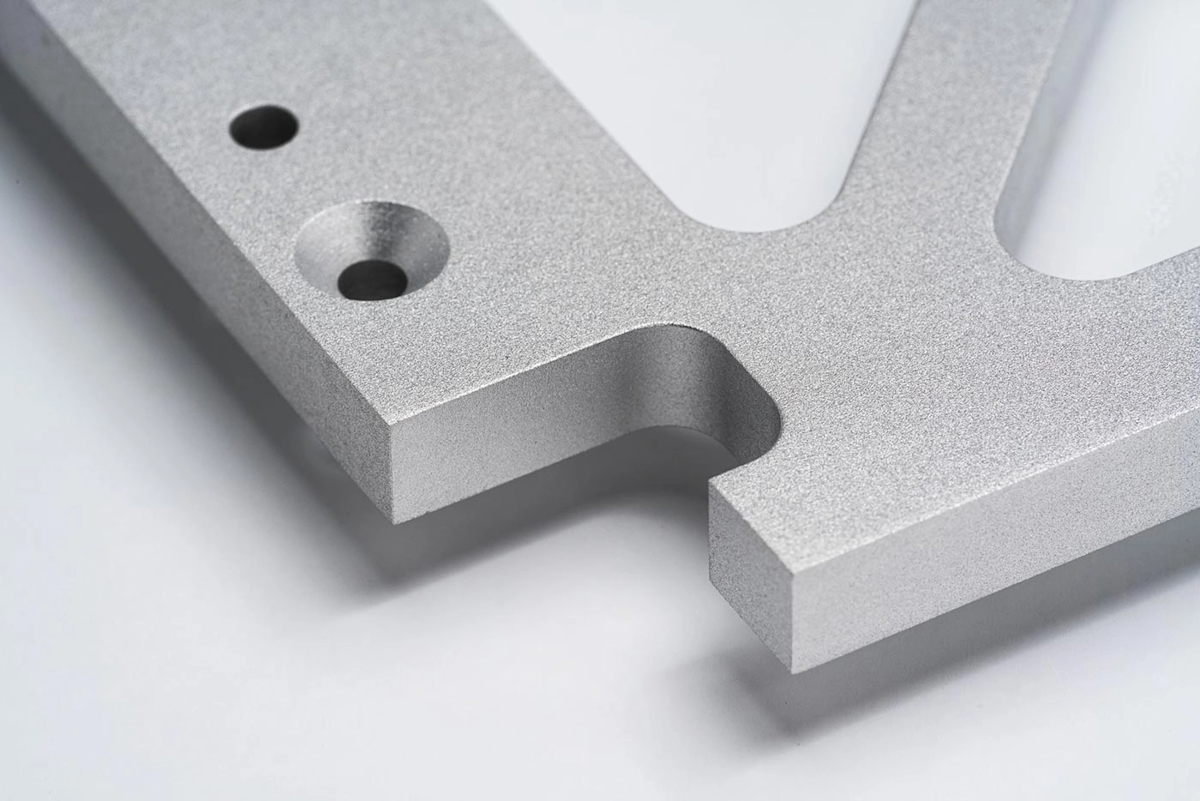
TUOWEI delivers precision CNC milling through a network of advanced facilities equipped with state-of-the-art technology. Our capabilities cover 3-axis, 4-axis, 5-axis, and right-angle milling, allowing us to handle everything from simple cuts to highly complex geometries with speed and accuracy.
We provide rapid turnaround, competitive pricing, and expert design-for-manufacturability support across metals, plastics, and composites. Whether you need prototypes or production parts, TUOWEI ensures quality, reliability, and transparent costs with no hidden fees on standard shipments.

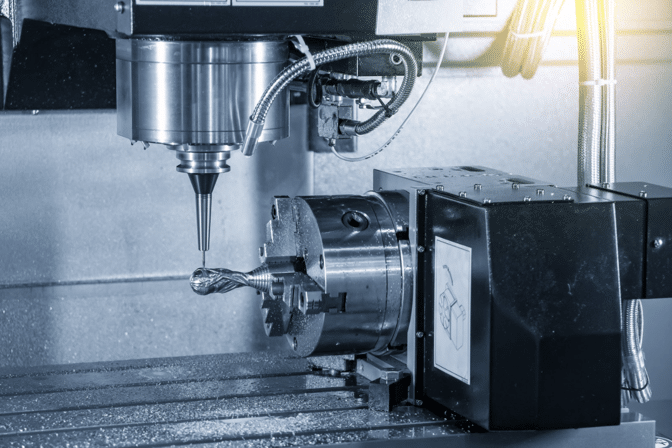
Controlled by G-Code generated through CAM software, CNC mills direct the cutting tool’s movements, speeds, depths, and feed rates to achieve the desired shape. Depending on the number of axes, the process can handle anything from simple profiles to complex geometries. Unlike CNC routers, which keep the workpiece fixed, CNC milling may move both the cutting head and the workpiece, offering greater versatility. This makes CNC milling a preferred solution for producing high-precision parts across industries.

At TUOWEI Precision, we transform straightforward 3-axis operations to advanced 5-axis projects, our services deliver unmatched accuracy, efficiency, and craftsmanship for custom parts of any complexity.
Our 3-axis CNC milling ensures affordable, precise production for simple geometries, maintaining excellent quality consistently.
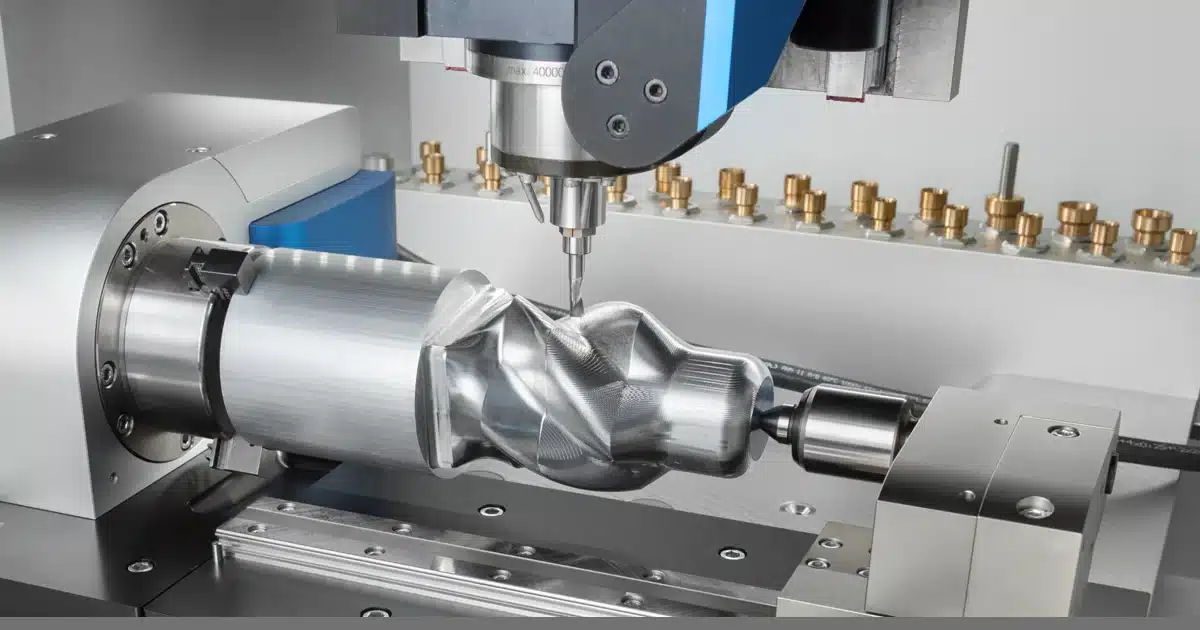
TUOWEI’s 4-axis milling enables versatile, multi-sided machining, simplifying production while delivering outstanding precision and flexibility.
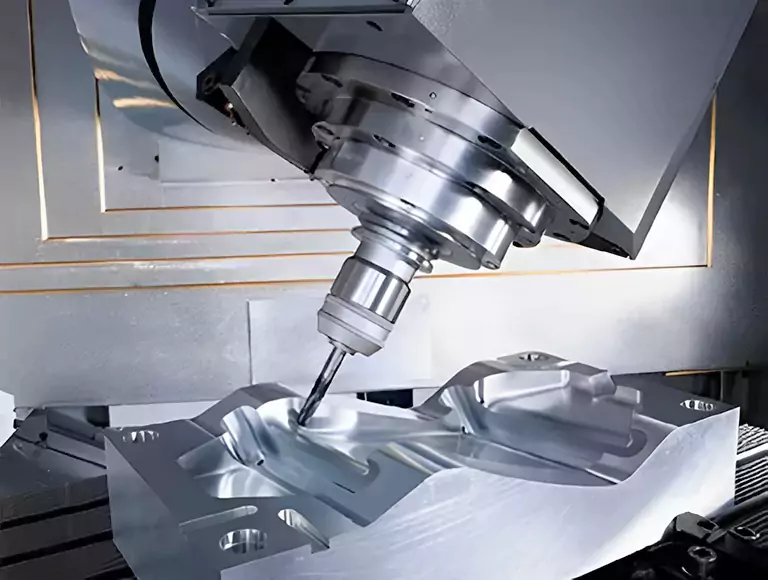
For intricate, complex designs, our 5-axis CNC milling achieves unmatched accuracy, handling challenging geometries easily.
TUOWEI Precision ensures accuracy with strict CNC milling tolerance standards, delivering consistent, high-quality parts every time. Our standard tolerances follow ISO 2768-m for metals and ISO 2768-c for plastics, guaranteeing reliable functionality and precise performance across all projects.
| CNC Milling Service | Tolerance |
|---|---|
| Standard CNC Milling | ±0.005" (±0.127 mm) |
| High-Precision CNC Milling | ±0.001" (±0.025 mm) |
| CNC Milling for Small Parts | ±0.002" (±0.051 mm) |
| CNC Milling for Large Parts | ±0.010" (±0.254 mm) |
| CNC Milling with Threading | ±0.005" (±0.127 mm) for external threads |
Maximize efficiency and precision with TUOWEI’s CNC milling guidelines, crafted to improve accuracy, performance, and manufacturability.
| Features | Recommended Size |
|---|---|
| Radii | Internal radii should be at least 1/3 of the cavity depth. Larger radii are preferred whenever possible. |
| Threads and Tapped Holes | Diameter Φ 1.5–5 mm: depth 3× diameter. Diameter Φ ≥5 mm: depth 4–6× diameter. Lewei Precision can produce threads of any specification and size per customer requirements. |
| Minimum Wall Thickness | Metals: 0.8 mm; Plastics: 1.5 mm. Thicker walls improve structural integrity. |
| Text | CNC Milling: minimum width 0.5 mm, depth 0.1 mm. Standard text can be created via CNC or laser engraving as required. |
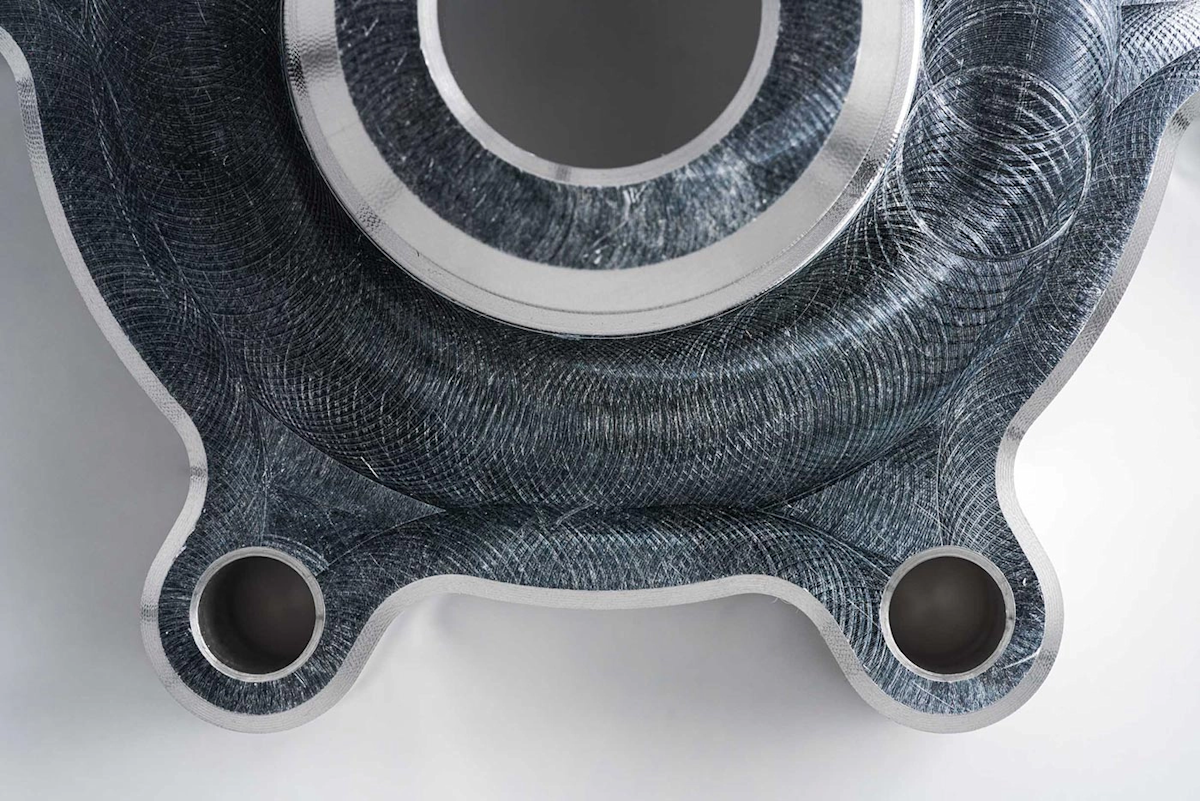
These are some surface finishing techniques that can be applied to ensure high-quality results:
Sanding smooths the surface, removing burrs and imperfections, while preparing the material for painting or coating.
Brushing involves using a rotating wire brush to create a uniform textured surface, often used for stainless steel or aluminum.
This technique uses electrical currents to polish metal surfaces, enhancing both the appearance and corrosion resistance of stainless steel components.
Chemical polishing removes surface irregularities using chemicals, offering a smooth finish on complex geometries that are difficult to reach mechanically.
Vibratory finishing involves placing parts in a vibrating container with abrasive media to smooth out rough surfaces, ideal for small and intricate parts.
Thermal spraying coats a surface with a layer of melted material, improving surface hardness, corrosion resistance, and wear resistance
Engineers and leading manufacturers trust TUOWEI for fast iterations and durable, high-performance parts. Whether for prototyping or full-scale production, our extensive material selection ensures precision, strength, and reliability for any CNC machining project.
Aluminum 5052
Aluminum 7075 & 7075-T6
Aluminum 6063-T5
Aluminum 7050-T7451
Aluminum MIC-6
Aluminum 6061-T6
Aluminum 2024-T3
Brass C360
Brass 260
EPT Copper C110
Copper 101
ABS
Acetal [Delrin]
Acrylic, G-10 Garolite
Nylon 6/6
PEEK, Polycarbonate
PTFE [Teflon]
Polypropylene
Ultra-High Molecular Weight Polyethylene
Alloy Steel 4130
Alloy Steel 4140
ASTM A36, Stainless Steel 15-5
Stainless Steel 17-4
Stainless Steel 18-8
Stainless Steel 303
Stainless Steel 304
Stainless Steel 316/316L
Stainless Steel 416, Stainles Steel 420
Steel 1018
Steel A36
Titanium Grade 2
Titanium 6Al-4V
Zinc Sheet Alloy 500
With Tuowei Precision’s CNC milling service, you’re not just investing in advanced machinery. You’re gaining the assurance of flawless precision, commitment to strict timelines, and the expertise of skilled professionals dedicated to meeting your needs.
Tuowei Precision’s ISO-certified CNC machining guarantees exceptional accuracy and quality. Every part is crafted for perfect fit and flawless performance, with rigorous quality control at each stage.
Stay on schedule with Tuowei Precision. Our state-of-the-art equipment and local workshops deliver rapid production to meet your tight deadlines.
Rely on our team for comprehensive CNC machining support. Our experts are available to optimize design efficiency and ensure top-quality results at every step.
从详细的原型到大批量生产,TUOWEI 是您值得信赖的精密 CNC 加工合作伙伴。今天就联系我们,迈出简化、高质量制造解决方案的第一步。.
At TUOWEI, the CNC milling process begins with understanding the client’s requirements. Our team of experts collaborates with clients to ensure that every detail of the design is accurate and feasible for manufacturing. Here’s a step-by-step breakdown of the process:
The process begins with a 3D CAD (Computer-Aided Design) model of the part or component. This model is shared with our team, where it is analyzed for manufacturability, ensuring that all tolerances and specifications are within achievable limits.
Once the design is finalized, our team uses advanced CAM (Computer-Aided Manufacturing) software to generate a tool path. This step ensures that the CNC machine knows the precise movements required to cut the material.
The material, whether it’s titanium, aluminum, or plastic, is securely placed in the CNC milling machine. Tuowei uses high-quality raw materials to ensure that every part meets the required mechanical properties and surface finish.
The CNC machine begins the milling operation. The cutting tools move along the designated axes (usually X, Y, and Z) to remove material from the workpiece. With our multi-axis CNC machines, we can achieve highly complex geometries in a single setup, reducing the need for rework or additional steps.
After machining, each part is thoroughly inspected for dimensional accuracy, surface finish, and overall quality. Our quality control team uses advanced measuring instruments like CMM (Coordinate Measuring Machines) to ensure each part meets precise specifications.
Depending on the requirements, additional processes like polishing, anodizing, or coating may be applied to achieve the final look and functionality of the part.
The precision of the CNC milling process ensures that even the most intricate parts are produced to tight tolerances, with accuracy levels typically within ±0.005 mm. This allows us to produce high-quality components that meet stringent industry standards.
TUOWEI invests in state-of-the-art CNC milling technology to ensure optimal performance and the highest quality results. Here are some of the key technologies used in our CNC milling services:
We use multi-axis CNC milling machines, including 3-axis, 4-axis, and 5-axis machines, to produce highly complex parts with intricate features. The 5-axis capability allows for greater flexibility, enabling us to work on more challenging geometries and reduce setup time.
Our high-speed spindles allow for faster cutting speeds and improved surface finishes. With speeds up to 40,000 RPM, we can efficiently machine materials, such as titanium and aluminum, with precision.
Live tooling allows us to perform multiple operations, such as drilling, tapping, and milling, without changing tools. This reduces cycle times and enhances productivity.
Our CNC machines are equipped with automated tool changers, ensuring smooth transitions between different tools, increasing operational efficiency and reducing machine downtime.
We use industry-leading CAD and CAM software to create tool paths and simulate the machining process. This ensures that every part is machined to perfection before the actual cutting begins.
TUOWEI understands the importance of high-quality, precision-driven CNC milling. Whether you’re working with metals like titanium and steel, or plastics like ABS and polycarbonate, we offer versatile solutions tailored to your specific needs. Contact us today to discuss your requirements and let us provide you with high-quality, fast, and accurate CNC milling services.
无论您是创建小批量定制零件,还是扩大规模进行大批量生产,拓威 Proto 服务都能为您提供所需的灵活性。.
数控快速原型加工是创建工程或生产原型的完美选择,这些原型在外观和功能上都与最终产品非常相似。在拓维,我们提供即时报价和快速交付,为您提供精确、高质量的 CNC 加工原型,以满足您的需求。.
小批量数控加工通常是新兴产品从原型设计到批量生产之间的桥梁。有了拓威,这一过程变得更加简单、高效和经济,使您能够在保持高质量标准的同时迅速扩大生产规模。.
数控生产加工是高效生产千件或更多零件的最佳解决方案。拓威利用多样化的材料选择、自动化和多轴加工能力,实现了大批量生产,具有公差小、尺寸精度高、可靠性高和周转时间短等特点。.
了解拓威团队的专业技巧、行业趋势和精密制造见解,保持领先地位。阅读我们的最新博客,获取有价值的知识,了解我们如何塑造数控生产的未来。.
什么是数控铣削中的刀具偏置?
在数控铣削中,刀具偏置是用于补偿切削刀具长度和直径的调整。这种校准可确保刀具精确地切削工件,防止出现尺寸误差。通过设置精确的偏置,机械师可以确定正确的加工起点,确保零件符合精确的规格要求。正确的刀具偏置对于在整个铣削过程中保持精度、一致性和高质量结果至关重要。.
数控铣削和数控镂铣有什么区别?
虽然两者都使用计算机控制切割,但用途不同。.
数控铣床:适用于金属和硬质材料的高精度加工,能够生产公差要求严格的复杂零件。.
数控刳刨机:专为木材、塑料和复合材料等较软材料设计。刳刨机的运行速度较快,更适合切割不需要超高精度的大型板材。.
简而言之,铣削优先考虑精度和复杂性,而镂铣则强调速度和大尺寸材料的处理。.
数控铣和数控车有什么区别?
数控铣削和车削都属于减法加工,但在操作上有所不同。.
数控铣削:工件保持静止,而切削工具在多个轴上移动,因此非常适合加工带有槽、轮廓和孔的复杂零件。.数控车削:工件旋转,而刀具固定不动,因此加工轴、螺栓和圆环等圆柱形部件更有效率。. 铣削最适合复杂形状,而车削则擅长快速高效地生产圆形零件。.
贵公司的数控铣削能力如何?
TUOWEI Precision 提供全面的数控铣削解决方案,可加工最大 4000 x 1500 x 600 毫米、最小 5 x 5 x 5 毫米的零件。我们可加工金属、塑料和复合材料,五轴项目的公差最小可达 ±0.01 毫米。简单零件的加工时间为 3-7 天,复杂几何形状的加工时间为 7-14 天。表面精加工、热处理和检验等附加服务可确保每个零件都符合最高标准。.
TUOWEI拥有哪些数控铣床?
在 TUOWEI Precision,我们使用全系列数控铣床,包括三轴、四轴和先进的五轴系统,以满足不同的项目要求。.