1. 首页
  2. »
  3. 行业
  4. »
  5. 机器人

机器人

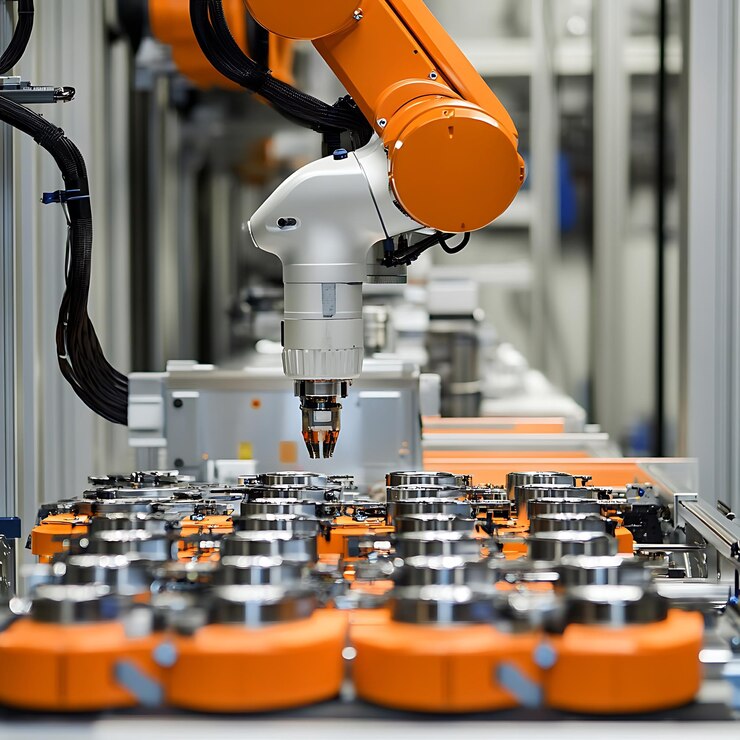
Enhance robotic efficiency with consistently high-quality components, built to deliver durability, precision, and performance for industrial and consumer robotics alike.

Robotics – Enhance Efficiency with Consistent, High-Speed Part Quality

In the robotics sector, TUOWEI Precision produces highly accurate mechanical parts and housings designed for performance and durability. Whether for industrial robotics, consumer robotics, or AI-driven systems, our expertise ensures consistent, high-speed quality in every part. By combining advanced prototyping, functional testing, and scalable production, we help robotics companies reduce downtime, enhance efficiency, and bring intelligent systems to market faster. TUOWEI is where innovation meets manufacturing precision.

最先进的设施

我们的尖端设施配备了最新的技术和基础设施,以推动各方面的创新和卓越。.

精密加工中心
高科技设备,可进行精确、高效的数控制造。.
数控生产车间
专用空间采用最先进的数控技术进行简化生产。.
先进数控制造中心
配备有复杂的数控组件制造和装配设备的集中设施。.
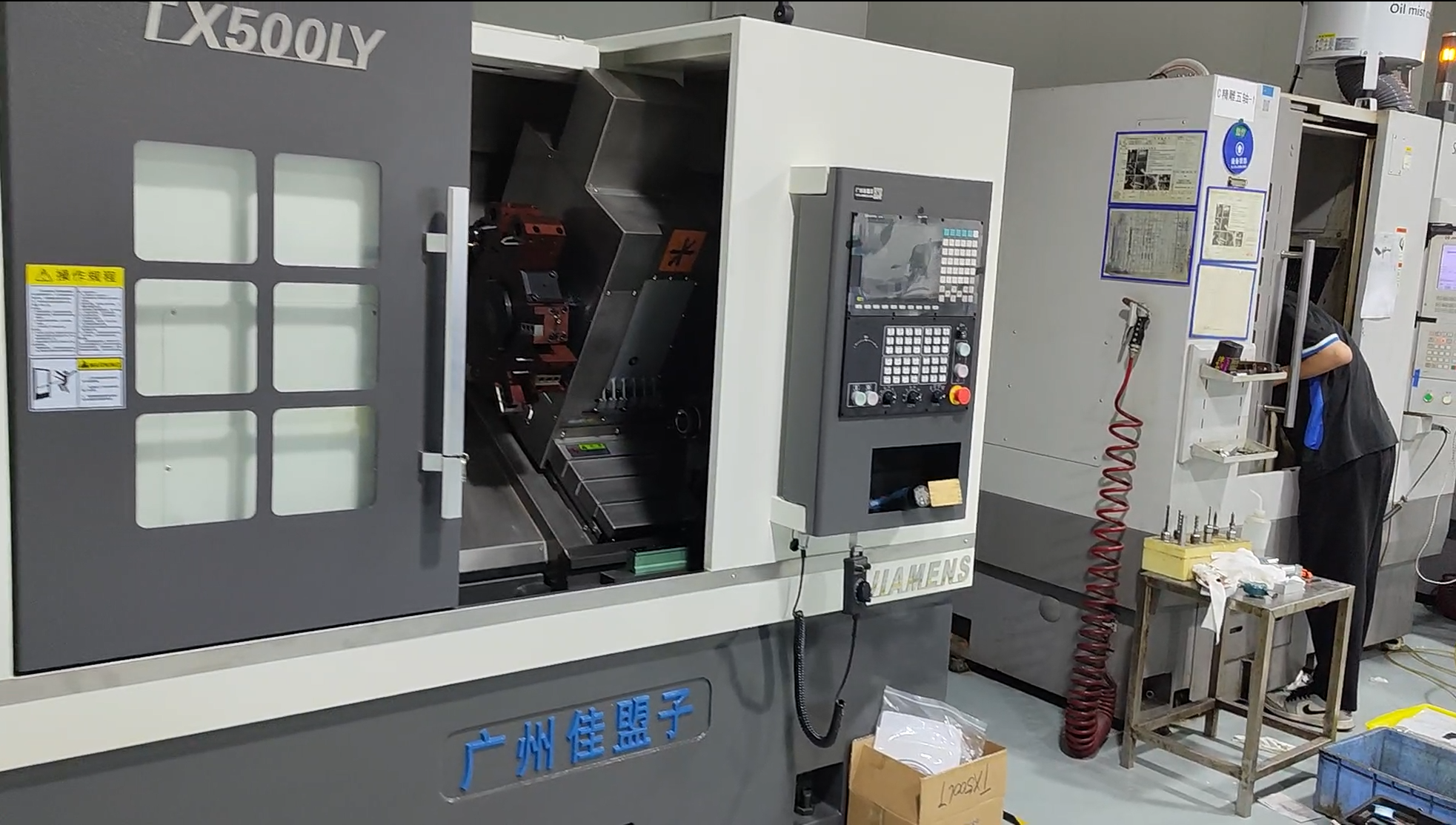
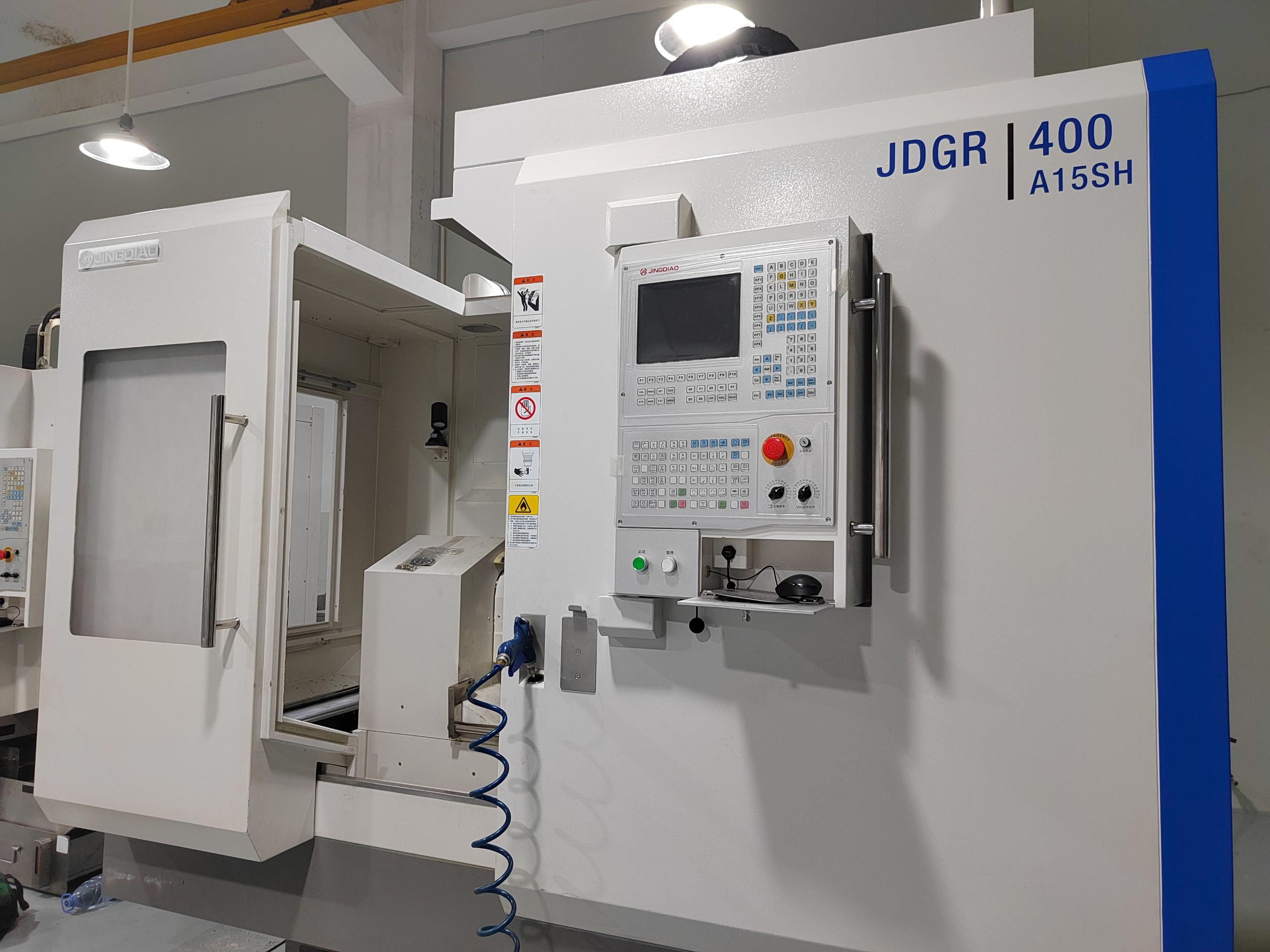
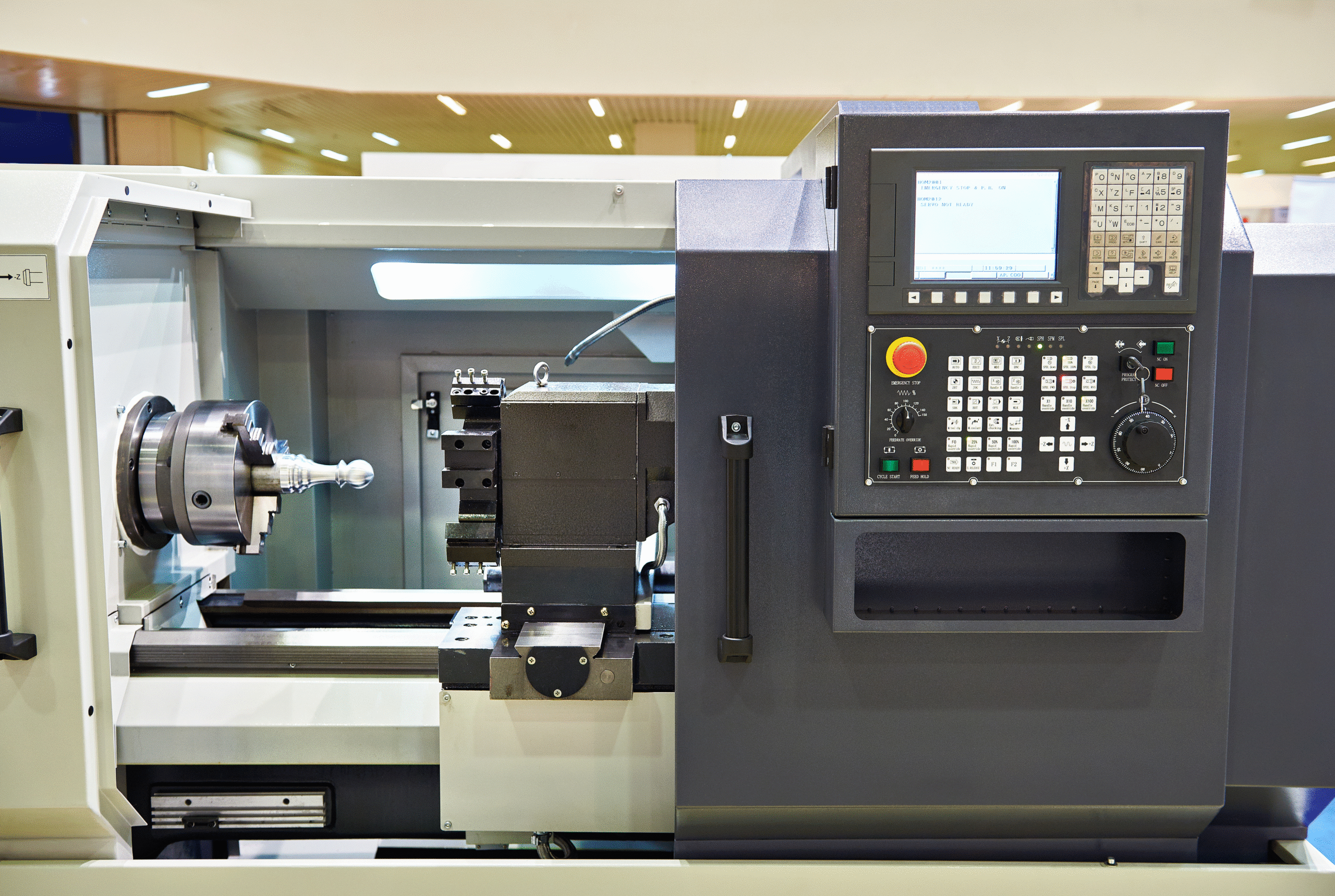
拓维精密的高科技数控机床可为各行各业高效生产公差要求严格的高品质复杂零件。.
自动化加工设备
全自动车间可进行精确、快速的数控加工操作。.
多台数控机床在拓维精密的车间内运行,彰显了精密加工和制造所采用的先进技术。.
高性能数控车间
动态空间经过优化,可提供顶级数控加工性能。.
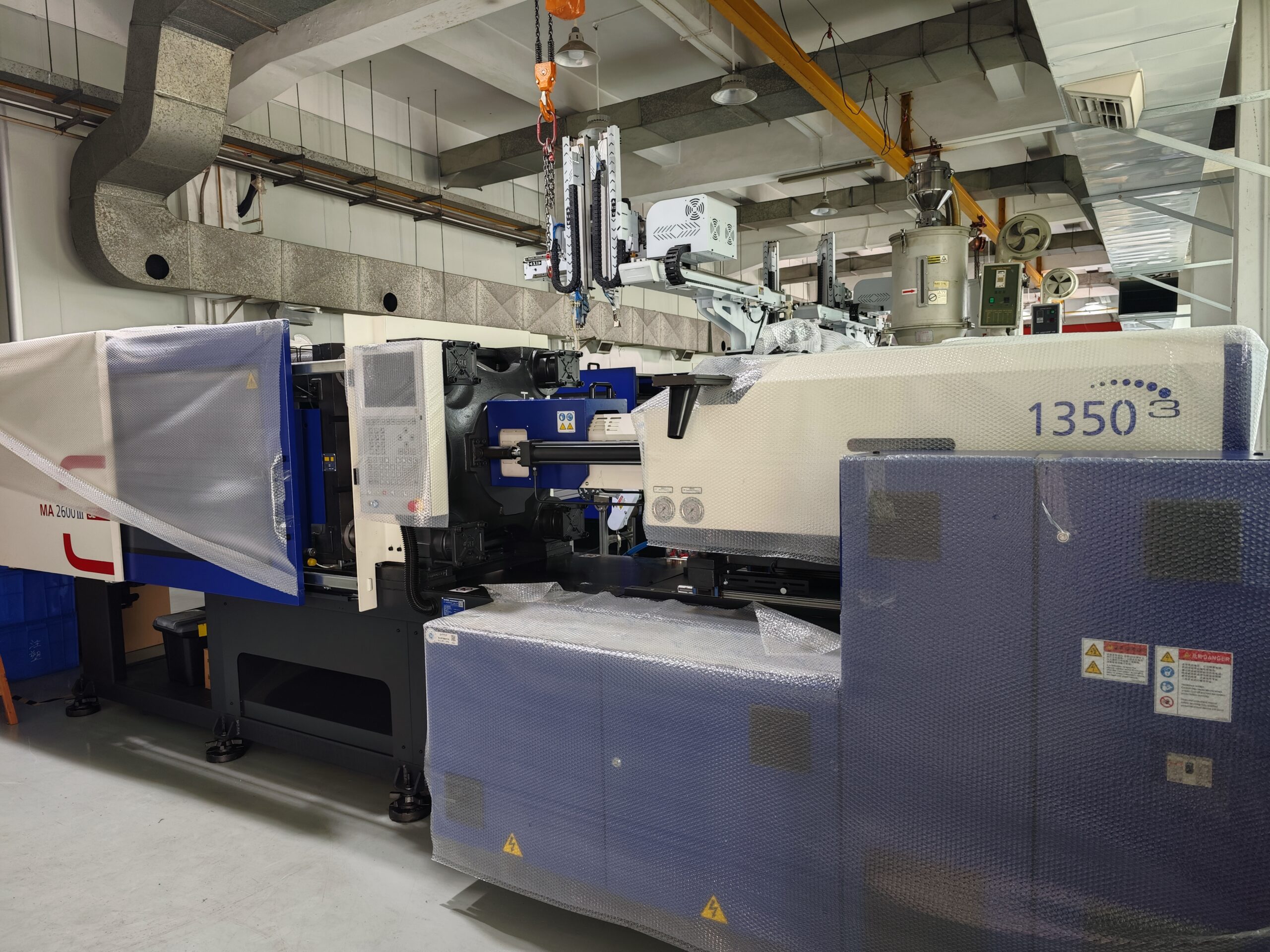
综合 CNC 生产厂
综合设施集成了 CNC 流程,实现了无缝制造工作流程。.
01

原型设计

Bring early-stage medical or robotics designs to life with high-quality prototypes crafted from production-grade materials. TUOWEI ensures your models are functional, accurate, and ready for testing.

02

工程验证和测试

Refine your prototypes with rigorous testing to meet demanding performance standards. TUOWEI’s accurate models mirror the final product, helping you detect issues and optimize designs efficiently.

03

设计验证和测试

Validate both performance and aesthetics before scaling. TUOWEI offers in-depth feedback, ensuring your prototypes are production-ready while saving time and resources.

04

生产验证和测试

Prepare designs for full-scale production with TUOWEI’s advanced QC and production-grade methods. This stage finalizes refinements, manufacturability, and efficiency for smooth mass production.

05

大规模生产

Seamlessly move into large-scale production with TUOWEI’s advanced manufacturing systems. We ensure high-quality components, fast delivery, and consistent compliance with your standards.

Robotics Parts We Deliver

We manufacture high-precision components for advanced robotics applications, including:

Robotic arm segments
Joint housings
Gear and drive components
End effector frames
Sensor brackets
Motor mounts
Actuator housings
Structural frames
Connector plates
Control unit enclosures

Materials for Robotics Parts

我们提供广泛的材料选择,满足从原型设计到全面生产的各种需求。有 30 多种金属合金和数百种高性能塑料可供选择。.

Materials for Robotics

Choose from over 30 metal alloys and hundreds of high-performance plastics at CNC TUOWEI:

  • Steel & Stainless Steel: 301, 316/316L, 15-5, Tool Steels, 4140
  • Aluminum: 6061-T6, 7075-T6, 5052, 2024-T351
  • Brass & Copper Alloys: C360, Copper C110, Copper C101
  • Thermoplastics: PC, ABS, PLA, PEEK, Ultem 1010, PA 12
  • Commodity Polymers: HDPE, UHMW-PE, Garolite G-10, FR4

Surface Finishes for Robotics

Enhance durability and performance with our comprehensive range of surface finishes:

  • 阳极氧化
  • As Machined
  • 抛珠
  • 黑色氧化物
  • Electropolishing
  • Electroless Nickel Plating
  • Chromate Conversion Coating
  • Fine Machining
  • 粉末涂层
  • 抛光
  • Smooth Machining
让我们共创未来

与杜维合作,塑造您的愿景

从快速原型设计到规模化生产,拓维精密凭借其可靠的数控加工和制造服务为您的项目提供帮助。我们的团队与您通力合作,确保在各个层面上的准确性、一致性和顺利执行。.

现在就开始实施您的项目,与拓威一起迈出高效、高质量生产的第一步。.

与我们联系!
保证在 12 小时内迅速回复
🔐 所有上传内容均安全保密

客户评价

了解企业信赖杜威的原因。我们的客户看重我们的精度、效率和可靠性,我们提供的无缝制造解决方案始终超出预期。了解他们使用我们服务的经验和成功案例。.

值得信赖的行业专业知识

凭借生产数百万精密零件的良好记录,拓维 Proto 信心十足地服务于各行各业。我们的团队擅长于生产复杂、公差要求高的零件,并保持稳定的一致性和性能。从具有挑战性的几何形状到苛刻的标准,我们拥有丰富的知识、工具和精度,能够满足您的行业确切需求。.

What Parts of Robots Are Manufactured Using CNC Machining?

Robots are made up of multiple precision components, each requiring high accuracy and durability. CNC machining ensures that every part, big or small, meets tight tolerances while maintaining strength and functionality.

Actuator and Motor Housings

"(《世界人权宣言》) actuator and motor housings form the backbone of robotic movement. CNC machining provides the precision required for compact yet durable housings that protect motors from dust, heat, and vibration. This ensures reliability in both industrial and service robots.

Robotic Arms and Joints

Robotic arms need smooth motion and high load capacity. CNC machining delivers strong yet lightweight arms and joint components. These parts must maintain dimensional accuracy to allow repeatable movement in automation and assembly tasks.

Gears, Shafts, and Bearings

Gears and shafts are essential for power transmission and mobility. With CNC turning and milling, manufacturers can produce gears and shafts with micron-level tolerances. This precision ensures minimal friction, longer service life, and smoother robotic performance.

Sensor Mounts and Casings

Robots rely heavily on sensors for navigation, vision, and safety. CNC machining produces highly accurate mounts and casings, ensuring sensors are positioned correctly for accurate readings. This is critical in autonomous and medical robotics.

End Effectors and Grippers

End effectors such as grippers, cutters, or welding tools, are where robots interact with the external environment. CNC machining enables full customization of these parts for different industries, whether handling delicate surgical tools or lifting heavy automotive parts.

Chassis and Structural Frames

The structural frame supports the entire robot. CNC-machined aluminum and titanium frames provide the perfect balance between lightweight design and structural rigidity, allowing robots to operate safely in demanding conditions.

Which Technologies Are Used in CNC Machining for Robotics?

Producing robotic components requires a combination of advanced CNC technologies to achieve the complexity, precision, and consistency demanded by the industry.

5-Axis CNC Machining

Robotic components often involve 复杂几何 that cannot be made with standard machines. 5-axis CNC machining allows simultaneous movement along five axes, making it possible to produce intricate joints, housings, and gears in a single setup.

CNC Turning and Milling

Cylindrical parts like shafts, pins, and fasteners are manufactured using CNC turning. Meanwhile, CNC milling creates prismatic parts such as brackets and frames. These processes ensure smooth finishes and accurate dimensions.

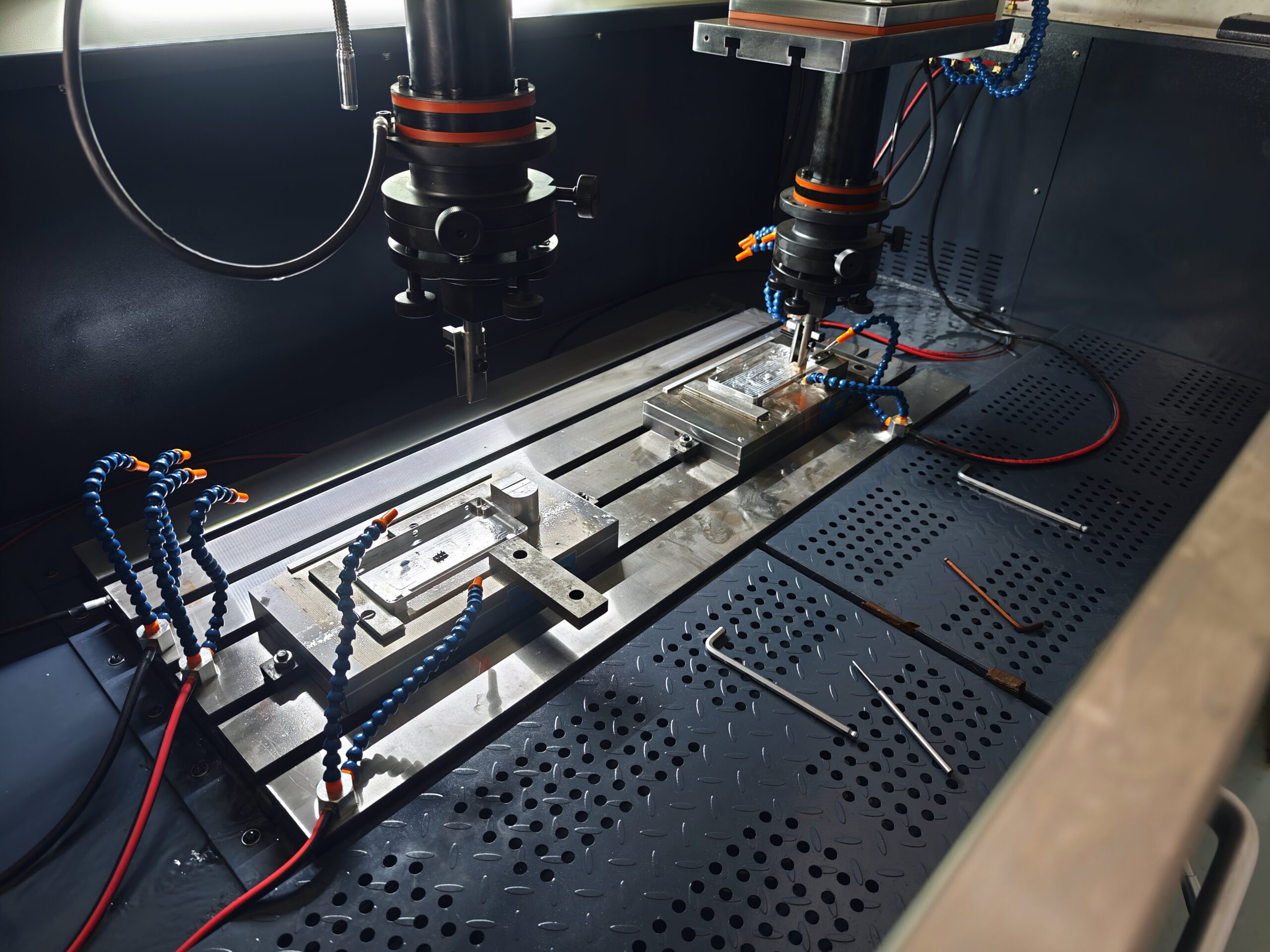
EDM (Electrical Discharge Machining)

For parts that require micro-scale precision and sharp internal corners, EDM is essential. It is widely used for robotic sensors, end effectors, and miniaturized components in surgical or research robots.

Surface Finishing Techniques

Robotics requires both functionality and durability. CNC components undergo anodizing, polishing, powder coating, or heat treatments to ensure corrosion resistance, wear resistance, and attractive finishes.

Advanced Material Expertise

Robotics demands a wide range of materials, from aluminum and titanium for lightweight structures to stainless steel and engineering plastics for durability. CNC machines can handle this variety while maintaining precision and consistency.

What Are The Challenges in Robotics?

The robotics industry is one of the fastest-growing sectors, projected to exceed $165 billion globally by 2030. However, with innovation comes a range of challenges in design, manufacturing, and scalability. CNC machining plays a critical role in addressing these issues, offering precision, flexibility, and speed that other methods cannot match.

Miniaturization of Robotic Components

Robotics is moving toward smaller, smarter, and more compact designs, especially in areas like medical robotics, consumer electronics, and micro-automation. Miniaturized sensors, gears, and actuators require extremely fine details that are difficult to achieve with conventional manufacturing.

Achieving the Right Strength-to-Weight Ratio

Robots must balance durability with efficiency. Heavy robots consume more energy, reducing battery life and agility, while weak components risk failure under stress. Finding this balance is one of the toughest engineering challenges in robotics.

Rapid Prototyping for Innovation

The robotics industry evolves at a rapid pace, with constant design changes and emerging technologies such as AI-driven robots and autonomous systems. Traditional manufacturing methods cannot keep up with the speed required for innovation.

Precision and Repeatability in Parts Manufacturing

Robotics requires extreme accuracy and repeatability. A minor error in gears, shafts, or actuators can cause misalignment, jerky movement, or even complete failure. Maintaining consistency across thousands of components is a significant challenge.

Balancing Cost with Scalability

Robotics companies often need both custom one-off parts for prototypeslarge-scale production runs for commercial robots. Balancing cost-efficiency with scalability is a constant challenge.

探索洞察与创新

随时了解拓维精工的真实数控加工、行业趋势和生产见解,安装拓维精工是为了让您做出更好的生产决策。.

常见问题

机器人

  • 您能制造哪些类型的机器人零件?

    我们生产金属和塑料结构臂、接头、支架、电机支架、齿轮箱、传感器外壳和末端执行器。. 

  • 您能处理机器人组件的严格公差吗?

    是的。我们的常规加工公差小至 ±0.01 毫米,并在需要时提供完整的检验报告。. 

  • 您支持早期原型开发吗?

    当然。我们专门帮助初创企业和研发团队使用数控加工或 3D 打印技术快速制作原型。. 

  • 您是否为机器人零件提供表面精加工?

    是的。我们为工业和医疗应用提供阳极氧化、喷砂、黑色氧化、电抛光和其他表面处理。. 

  • 您能以多快的速度交付机器人零件?

    标准交货期为 5-10 个工作日。可根据零件的复杂程度安排加急订单。. 

  • 您是否提供设计支持?

    是的。我们的工程团队提供 DFM 指导,以优化您的设计,实现精密制造。.

与我们联系!
保证在 12 小时内迅速回复
🔐 所有上传内容均安全保密